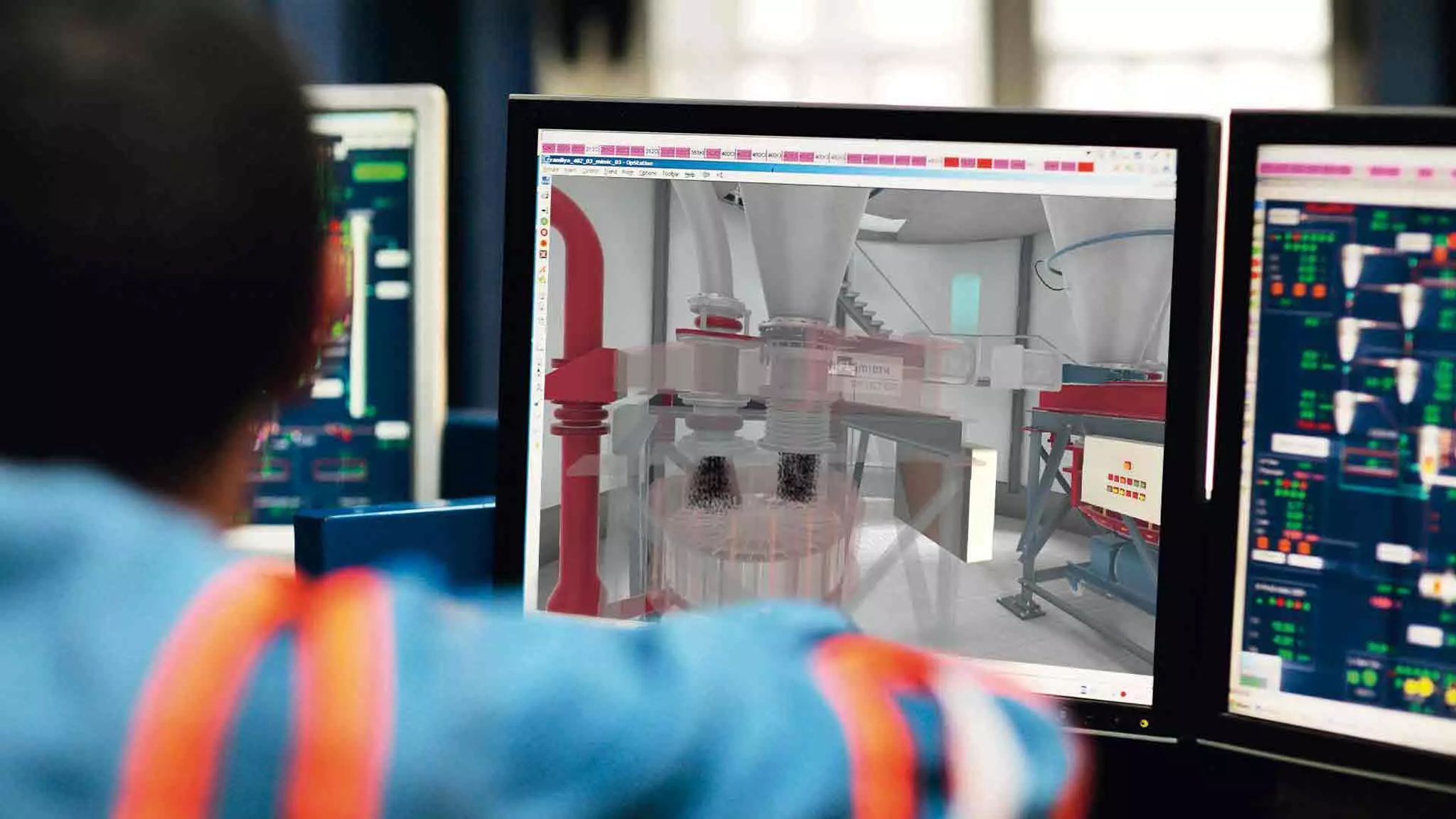
The gap between a rotor weighfeeder's rotor and its sealing plates is measured in fractions of a millimeter. The consequences of getting that gap wrong, however, are measured in hours of lost production and repair costs. For decades, gap measurement and adjustment on the PFISTER DRW rotor weighfeeder has required a machine stoppage - a process that is time-consuming. By the time an operator can stop the machine (at annual shutdown usually) and manually adjust, the damage may already be done.
The Pfister AutoGAP 2.1 changes this equation. More than an add-on, it is a productivity upgrade for the entire feeding system - replacing manual guesswork with continuous, sensor-driven control that adjusts the gap during operation. No stoppage required. The result is a feeder that protects itself, maintains dosing accuracy, and keeps your kiln running reliably.
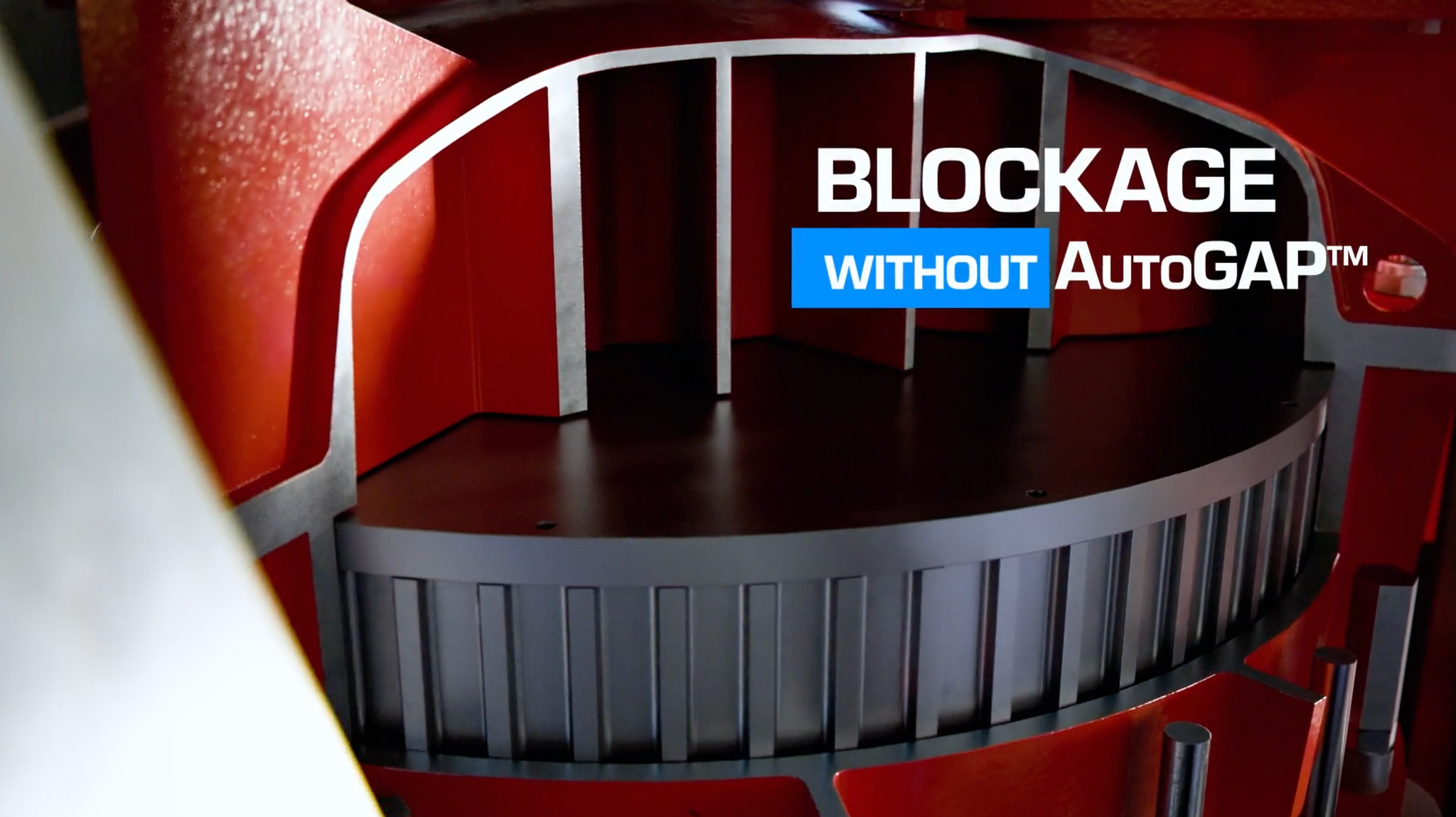
Possible blockage without AutoGAP
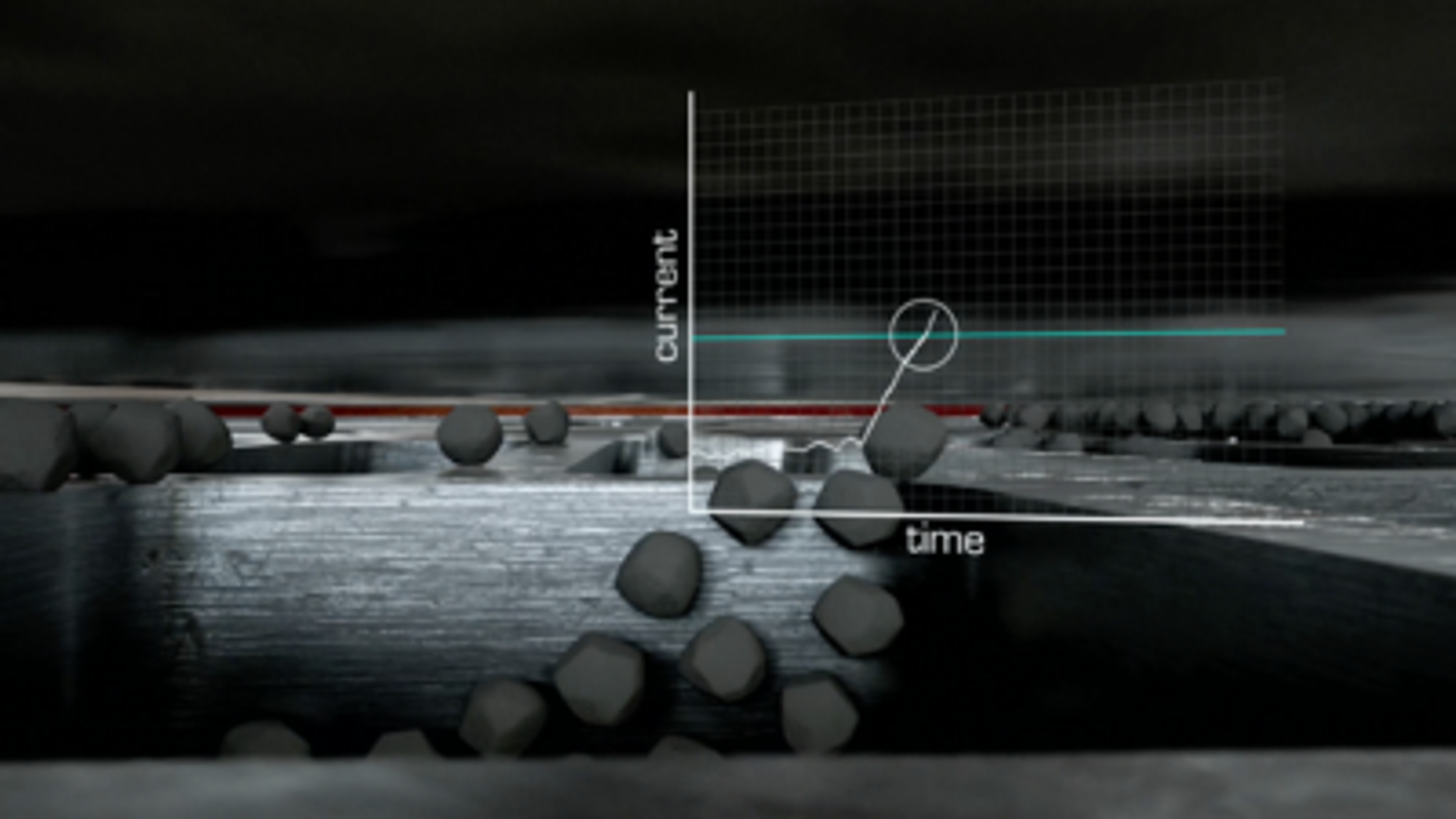
Mind the gap and prevent shutdowns
A gap that is too wide doesn't trigger an alarm - it erodes performance quietly. Fine material dust escapes the main flow path, passing unmeasured between rotor and sealing plate. Dosing accuracy drifts. Abrasive dust accelerates wear on internal components. The costs accumulate until they become impossible to ignore - and the problem intensifies as plants increase their alternative fuel substitution rates, where tighter dosing control is essential for kiln stability.
Quick open blockage prevention
The system monitors motor current continuously. When a sudden increase signals a foreign object or density spike, the quick open function widens the gap immediately, allowing the obstruction to pass through without stopping the feeder. Once cleared, AutoGAP™ automatically returns to the set operating position. In the worst case, this prevents damage to the sealing plates — the kind of repair that takes a feeder out for at least one day to replace the worn out parts.
Consequences of sub-optimal gap widths
The upper gap between rotor and sealing plate has a narrow operating window. Deviate - and costs follow. Maintaining the upper gap in the right way is the most important task for top performance of your DRW rotor weighfeeder.
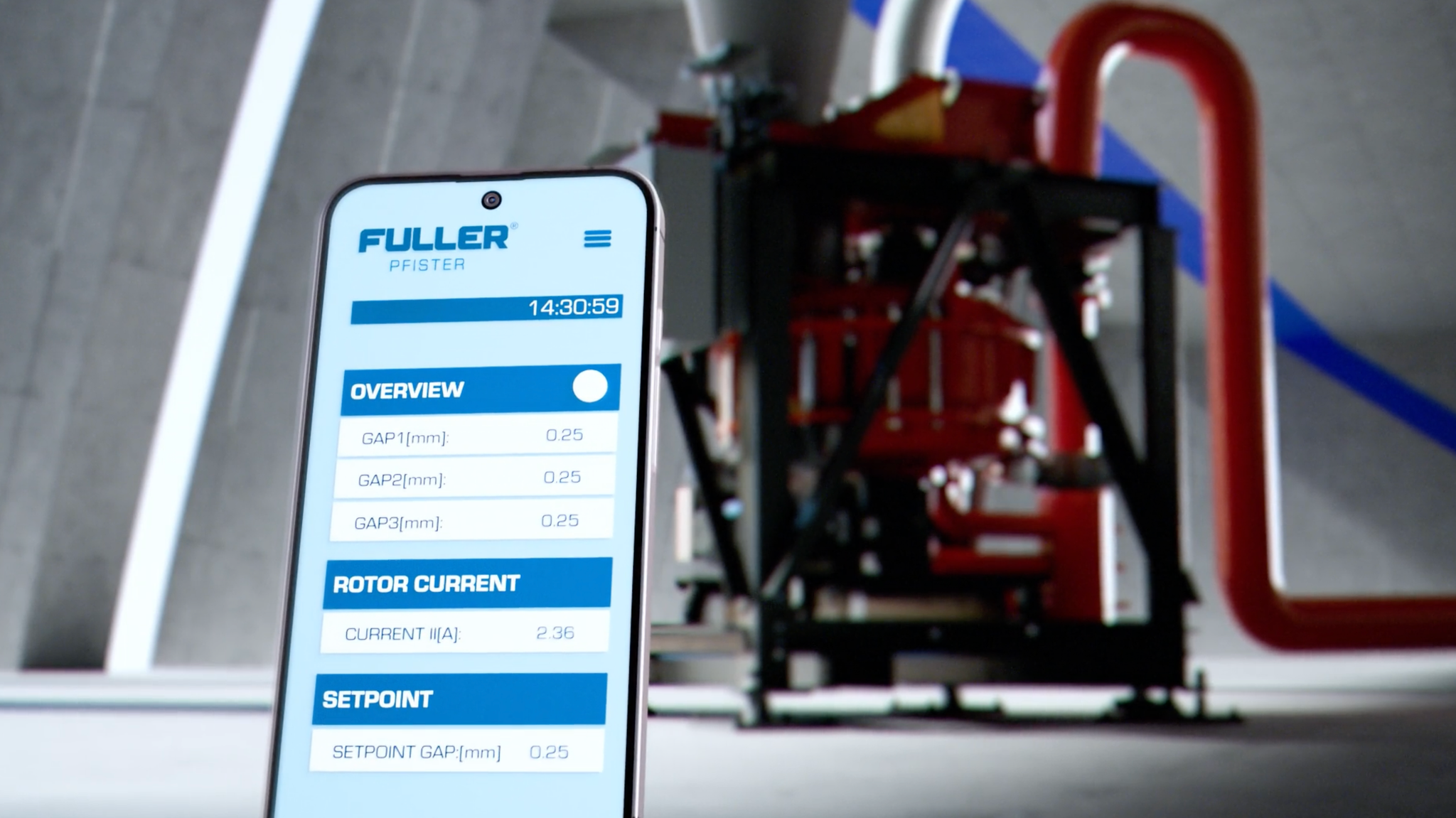
Optional WIFI Dashboard
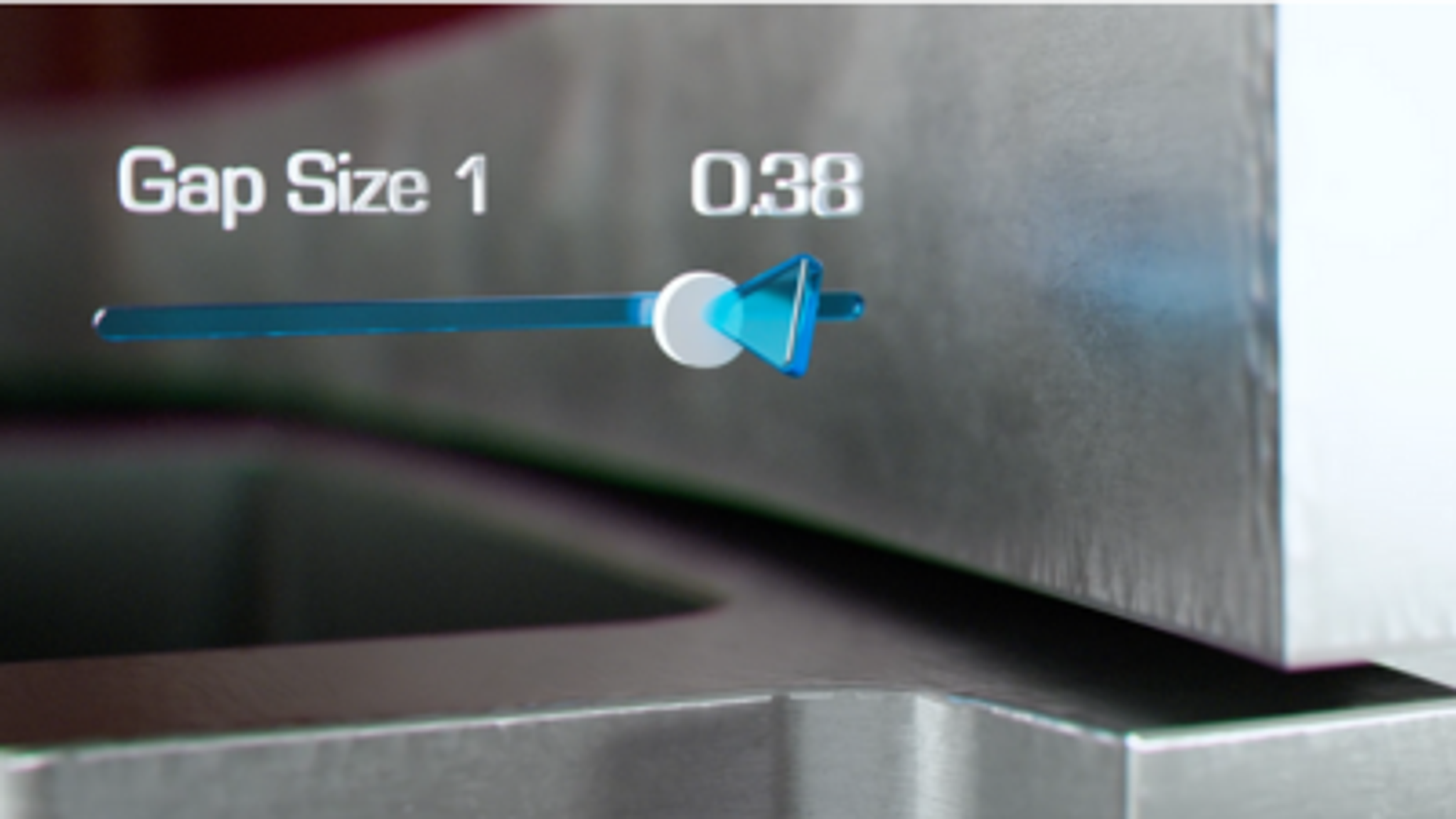
Upper GAP setting
Precision feeding - proven in the field
AutoGAP™ 2.1 is engineered by the same skilled team that designed the PFISTER® DRW rotor weighfeeder - and built to integrate with existing DRW installations, including feeders that have been in operation for over two decades. Plants that upgrade report extended operation hours, reduced wear, and less manual intervention to maintain target accuracy.
As plants move toward higher alternative fuel substitution rates and tighter emissions targets, the margin for dosing error shrinks. Equipment that monitors, adapts, and protects itself during operation is no longer a luxury - it is becoming the operational baseline. Plants that invest in this capability now will run with fewer interruptions, lower maintenance costs, and longer equipment life.
- Aykut Aydin, Mechanical Maintenance Manager, Medcem
Downloads
PFISTER® DRW Upgrades and Services
A comprehensive brochure of upgrades and services offered for DRW rotor weighfeeders, including PFISTER Smart Aeration, FEEDFlex™ and Wear Index.
10.07.2026 |
6.54 MB |
English
Related Offerings