Abundant resources. Significant clinker reduction. Lower costs. With 56% of cement's CO₂ tied to limestone calcination in clinker production, reducing the clinker factor is the single biggest lever for emissions reduction. As a supplementary cementitious material (SCM), calcined clay can replace up to 40% of clinker - driving high-quality, low-carbon cement at lower cost. It's effective. It's sustainable. And it's available worldwide.
But unlocking that potential at industrial scale is not straightforward. It demands precise thermal activation technology, reliable color control, and deep process expertise - and the margin for error is thin.
That's where Fuller comes in. With proven flash calcination technology, reliable color control, and a comprehensive lab-to-plant pathway backed by long-term service expertise, we give cement producers the confidence to invest - and the results to prove it. We're not planning for scale. We're already there - and just getting started.
The Challenge
CALCINATION ComplexityCONTROLLED
Why is industrial-scale clay calcination still rare, given its proven benefits? Because most producers face a web of interconnected challenges: clay variability from deposit to deposit, color control that makes or breaks market acceptance, energy efficiency that determines your business case, and emission limits that vary by region. Get any one wrong, and the project stalls.
Controlled calcination for Fuller means an integrated calciner system where every component - from dryer crusher to cooling cyclones - is engineered to work together. Consistent activation. Permanent color control. Maximum heat recuperation. Reliable strength development. Full regulatory compliance.
It also means providing a clear pathway from initial clay testing through to full-scale production - whether you're evaluating calcined clay for the first time or ready to commission your plant.
Whatever your starting point, we've built the system - and the expertise - to make it work.
Color Variation
Greymax™ Control
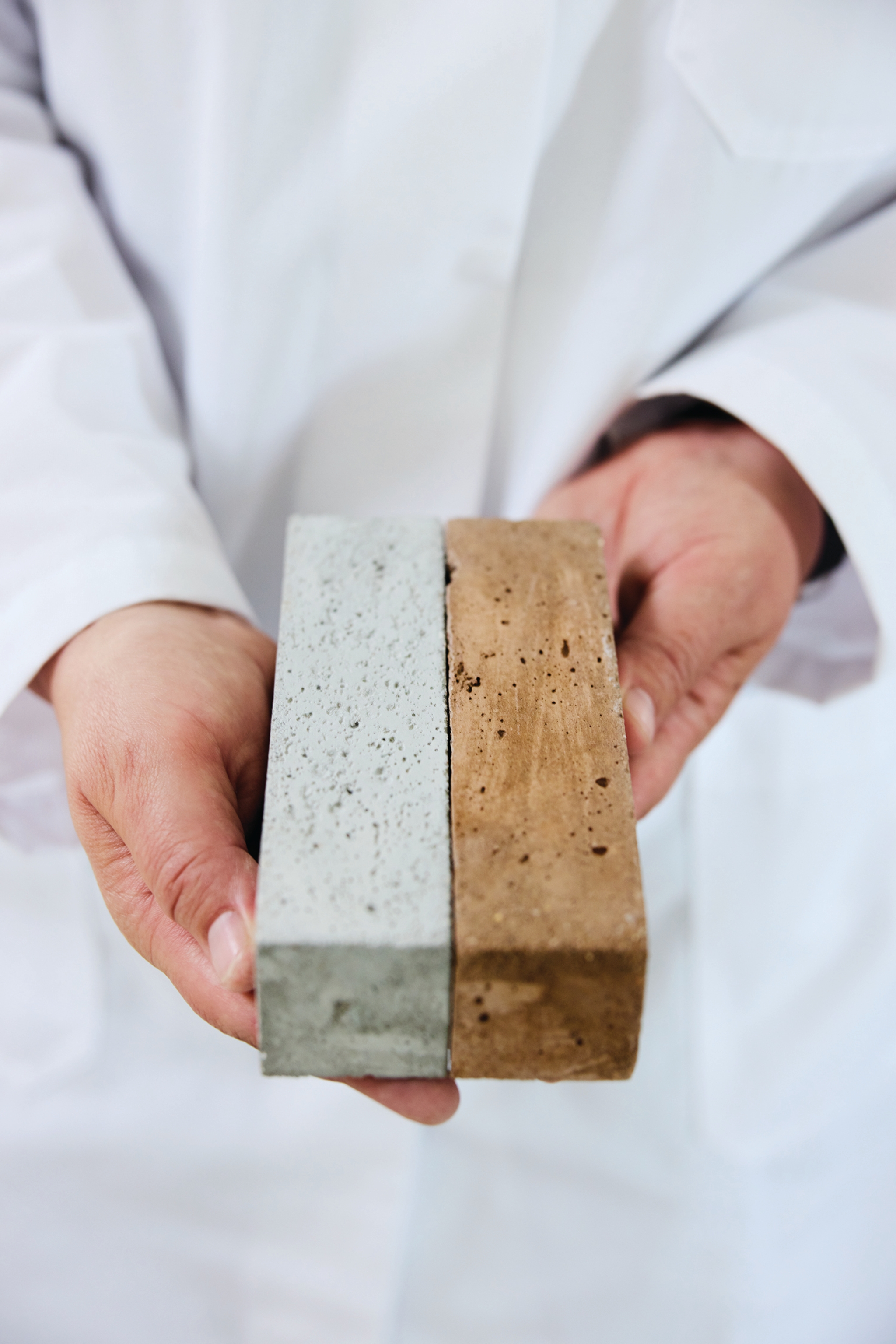
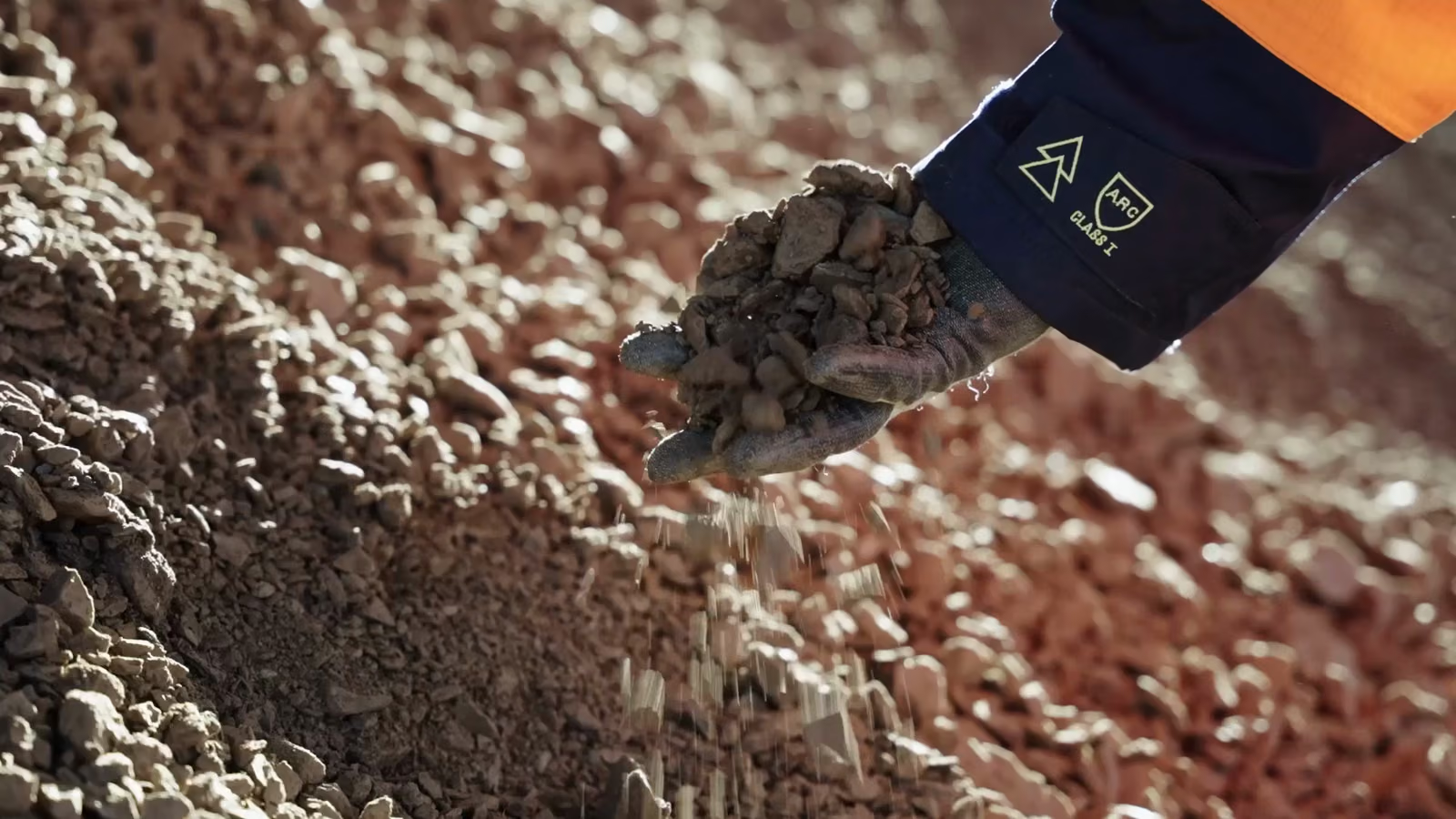
Calcined clay typically turns red due to iron oxidation - a dealbreaker for market acceptance. Our patented Greymax™ process delivers permanent cement-grey color, regardless of iron content.
Energy Costs
Heat Recuperation
Traditional cooling wastes energy - or compromises color with water quenching. Our patented air-quench cooling recovers heat efficiently while preserving product color, cutting total energy costs up to 50% of clinker production. No compromises. Just results.
Clay Variability
Test Before You Invest
Not every clay deposit is viable - and discovering that after committing capital is a costly mistake. At our Dania laboratory and pilot plant, we confirm suitability before you invest - from raw material evaluation to pilot-scale production. Confidence first, then capital.
Emissions Compliance
Proven Abatement
Strict emission limits shouldn’t stand in your way. Our proven expertise helps you predict emissions with precision and design the right solution to ensure full compliance with even the strictest regulations.
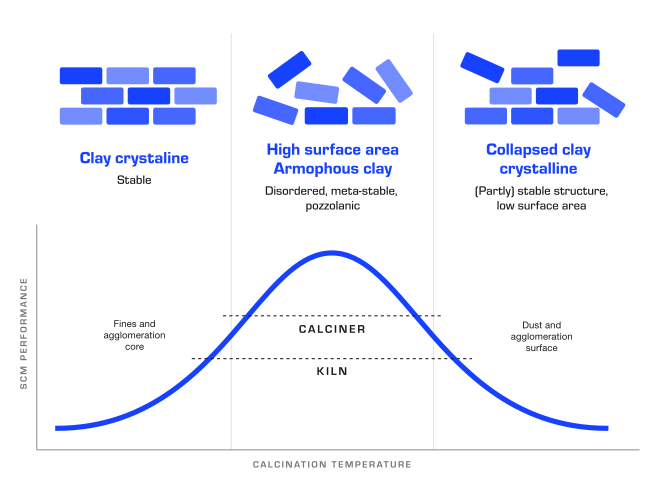
Our clay calciner design is based on years of research and development, backed by extensive process expertise to optimize clinker substitution while maintaining cement quality. The key: heating clay to its activation temperature destroys the crystalline structure, creating an amorphous, highly pozzolanic material with high surface area - ideal for clinker replacement. Our system is engineered to hit that activation window precisely, every time. The result: a highly consistent product that enables higher clinker substitution rates than kiln-produced alternatives.
The process begins with the dryer crusher, specially designed for clays with up to 40% moisture content. Using hot waste gases from the preheater, it dries and crushes in one operation. Material then enters the 2-stage preheater/calciner, where clay is activated under tightly controlled conditions - delivering consistent product quality and reliable emission control. After calcination, the clay passes through a dedicated reducing zone where red hematite is converted to grey magnetite, then through cooling cyclones where our patented air-quench process locks in the cement-grey color permanently while recovering heat back into the system.
Click on the blue dots in the graphic below to explore the calciner system.
Fresh Clay Feed
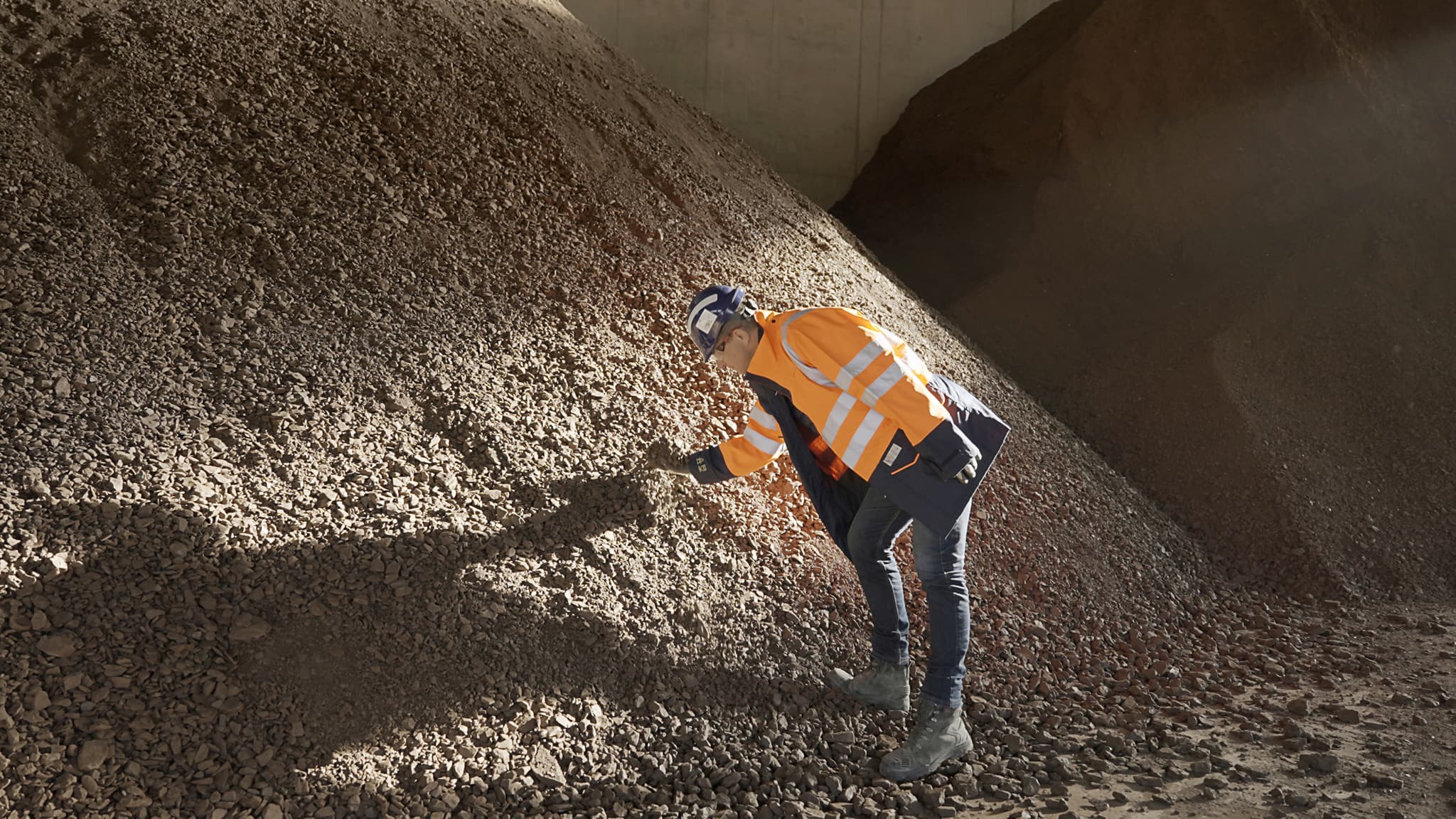
The system accepts a wide range of clay types and mineralogies with up to 40% moisture content - providing flexibility to source from local deposits. Clay availability worldwide is one of calcined clay's strongest advantages over traditional SCMs.
Preheater Cyclones:
2-stage preheater/calciner where clay is activated under tightly controlled conditions. A cyclone at the calciner outlet separates gas and material. Tight process control delivers consistent activation - resulting in uniform product quality and reliable emission control.
Fuel Input
Any traditional fuel type used in a clinker system – as well as most waste and alternative fuels - can be fired in the calciner, reducing both carbon footprint and operating costs.
Reducing Zone
Our patented Greymax™ process transforms red hematite to grey magnetite in a dedicated reducing zone. Oxidizing flash-cooling in the next stage locks in the cement-grey color permanently - a two-step process proven with high-iron and non-kaolinitic clays.
Calcined Clay Product
Highly reactive, amorphous calcined clay with high surface area - ideal for clinker replacement. Because the flash calciner delivers a more consistent product than a kiln, it enables higher substitution rates: up to 40% (or more) clinker replacement while maintaining cement quality.
Dryer Crusher
Specially designed for clays with up to 40% moisture content. Hot waste gases from the preheater dry and crush in one integrated operation, reducing energy consumption from the start.
Cooling Cyclones
Patented atmospheric air-quench cooling serves a dual purpose: it locks in the grey color from the reducing zone while maximizing heat recovery by preheating combustion air for the calciner. The result – cutting energy costs up to 50% compared to clinker production, with no compromise on color.
Fresh Clay Feed
The system accepts a wide range of clay types and mineralogies with up to 40% moisture content - providing flexibility to source from local deposits. Clay availability worldwide is one of calcined clay's strongest advantages over traditional SCMs.
Preheater Cyclones:
2-stage preheater/calciner where clay is activated under tightly controlled conditions. A cyclone at the calciner outlet separates gas and material. Tight process control delivers consistent activation - resulting in uniform product quality and reliable emission control.
Fuel Input
Any traditional fuel type used in a clinker system – as well as most waste and alternative fuels - can be fired in the calciner, reducing both carbon footprint and operating costs.
Reducing Zone
Our patented Greymax™ process transforms red hematite to grey magnetite in a dedicated reducing zone. Oxidizing flash-cooling in the next stage locks in the cement-grey color permanently - a two-step process proven with high-iron and non-kaolinitic clays.
Calcined Clay Product
Highly reactive, amorphous calcined clay with high surface area - ideal for clinker replacement. Because the flash calciner delivers a more consistent product than a kiln, it enables higher substitution rates: up to 40% (or more) clinker replacement while maintaining cement quality.
Dryer Crusher
Specially designed for clays with up to 40% moisture content. Hot waste gases from the preheater dry and crush in one integrated operation, reducing energy consumption from the start.
Cooling Cyclones
Patented atmospheric air-quench cooling serves a dual purpose: it locks in the grey color from the reducing zone while maximizing heat recovery by preheating combustion air for the calciner. The result – cutting energy costs up to 50% compared to clinker production, with no compromise on color.
With lower capital costs compared to a new clinker line, our clay calciner system is designed to maximize your return on investment.
COMPARISON
YOU CAN ACTIVATE CLAY IN A KILN – BUT THE RESULTS SIMPLY AREN’T AS GOOD.
Our flash calciner delivers precise temperature control, efficient heat exchange, and a more consistent product. The result: highly reactive, amorphous calcined clay with high surface area - enabling up to 40% (or more) clinker substitution. A rotary kiln produces less reactive clay, typically allowing only 15–25% substitution.
>20% lower fuel consumption than a rotary kiln
30–40% clinker substitution vs 15–25% with a kiln
Higher quality due to more consistent calcination
Greater fuel flexibility for burning waste fuels
Smaller footprint and lower capital cost for a new system
Already have an available kiln? A new calciner delivers the best results, but a kiln conversion can reduce your upfront capital cost. We'll help you evaluate the right option for your site.
Calcined Clay Solutions. Built for every challenge.
Permanent Color for Market-Ready Cement
Grey cement is the market standard. But calcined clay naturally turns red from iron oxidation to hematite. Our patented Greymax™ process solves this by transforming red hematite to grey magnetite in a dedicated reducing zone, followed by oxidizing flash-cooling that locks in the grey. Proven with high-iron and non-kaolinitic clays - even the most challenging feedstocks.
Maximum Efficiency. Minimum Fuel Costs.
Our patented atmospheric air-quench cooling maximizes heat recovery by preheating combustion air for the calciner - without compromising color or incurring water-quenching losses. Hot waste gases dry incoming clay, further enhancing efficiency. The result: energy costs savings up to 50% compared to clinker production.
Any Fuel. Full Flexibility.
Any traditional fuel type used in a clinker system – including most waste and alternative fuels - can be fired in our calciner. The system is designed for full fuel flexibility, accommodating refuse-derived fuels alongside fossil fuels to further reduce carbon footprint and operating costs.
Precise Dosing for the Perfect Mix
Calcined clay, limestone, and clinker are precisely dosed into ball mills using our industry-leading PFISTER® FRW rotor weigh feeders and SLF belt weigh feeders. Accurate proportioning is critical for consistent LC3 product quality and optimized clinker substitution rates.
Expert Process Control at Your Fingertips
Our ECS/ControlCenter empowers operators to manage calcination and deliver consistently high-quality product. Granular parameter views, open programming adjustable to your site, sensor outputs, feedback loops, and trending - data-driven interventions that mitigate issues before they become problems.
Proven Abatement for Full Compliance
Strict emission limits shouldn’t stand in your way. Our proven expertise helps you predict emissions with precision and design the right solution to ensure full compliance with even the strictest regulations.
End to end support
SUPPORTING YOUR PATH TO LOWER-CLINKER CEMENT. EVERY STEP OF THE WAY.
From Project Planning to Long-Term Performance
From clay testing and tailored plant design to installation, commissioning, and long-term support - we optimize your system for maximum substitution rates and minimum OPEX. Once running, our expert service team provides ongoing monitoring, maintenance, and process optimization - with full OEM flowsheet support across every aspect of your process.
With Fuller, you're not just investing in a calcined clay plant - you're gaining a trusted partner for every step of the way.
Our Service Portfolio
From initial clay testing through to long-term operational support - comprehensive services across every phase of your calcined clay project.
Testing & Simulation
Pilot plant at Dania (R&D centre) for SCM activation and color control.
Process simulation
Laboratory testing
Quality trend reviews
Clay feasibility studies
Reactivity optimization
Design & Commissioning
Full plant design and commissioning from the OEM team.
System engineering
Installation supervision
Performance testing
Start-up support
Online
Digital tools to keep reliability high and OPEX low - from process control to real-time condition monitoring.
ECS Process Control Solution
Online Condition Monitoring (OCM)
Plant Line Agreement
SiteConnect™
ECS/UpTimeGo™
On-Site
Expert support from the team that designed your equipment. OEM knowledge across every aspect of your process.
Post-commissioning
Production/maintenance
Training
Clinker substitution optimization
Spare & Wear
Never wait on the parts you need. Tailored packages for your specific equipment and operating conditions.
First-time/2-year package
Inventory management
Extended warranty
Test Before You Invest
CONFIRM YOUR CLAY'S VIABILITY
With Full Chemistry, Mineralogy, and Reactivity Testing & Analysis
Not all clays are equal. A clay's viability as a clinker substitute depends on its chemical and mineralogical content, how amorphous its structure is, particle fineness, strength development, and emissions. Committing capital without confirming these factors is a risk no producer should take.
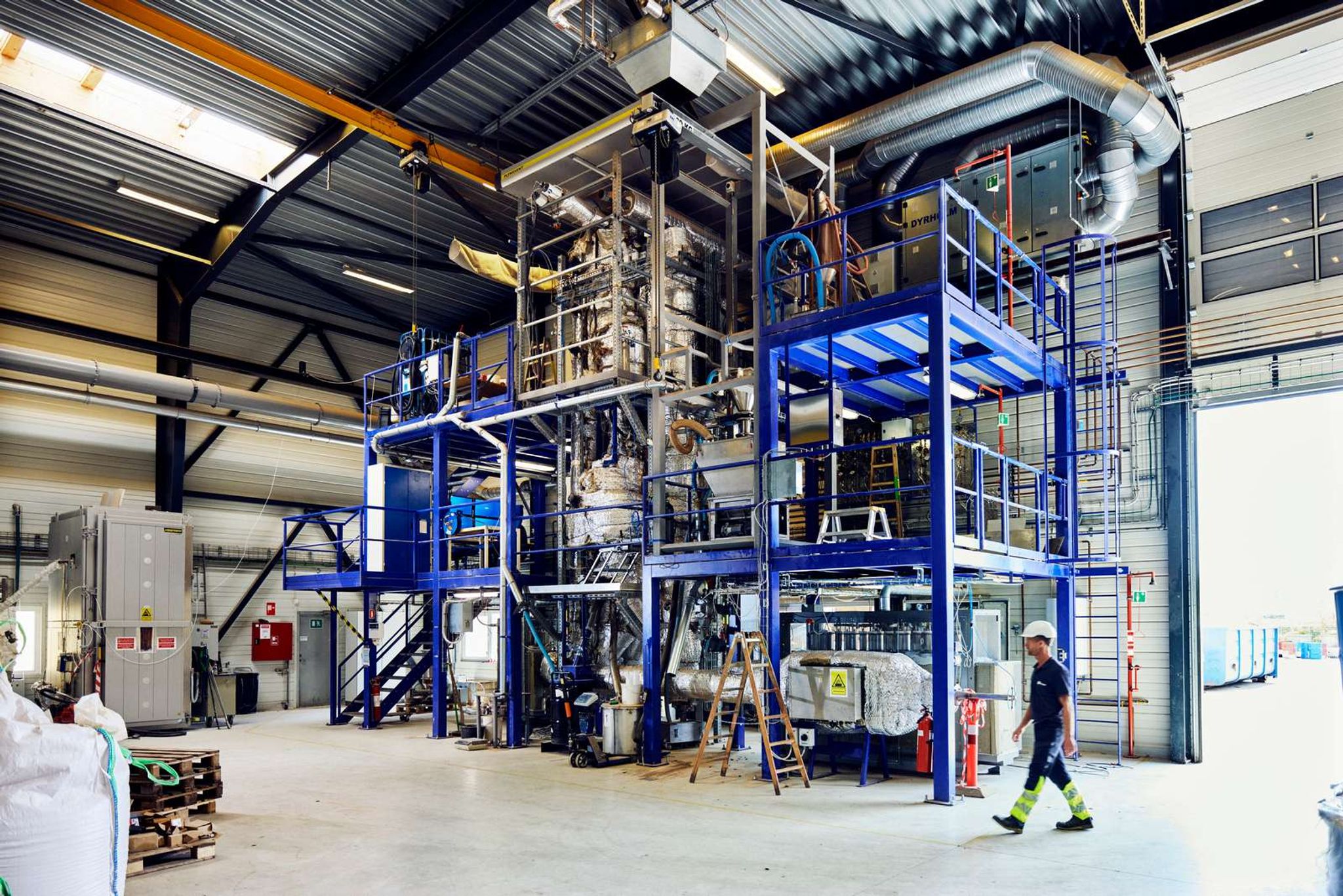
At our Dania R&D centre in Denmark - one of the world's most advanced facilities for raw materials in cement production - we help you confirm that you have a suitable clay source and the right equipment design to process it. Our laboratory services include full chemistry, mineralogical analysis, and clay reactivity testing. A pilot-scale calcination system is also available for full quality and strength testing of the blended cement product. The results go beyond pass or fail - you receive detailed insights to guide your project design and optimize your investment.
Encouragingly, most clays we've analyzed in the lab show moderate or high potential. However, there have been a few that proved unviable. That's why testing is invaluable. Pre-screening enables us to disqualify the worst materials, whether because the emissions are too high or due to inadequate strength
Niels Christian Dodensig Lundgaard, Head of Lab and Green Cement Testing
The path forward
FROM SAMPLE TO SCALE
Whether you're evaluating your first clay source or scaling to full commercial production, Fuller has the technology, the testing infrastructure, and the project experience to take you from where you are to where you need to be. The question isn't whether calcined clay already works. It's when you'll start scaling into a low-carbon future.
Case Studies
Calcined Clay Proven at Industrial Scale
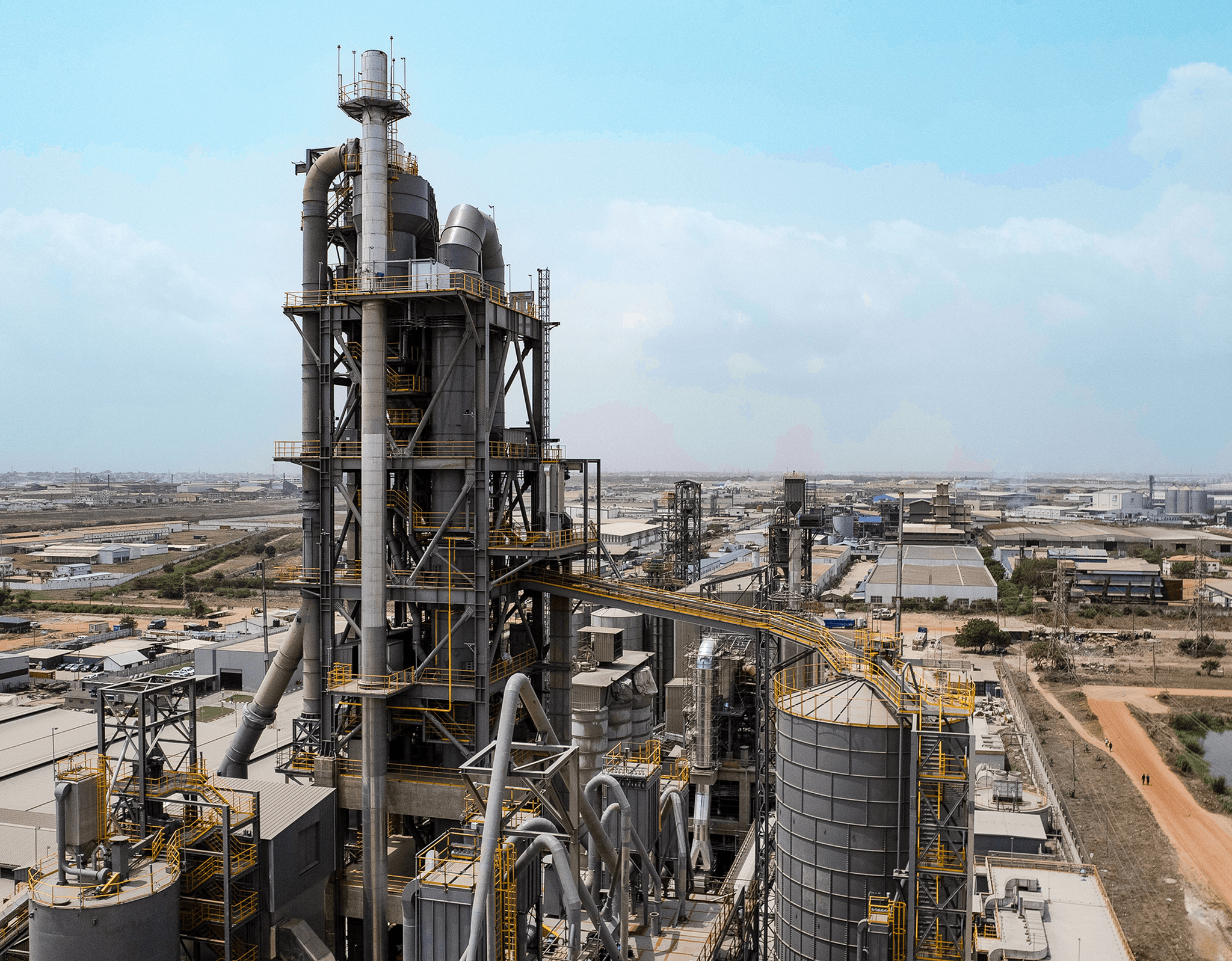
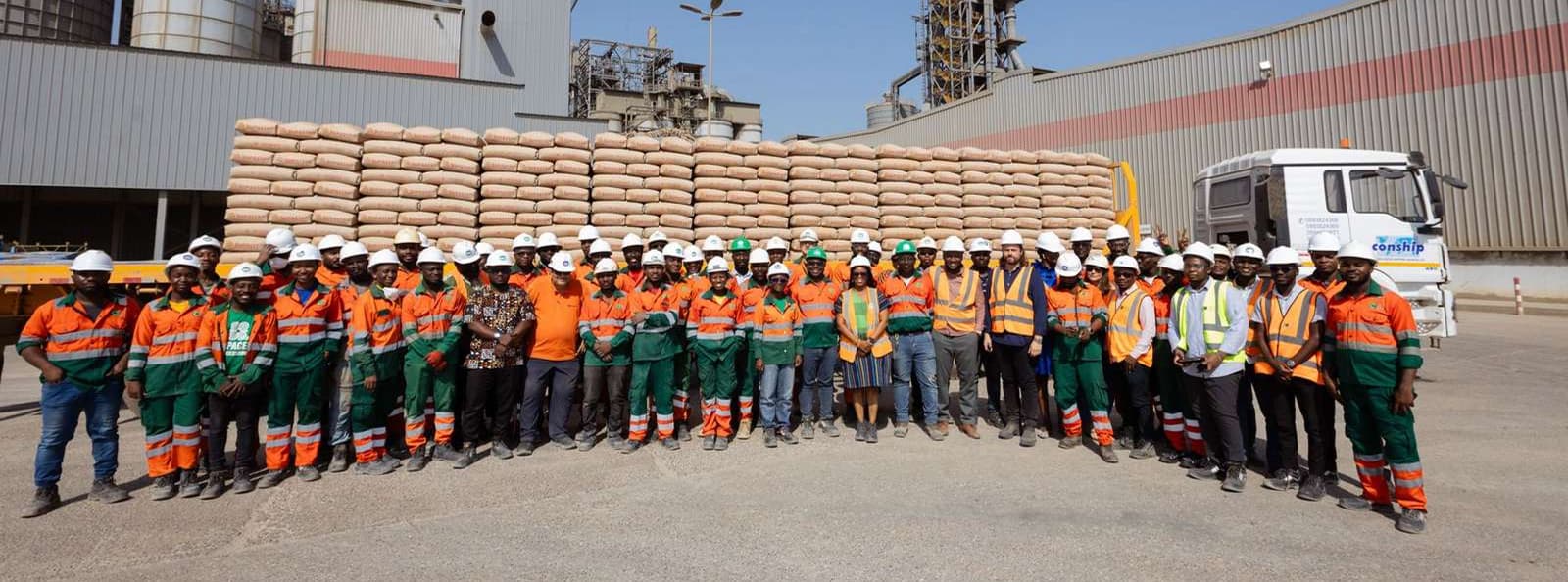
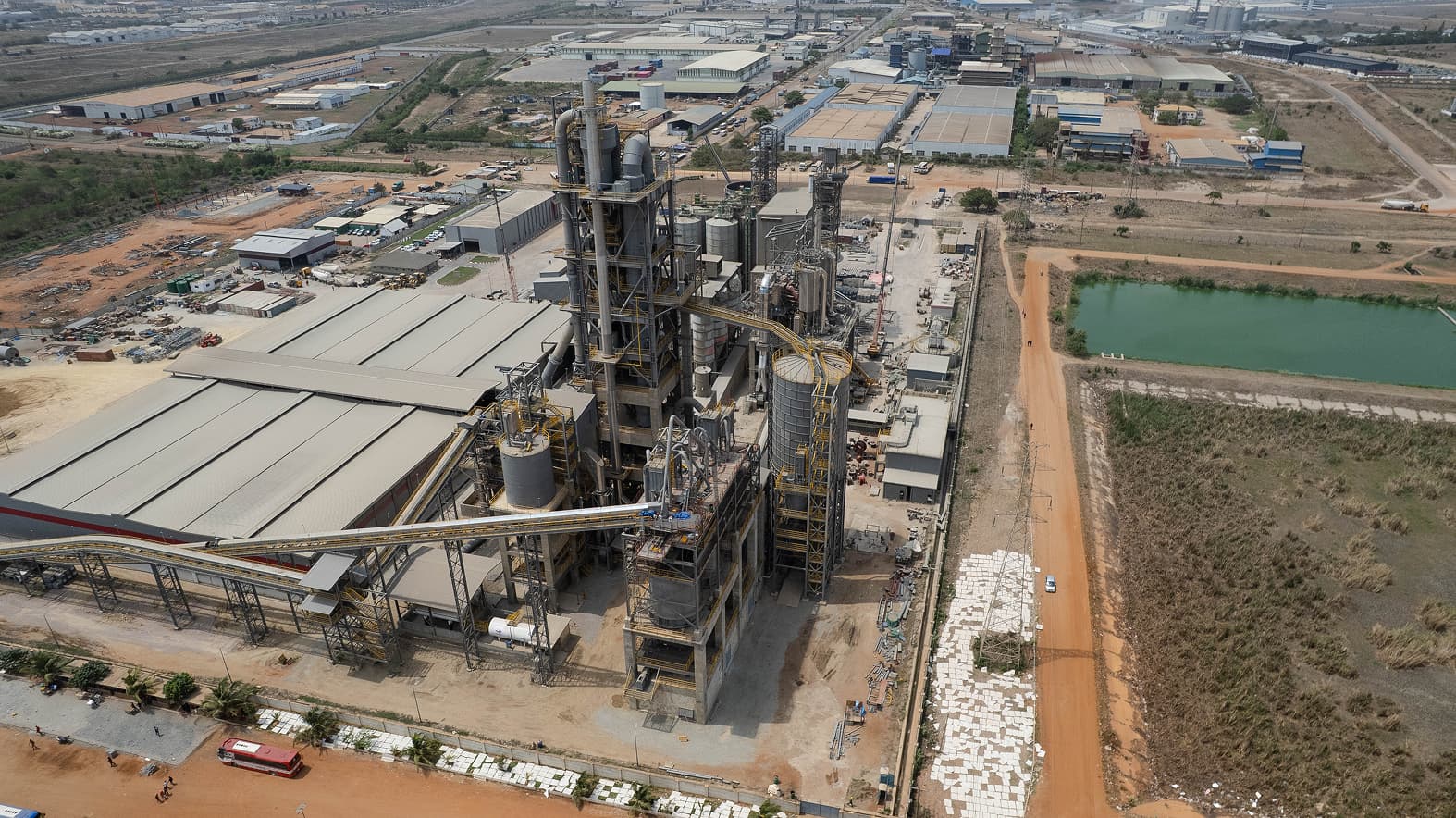
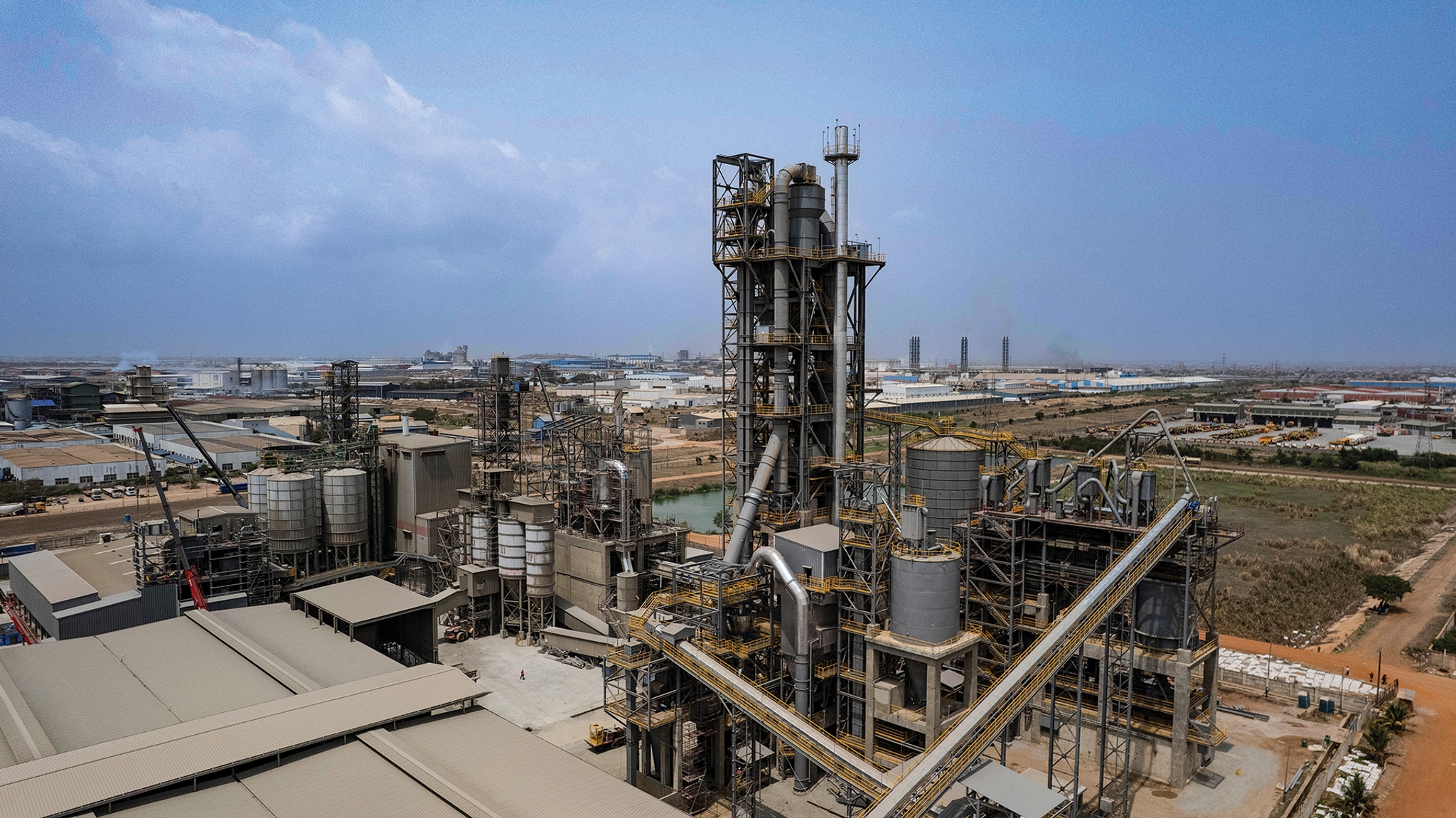
CBI Ghana - World's Largest Clay Flash Calciner
Delivering low-carbon LC3 cement to an entire nation - at half the CO₂ of conventional OPC
1200+TPD
Capacity (400,000+ tpa)
-20%CO2
vs current practices
50%Energy
less than clinker
30%Clinker
Replaced with calcined clay
CBI Ghana, alongside major shareholder Heidelberg Materials, commissioned the world's largest clay flash calciner to reduce dependency on expensive clinker imports. Fuller supplied the complete calcination system - including color control, heat recuperation, precision feeding, process control, and packing.
All process & product quality guarantees fulfilled
LC3 cement (Supacem) delivered to customers nationwide
Clay sourced locally, ~100 km from plant
Designed beyond CBI's own capacity - to accelerate industry adoption
The plant produces both LC3-45 and LC3-60 cement, crafted with 40-55% locally sourced materials. With process related emissions for the calcined clay of just ~80 kgCO₂/t, equivalent to 90% less than clinker, CBI Ghana's LC3 cements also deliver higher compressive strength from 7 days onwards, with enhanced durability.
Our Supacem LC3 cement is already being delivered to customers nationwide, offering lower CO₂ emissions, excellent strength development, and enhanced durability.
Kobby Adams, Commercial Director, CBI Ghana
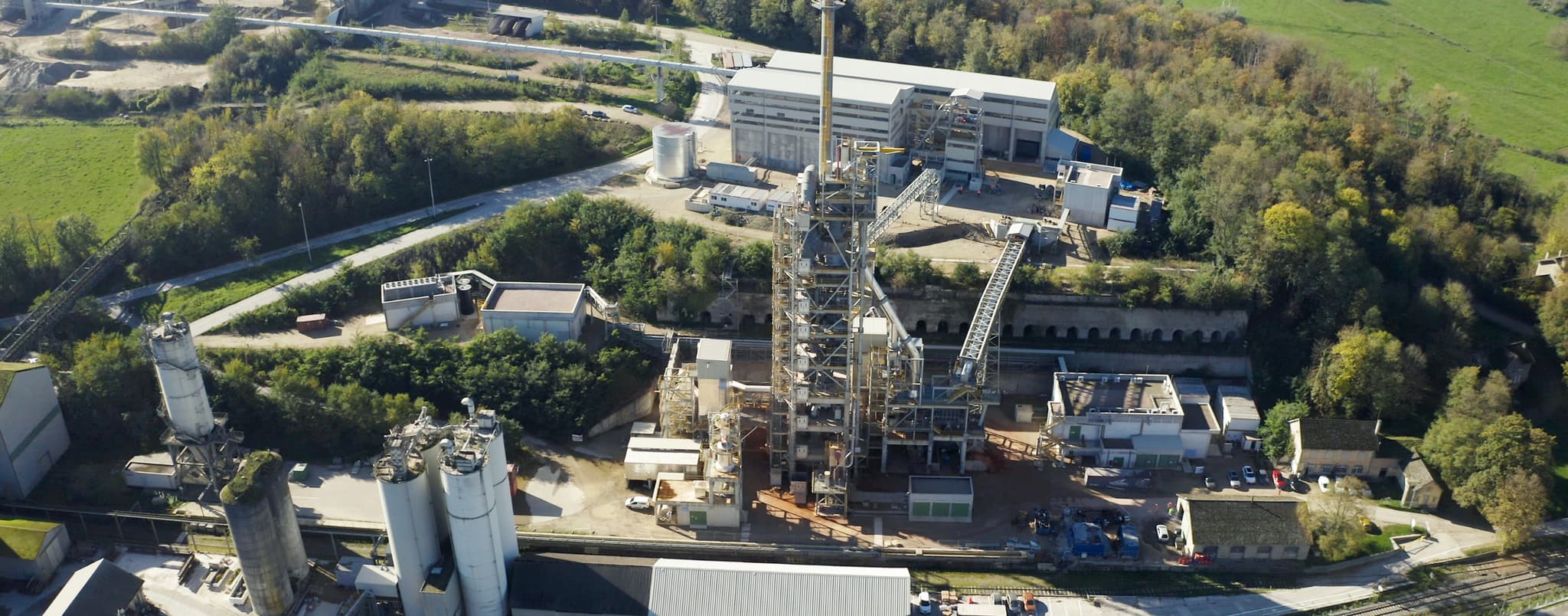
Vicat France - Europe's First Industrial-Scale Clay Flash Calciner
Proving that even challenging, high-iron clays can produce cement-grey product at industrial scale
525TPD
capacity calcined clay
-16%CO2
at plant dispatch
48500 CO2
Saved
tons/year
100%Compliance
strictest EU standards
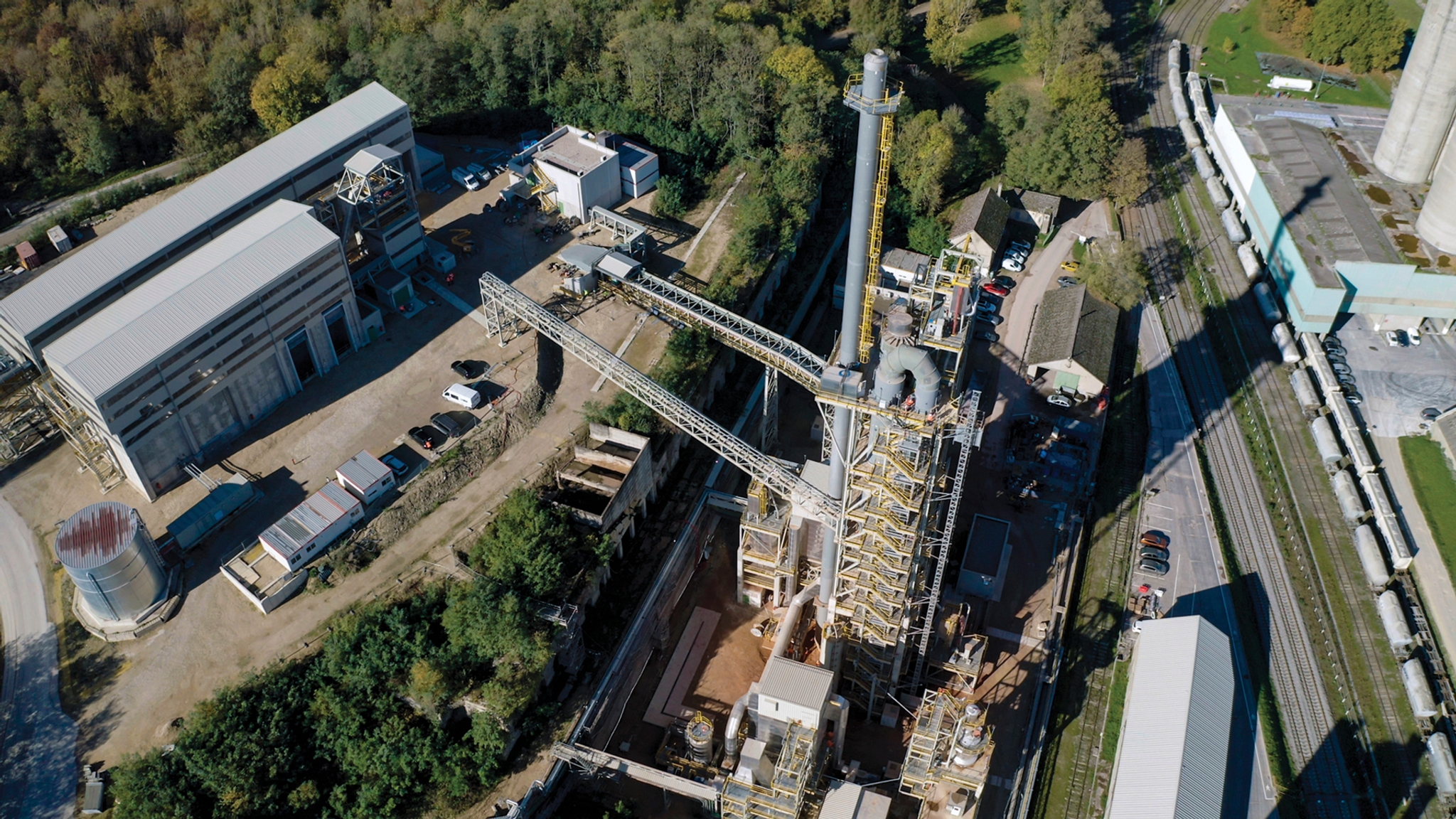
Fuller delivered Europe's first industrial-scale clay flash calciner installation for Vicat at their Xeuilley plant. The project tackles non-kaolinitic, high-iron smectitic clay - a challenging feedstock requiring Greymax™ color control to achieve consistent cement-grey product.
~600 tons produced for cement certification (6–8 month approval)
Supports compliance with France's RE2020 low-carbon regulation
Operating since 1853 - now leading Europe's decarbonization
The installation includes full emission controls (scrubber, RTO, SCR) meeting the strictest EU standards, alternative fuel capability using refuse-derived fuels, and saves 48,500 metric tons of CO₂ annually.
Fuller proved to be the right partner for this pioneering project. Fuller's technical expertise and responsive support helped us navigate the challenges of bringing Europe's first industrial-scale calcined clay plant online.
Vicat Project Team
Talk to Our Calcined Clay Experts
Whether you're exploring calcined clay for the first time or ready to scale, our team is here to help you take the next step.
REPRINT from International Cement Review, April 2026. Rasmus Franklin Momme, Morten Østergaard and Steven Miller, Fuller Technologies, explore the first-of-its-kind installation of calcined clay technology at Vicat’s Xeuilley Cement Plant in France.