MAXIMISE CLINKER SUBSTITUTION WITH THE RIGHT SCM STRATEGY
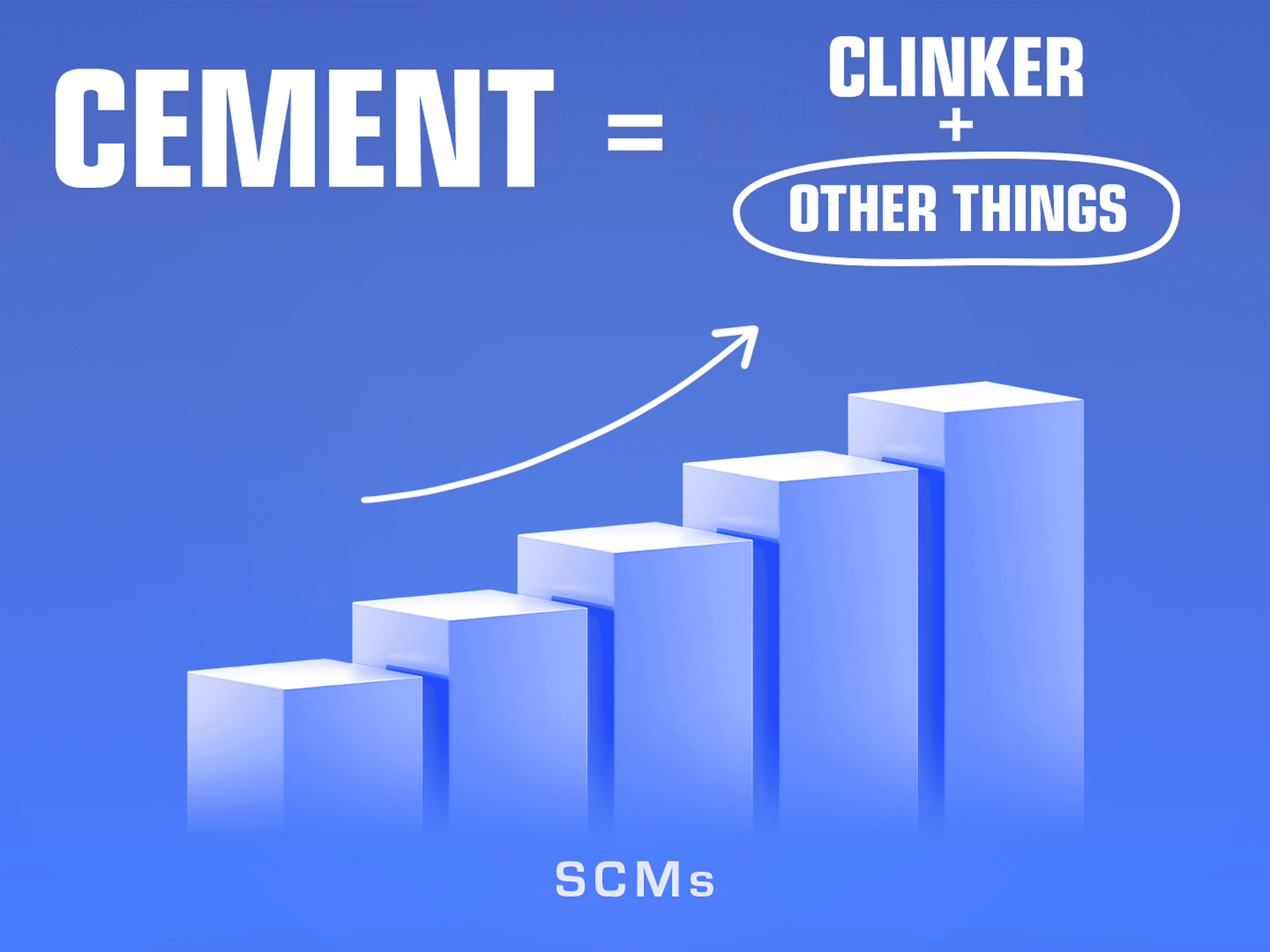
Lower clinker. Lower cost. Lower CO₂. Supplementary cementitious materials remain one of the clearest paths to cut emissions, reduce production costs, and use resources more effectively - without sacrificing cement quality.
But the world did not deliver one predictable SCM future. It delivered dozens - each with different chemistry, hydraulic or pozzolanic activity, moisture, handling behaviour, and local availability. The right SCM strategy is never one-size-fits-all, and most plants were not designed for that level of material complexity and variability.
That is where Fuller comes in. We help you evaluate the material, define the right process path, select the equipment, and support stable operation as substitution rates increase - from today's practical gains toward tomorrow's lower-clinker targets. And we stay with you from first evaluation to long-term performance.
System Readiness
50% CLINKER FUTURE DILEMMA ENGINEERED.
The next step in clinker reduction is not about naming more SCM types. It is about making more of them usable - within the same plant, quality target, and operating envelope
What usually gets in the way is not one issue, but several at once: material variability that outpaces current qualification, grinding systems that cannot flex for different material mixes, moisture and handling challenges with unfamiliar feeds, and not enough process visibility to respond as conditions shift. Leave any one unresolved, and substitution rates stay stuck.
SCM readiness for Fuller means approaching these constraints as a complete system - combining material testing, chemistry insight, grinding and activation know-how, dosing, handling, and process control. Not as isolated fixes, but as one connected engineering response.
That is how broader SCM portfolios become practical lower-clinker operations instead of difficult one-off trials.
Material Variability
Qualify Before You Commit
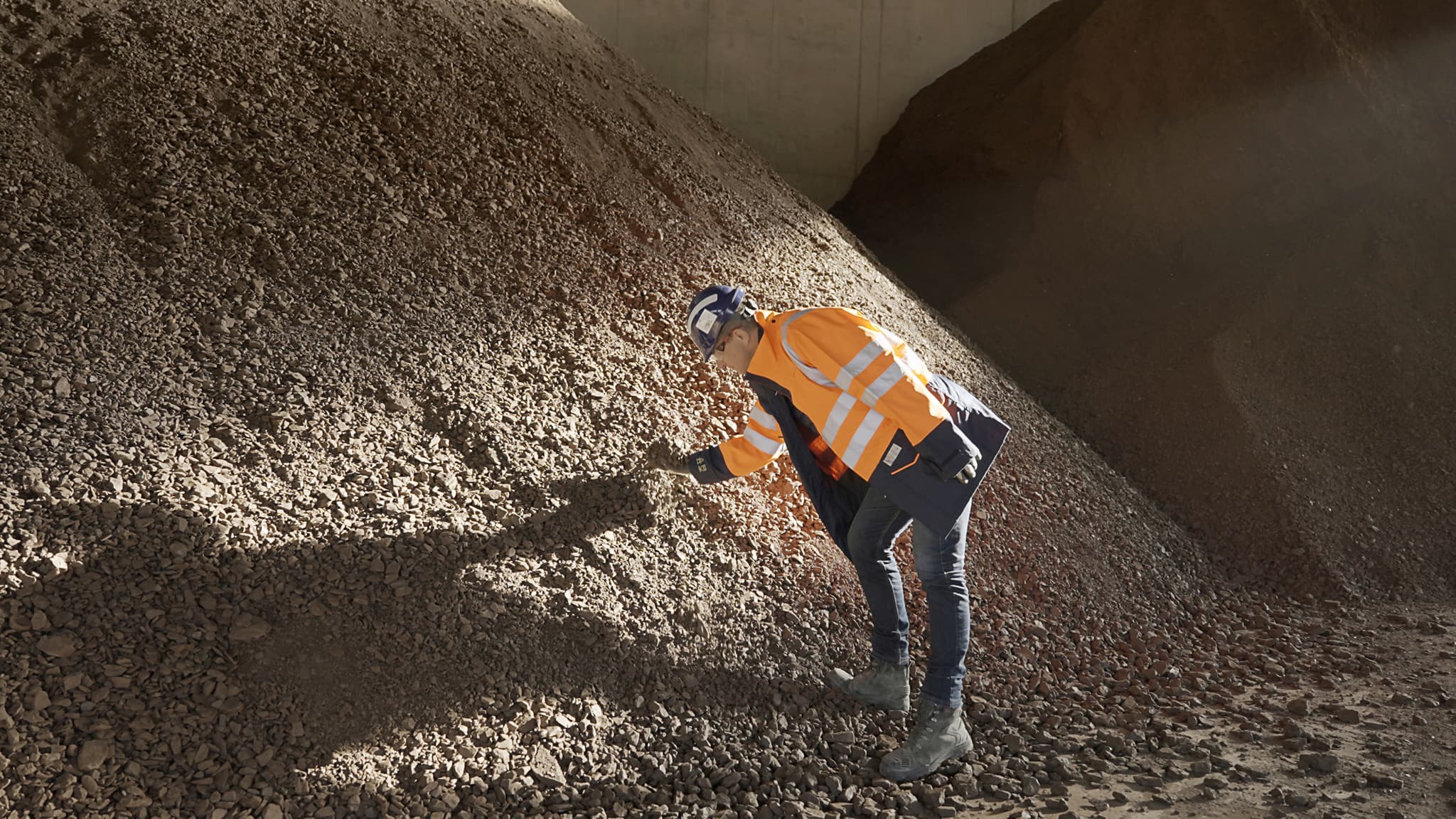
Not every SCM source behaves the same - and finding out after committing capital is expensive. Fuller helps evaluate chemistry, reactivity, LOI, and practical fit so your project starts with materials that make technical and commercial sense.
Grinding Constraints
Match the Circuit to the Mix
Higher substitution only delivers when the grinding circuit is tuned to control particle size distribution across the full material mix. Grinding strategy, classification, and separator performance together determine strength, water demand, and energy trade-offs.
Moisture & Handling
Engineered for Stability
Wet clays, variable pozzolans, and unfamiliar materials can disrupt drying, conveying, and storage. Fuller identifies and designs around these risks early, maintaining stable flow and consistent throughput.
Control & Optimisation
Detect. Respond. Hold Quality.
Once variability hits plant scale, reaction time decides outcomes. Process control and optimisation tools help operators detect changes earlier and hold product quality in real time.
SCM Reality
DIFFERENT SCMS. DIFFERENT DEMANDS. ONE PARTNER.
SCMs do not enter the plant with the same chemistry, reactivity, grindability, or supply profile. Hydraulic SCMs such as slag can react directly, while pozzolanic SCMs such as fly ash, calcined clays, and natural pozzolans rely on clinker hydration and build strength more gradually. Limestone sits in a category of its own, contributing through particle packing while still playing a key role in lower-clinker cement.
The landscape is also shifting. Slag and fly ash remain important in many markets, but their long-term availability is becoming less predictable. Calcined clays, natural pozzolans, and limestone are expanding the SCM portfolio but they introduce greater variability in moisture, particle size distribution, and process respons.
Fuller works across all of them - helping you qualify, process, and control whichever mix your market and supply chain demand.
Type of SCM
Source
Availability
Grindability
Comments
Hydraulic SCMs
GBFS
By-product of steel production
Available in industrialised countries, but as iron and steel production grows more efficient, availability of GBFS will diminish.
High, varies between 120 – 200% of clinker
Can be substituted up to 100% and is commonly used at very high replacement levels.
Pozzolanic SCMs
Fly ash
By-product of coal combustion for power
Around 900 million tpy available, but only around a third is of high enough quality for cement and concrete use.
Low to moderate, around 30% of clinker
Important today, but not a long-term universal solution as coal-fired power declines and supply fragments by market.
Calcined clays
Naturally occurring worldwide
Widely available, sometimes even stockpiled as waste from ceramics manufacturing.
Easy, less than 30% of clinker
A strong substitution route, but real-world performance still depends on clay quality, moisture, activation, and PSD control.
Natural pozzolans
Naturally occurring worldwide
Availability and applicability vary by region and deposit.
Varies, 30 – 100% of clinker
Can be very abrasive and may require finer particle size and careful process design.
Limestone
Naturally occurring worldwide
Widely available
Low, around 30% of clinker
Use as a filler is regulated in varying amounts from 5 – 35% and has been proven in greater quantities with proper grinding.
The challenge is no longer whether low-clinker cement can be produced - but whether your plant can absorb the variability that comes with it - and keep running efficiently at higher substitution rates.
Data, Control + R&D
BETTER CONTROL. HIGHER SCM SUBSTITUTION.
As substitution rates rise, the challenge is not eliminating variability. It is responding to it fast enough. A moisture spike, an LOI swing, a chemistry shift, or PSD drift can hit plant scale in minutes. If your system cannot see those changes and respond in time, substitution rates stay fragile.
Fuller closes that gap with process control, optimisation, and data-driven tools that help operators hold performance under real conditions. ECS/ProcessExpert already delivers this across your cement production process - measuring inline, predicting impact, and adjusting in real time. Our R&D efforts with DETOCS extend the same logic forward, connecting plant data, cement chemistry, and predictive models to support even higher SCM use with confidence.
Inline PSD measurement
Soft-sensing and real-time anomaly detection
Dynamic sulfate optimisation
On-demand blend and dosing adjustments
Control loops tied to real-time moisture and chemistry changes
This is not digitalisation for its own sake. It is the engineering layer that protects quality, stability, and margin as your clinker factor falls.
SCM Solutions. Engineered for the Lower-Clinker Future.
Material Suitability And Chemistry
Grinding And Classification Strategy
Drying, Conveying, And Material Handling
Precision Dosing And Blending
Calcined Clay Activation
Process Control And Optimisation
End to end support
SUPPORTING YOUR PATH TO LOWER-CLINKER CEMENT. EVERY STEP OF THE WAY.
FROM MATERIAL SCREENING TO LIFECYCLE SUPPORT
From material screening and process studies to retrofit design, commissioning, and ongoing support - we help you move SCM strategies from concept to dependable operation. Whether you are building a new line or improving an existing one, our OEM expertise covers grinding, activation, dosing, control, and maintenance across the full flowsheet.
With Fuller, your SCM strategy is backed by the same team that designed the process, built the equipment, and operates alongside you when conditions change.
Our Service Portfolio
From material qualification and process design to upgrades, optimisation, and ongoing support, Fuller helps turn SCM strategy into stable plant performance
Testing & Simulation
Confirm material viability, process fit, and expected performance before major decisions are made.
Material suitability screening
Laboratory testing
Pilot-scale testing
Process simulation
Feasibility studies
Design & Commissioning
Implement the right process path with OEM-backed engineering and start-up support.
System engineering
Retrofit and upgrade studies
Installation supervision
Performance testing
Feasibility studies
On-Site
OEM expertise to improve performance under real operating conditions
Post-commissioning support
Production and maintenance assistance
Process audits and optimisation
Evaluate Your Materials
TEST. VALIDATE. SCALE.
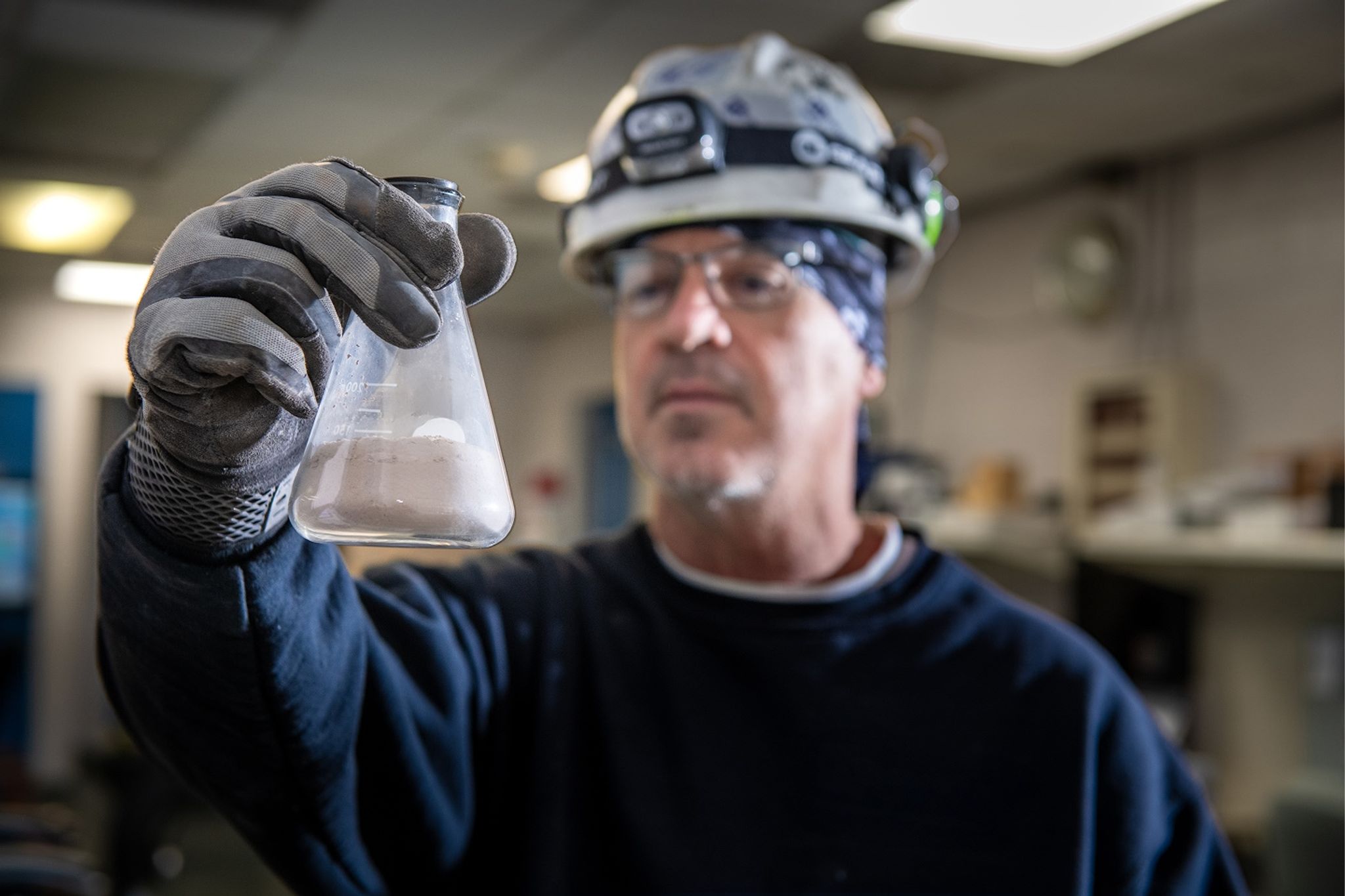
Not every promising SCM is the right fit for your plant, your process, or your target product. Testing helps confirm chemistry, reactivity, emissions, grinding behaviour, and product quality before capital is at stake.
At our Dania R&D centre in Denmark, we combine raw material screening, chemistry and mineralogy analysis, emissions assessment, pilot-scale testing, and blended-cement performance testing. From material viability to final product quality — the answers come before the capital commitment.
Our Pneumatic Conveying Test Laboratory in Pennsylvania adds flow and transport validation - testing your actual material under real conveying conditions, sizing equipment, and resolving handling risks at test scale — not on the plant floor.
The goal is not just to prove that an SCM can work. It is to define how it should work - in your process, at your target clinker factor, with your product requirements.
The System Advantage
FROM SCM CHOICE TO PLANT ADVANTAGE
The strongest SCM strategy is the one your plant can run consistently. That means aligning material opportunity with the right testing, process design, equipment, and control response - and keeping it all stable as your SCM mix evolves.
That is what Fuller brings together. Material qualification. Grinding strategy. Activation know-how. Handling and dosing. Digital control. Lifecycle support. Not as a menu of options - but as one connected system aimed at getting you further on clinker substitution with less risk.
The lower-clinker future is not a destination that has been reached. It is being engineered - plant by plant, material by material. Fuller's ongoing R&D, including work on predictive control of low-clinker blends, is building the next layer of that capability. And where the system is already proven at scale, calcined clay shows what becomes possible.
Our Low Carbon Solutions lead walks through the two-decade journey that brought industrial calcined clay from R&D ambition to two operating plants – Europe's first full-scale clay calciner with Vicat in France, and the world's largest calcined clay installation with CBI Ghana. See the technology, the process choices, the plant layout, and what producers need to settle before committing capital.
Case Studies
Supplementary Cementitious Materials Proven at Industrial Scale
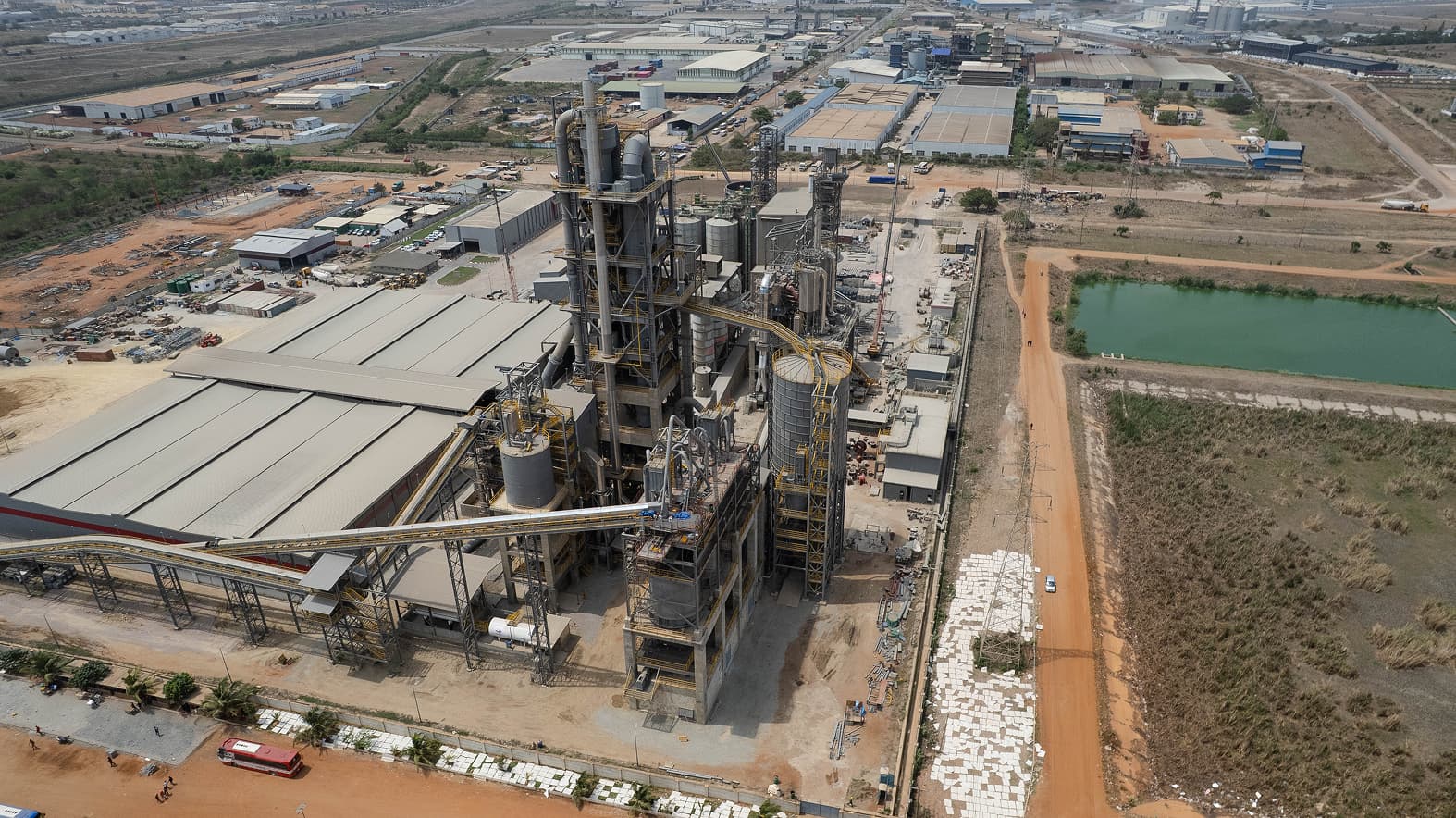
CBI Ghana - World's Largest Clay Flash Calciner
Delivering low-carbon LC3 cement to an entire nation - at half the CO₂ of conventional OPC
1200+TPD
Capacity (400,000+ tpa)
-20%CO2
vs current practices
50%Energy
less than clinker
30%Clinker
Replaced with calcined clay
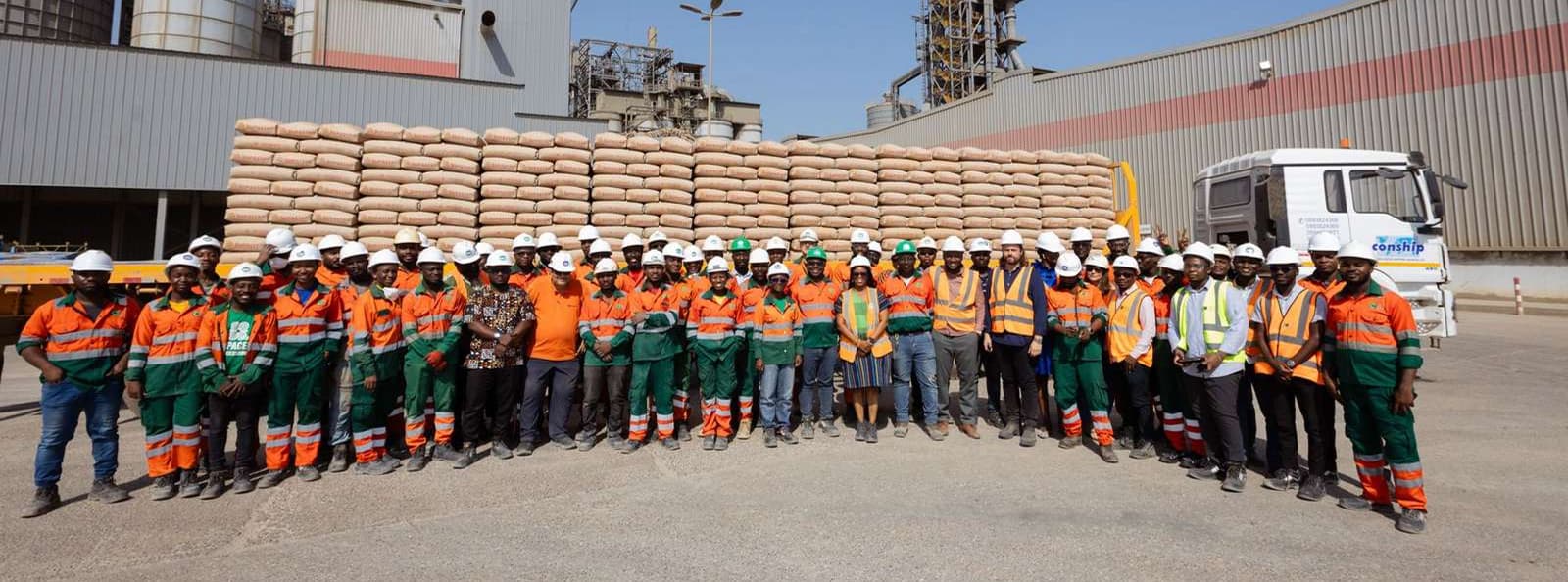
CBI Ghana, alongside major shareholder Heidelberg Materials, commissioned the world's largest clay flash calciner to reduce dependency on expensive clinker imports. Fuller supplied the complete calcination system - including color control, heat recuperation, precision feeding, process control, and packing.
All process & product quality guarantees fulfilled
LC3 cement (Supacem) delivered to customers nationwide
Clay sourced locally, ~100 km from plant
Designed beyond CBI's own capacity - to accelerate industry adoption
The plant produces both LC3-45 and LC3-60 cement, crafted with 40-55% locally sourced materials. With process related emissions for the calcined clay of just ~80 kgCO₂/t, equivalent to 90% less than clinker, CBI Ghana's LC3 cements also deliver higher compressive strength from 7 days onwards, with enhanced durability.
Our Supacem LC3 cement is already being delivered to customers nationwide, offering lower CO₂ emissions, excellent strength development, and enhanced durability.
Kobby Adams, Commercial Director, CBI Ghana
Vicat France - Europe's First Industrial-Scale Clay Flash Calciner
Proving that even challenging, high-iron clays can produce cement-grey product at industrial scale
525TPD
capacity calcined clay
-16%CO2
at plant dispatch
48500 CO2
Saved
tons/year
100%Compliance
strictest EU standards
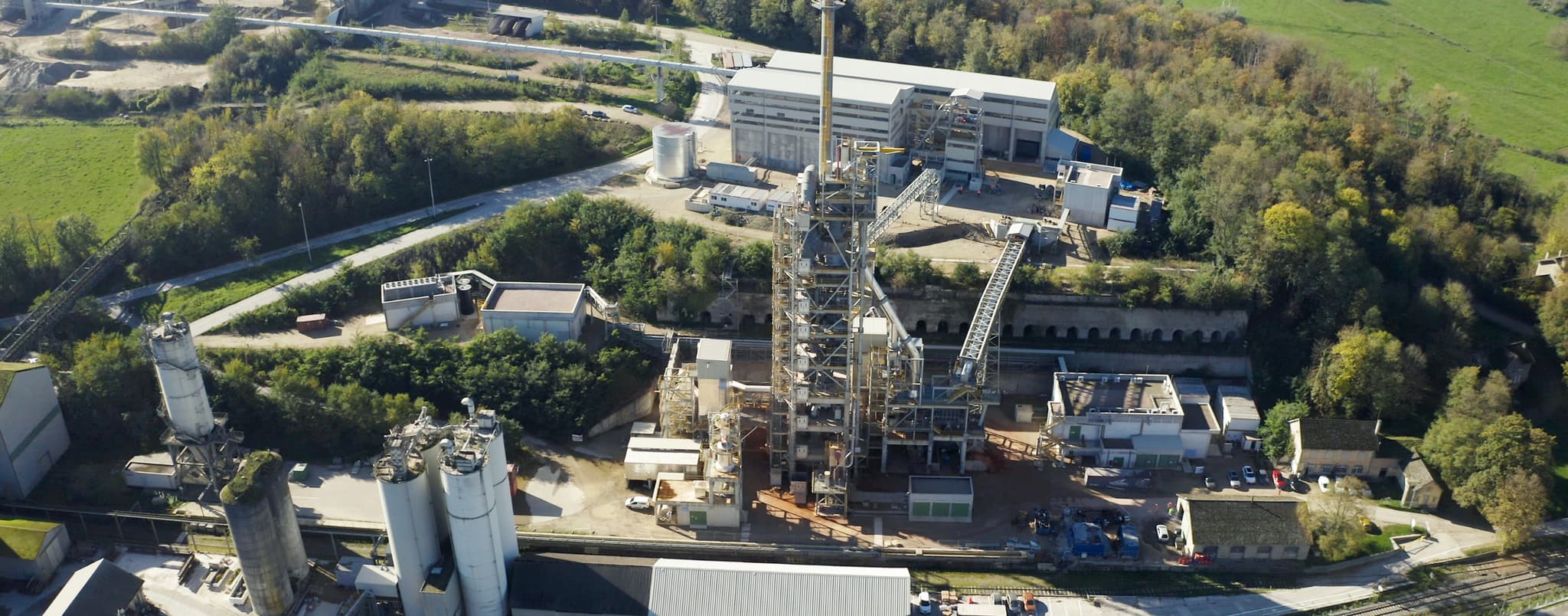
Fuller delivered Europe's first industrial-scale clay flash calciner installation for Vicat at their Xeuilley plant. The project tackles non-kaolinitic, high-iron smectitic clay - a challenging feedstock requiring Greymax™ color control to achieve consistent cement-grey product.
~600 tons produced for cement certification (6–8 month approval)
Supports compliance with France's RE2020 low-carbon regulation
Operating since 1853 - now leading Europe's decarbonization
The installation includes full emission controls (scrubber, RTO, SCR) meeting the strictest EU standards, alternative fuel capability using refuse-derived fuels, and saves 48,500 metric tons of CO₂ annually.
Fuller proved to be the right partner for this pioneering project. Fuller's technical expertise and responsive support helped us navigate the challenges of bringing Europe's first industrial-scale calcined clay plant online.
Vicat Project Team
Talk to Our SCM Experts
Ready to evaluate a new SCM source, improve substitution on your current line, or plan the next step? Our SCM team is here to help.
REPRINT from International Cement Review, April 2026. Rasmus Franklin Momme, Morten Østergaard and Steven Miller, Fuller Technologies, explore the first-of-its-kind installation of calcined clay technology at Vicat’s Xeuilley Cement Plant in France.