Flowsheet matters more than equipment
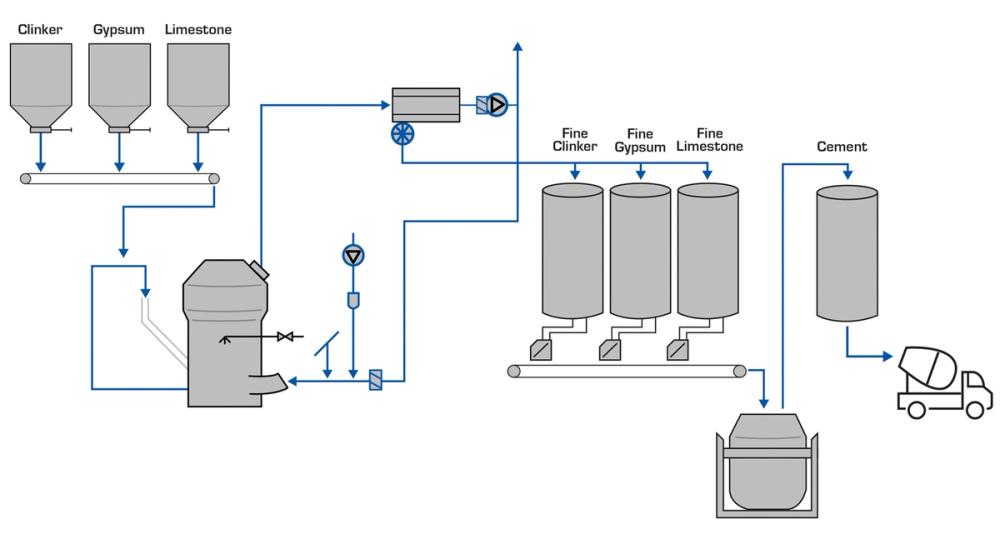
Because different materials display different grinding behavior, even the best mill on the market would struggle to deliver the best for both. Instead, plants should be looking at the best combination of equipment to achieve maximum substitution, taking into account drying, grinding and blending, all while maintaining tight sulfate control and gathering real-time PSD insight.
Services bring together expertise and experience
The shift to 50% clinker replacement shouldn’t be attempted in isolation. Across the industry we can learn from each other – from failed attempts as much as successes. And, whether you're evaluating if a calcined clay source will work in your plant, understanding how variable feedstock will behave in your system, or optimizing existing equipment for low-clinker cements, there are services to support you through these challenges.
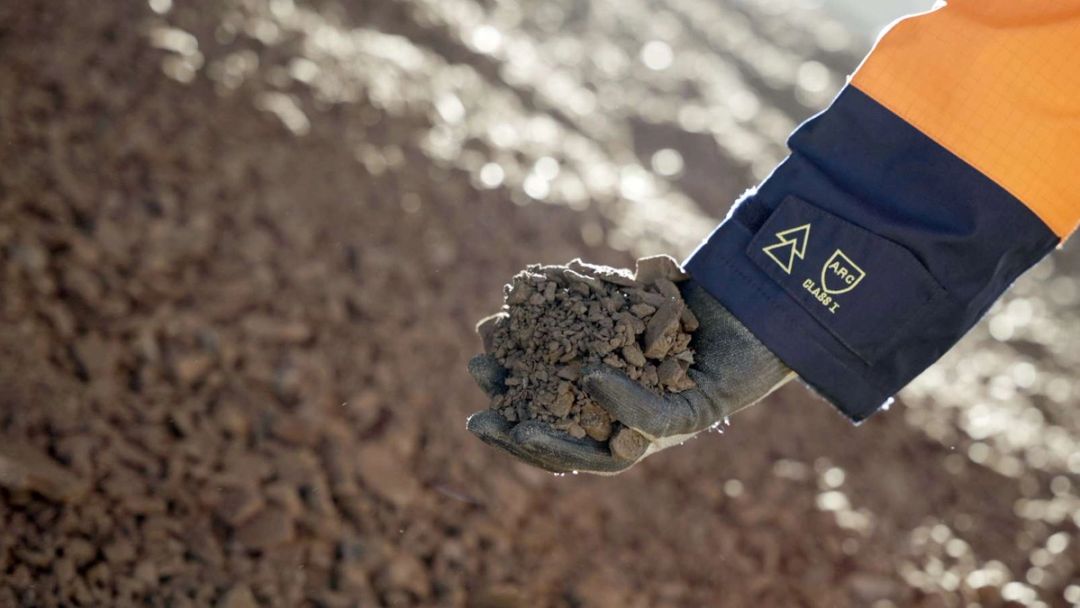
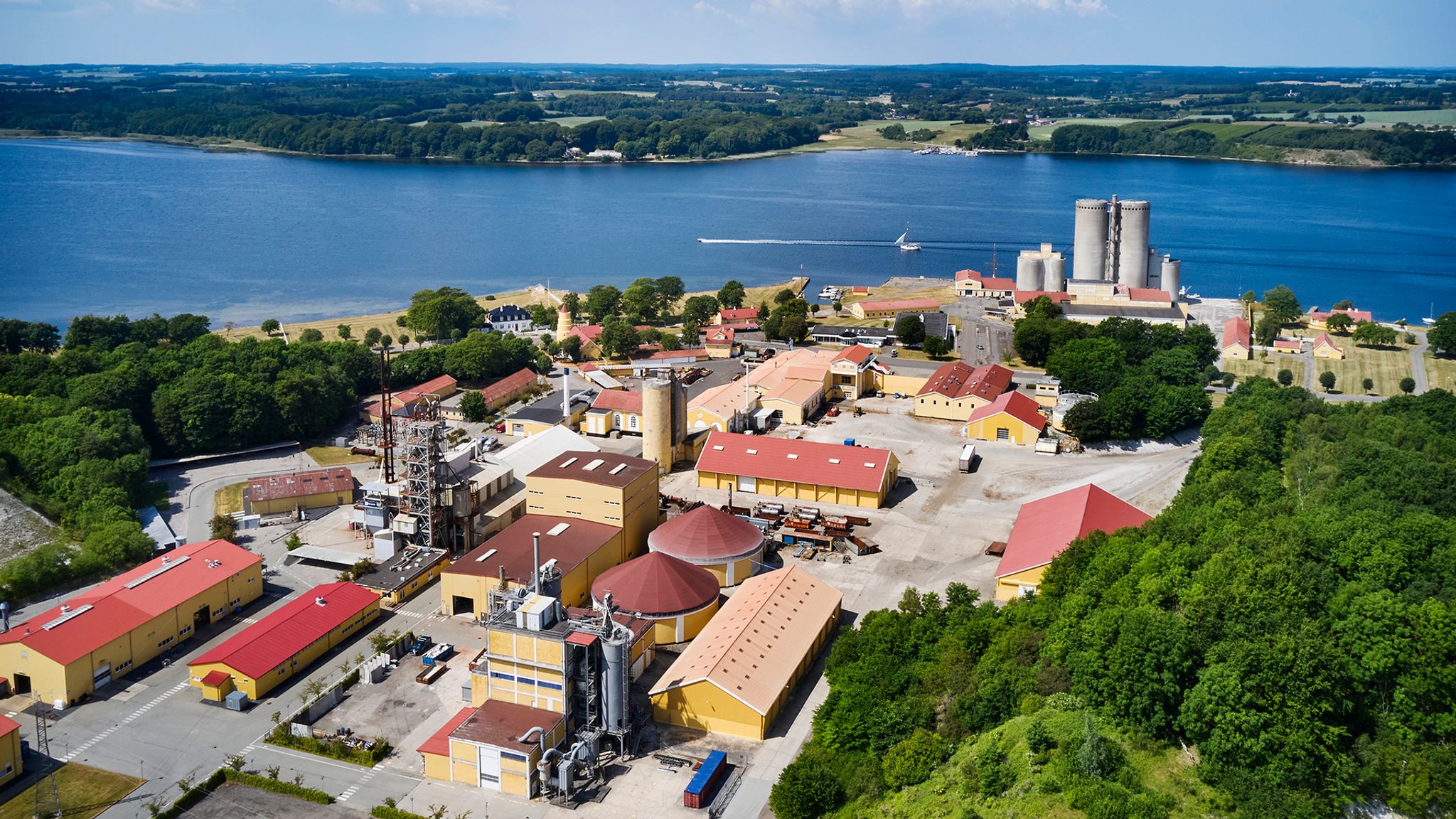
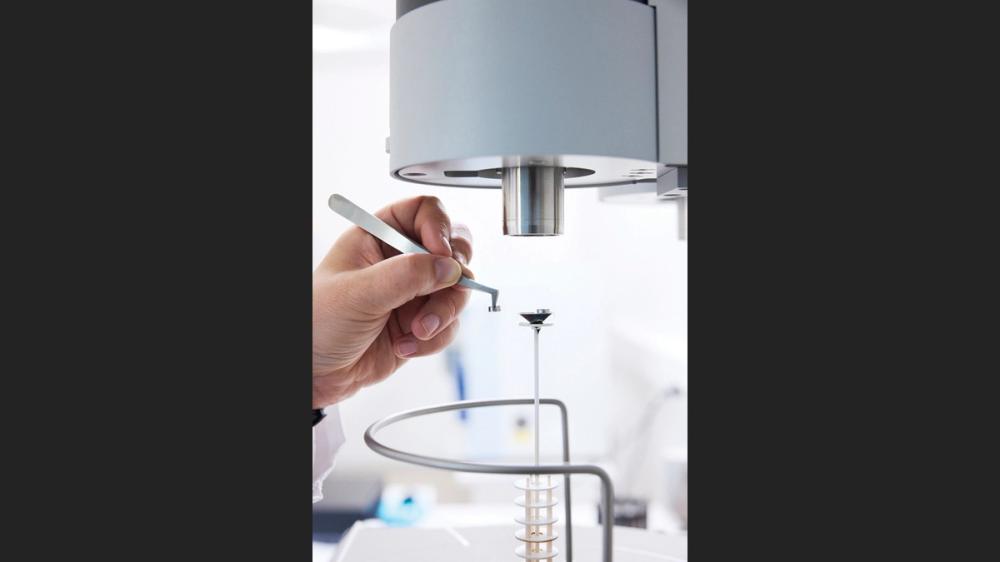
Material suitability and supply risk are often the first hurdle. Not all calcined clays perform equally – LOI, kaolinite content, reactivity all vary. Our materials testing facility in Dania provides detailed analysis of clay samples to answer a straightforward question: will this resource work in my plant, at my target replacement level, with my product specifications? This upfront assessment can save months of trial-and-error or prevent costly supply commitments to unsuitable material.
Handling new materials can add another layer of difficulty. High-moisture clays, variable particle size distributions, and unfamiliar feedstock characteristics can create flow problems in pneumatic transport systems designed for traditional cement components. Our Pneumatic Transport R&D Lab in Pennsylvania identifies material flow behavior under your specific conditions, enabling engineering solutions that prevent bottlenecks or equipment wear without requiring complete system redesigns.
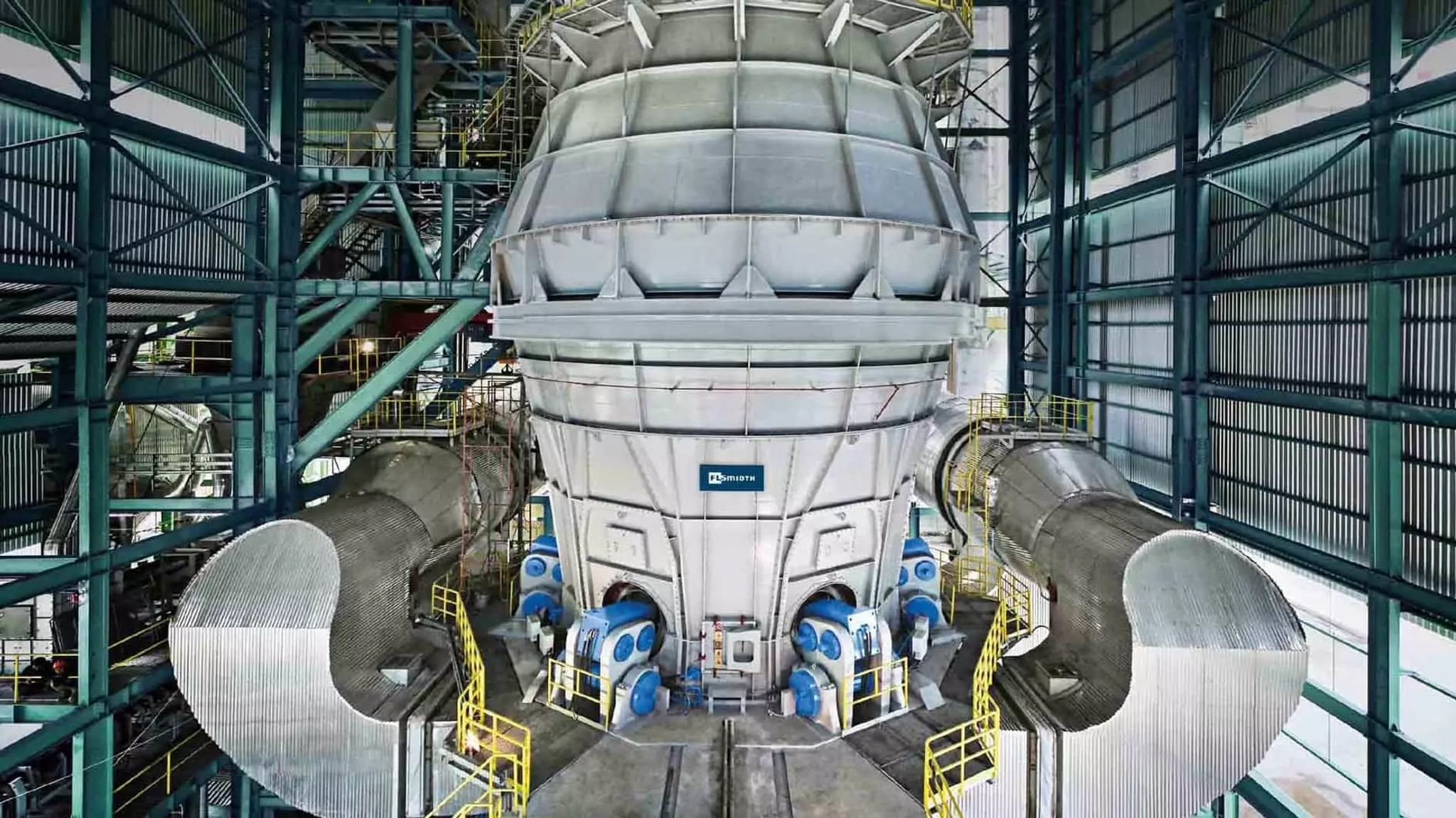
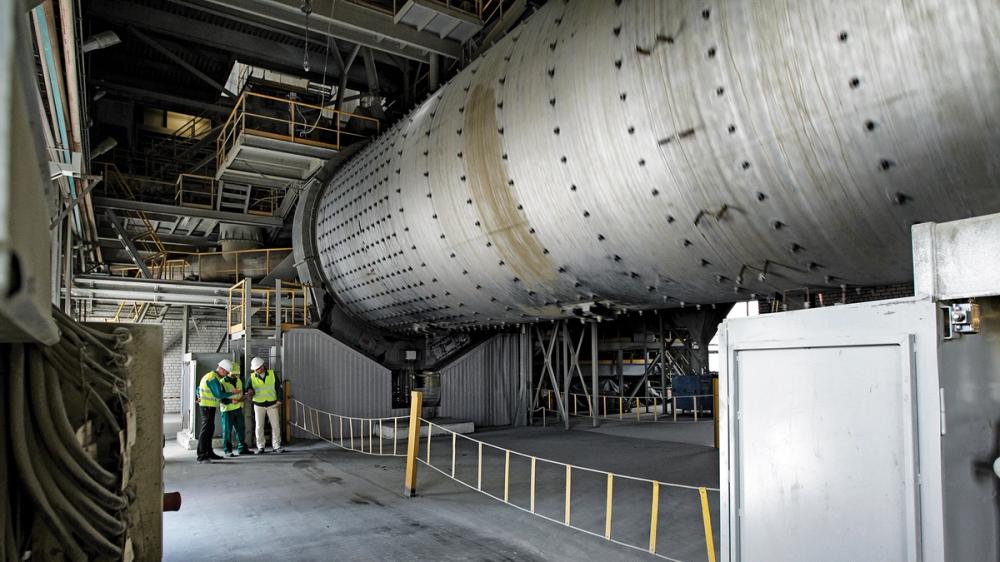
Process audits and grinding optimization address the third category: making your existing equipment work more efficiently with low-clinker blends. Process audits identify where energy is wasted, where PSD control is slipping, and where simple upgrades deliver disproportionate returns. For ball mill circuits, separator upgrades – third-generation designs like the O-SEPA® or SEPAX™ – improve classification efficiency and reduce recirculation, typically delivering 5–10% power consumption reductions. For VRM circuits, upgrades like the ROKS-H separator help address overgrinding in low-clinker formulations, yielding 2–3% energy savings while improving product consistency. Our service experts can help you understand which upgrades and process adjustments will help get you closest to your goals.
Where to start without new mills
You don't need to replace your mill to transition to low-clinker cement. You need to understand your material, design your flowsheet for it, and optimise the equipment you have.
- Increase limestone filler (with PSD control)
- Adopt separate grinding or hybrid SG (VRM clinker + BM SCM)
- Add classifier upgrades
- Tune sulfate carriers to new PSD distributions
- Implement rapid QC cycles
- Optimise moisture handling in grinding circuits
- Create SCM “cocktail blends” to buffer variability
These steps alone can unlock 5–15% clinker reduction in many plants.

_Raw_and_Cement_Mill.png?w=2048&q=80&auto=format)