23rd Sep 2026
Precision raw mix and cement quality-control with QCX/BlendExpert™
Raw mix control can't wait for the next analysis
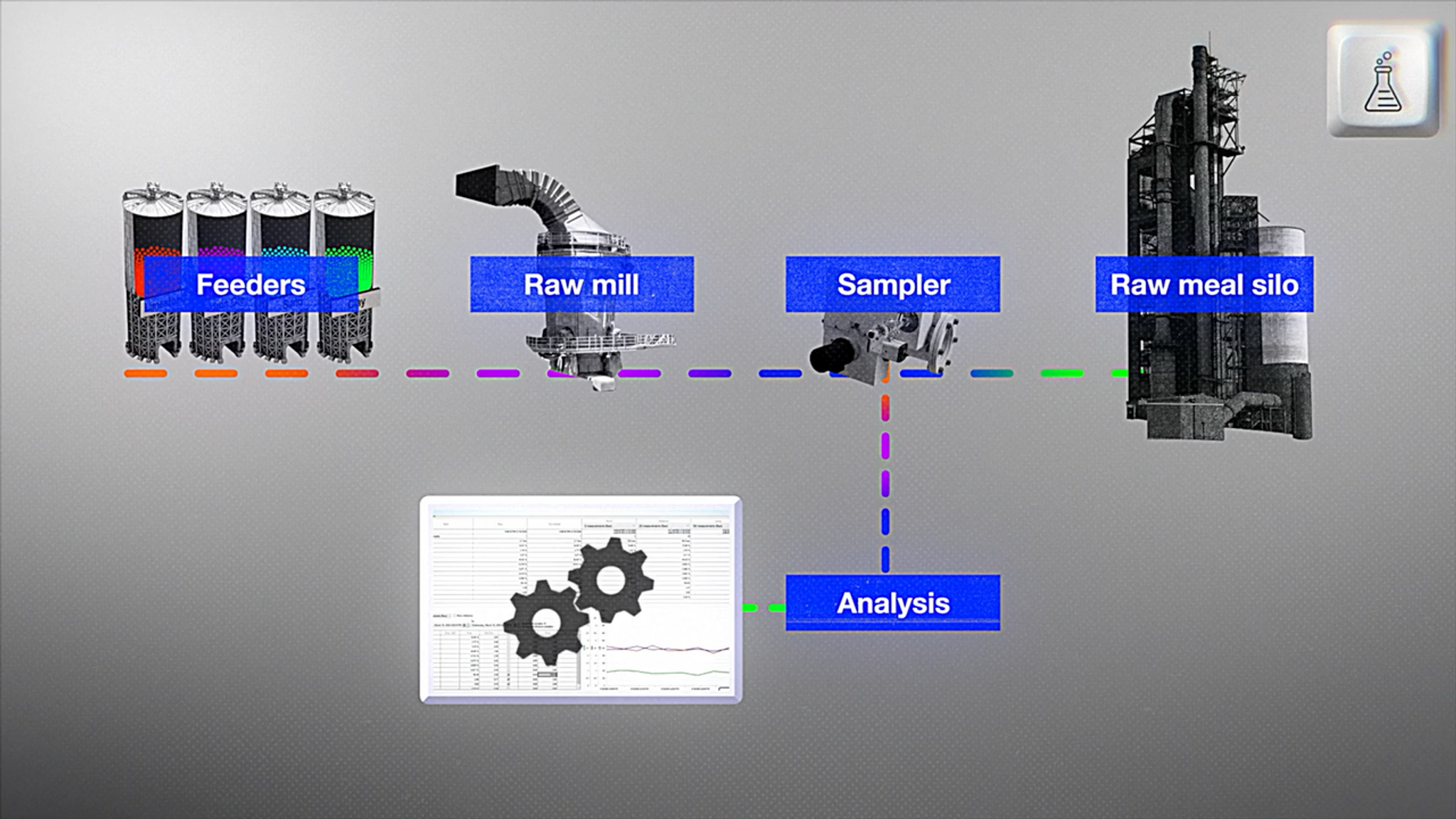
Variations in raw material chemistry can affect product quality, process stability and energy efficiency, so the blend has to be corrected continuously. Laboratory XRF analysis is accurate but periodic, while online analyzers deliver faster feedback with inherently lower measurement accuracy. Physical sampling of raw materials is often impractical to perform frequently, meaning operators have poor visibility of what they are actually feeding.
Track, estimate, adjust: the control loop for lower variability
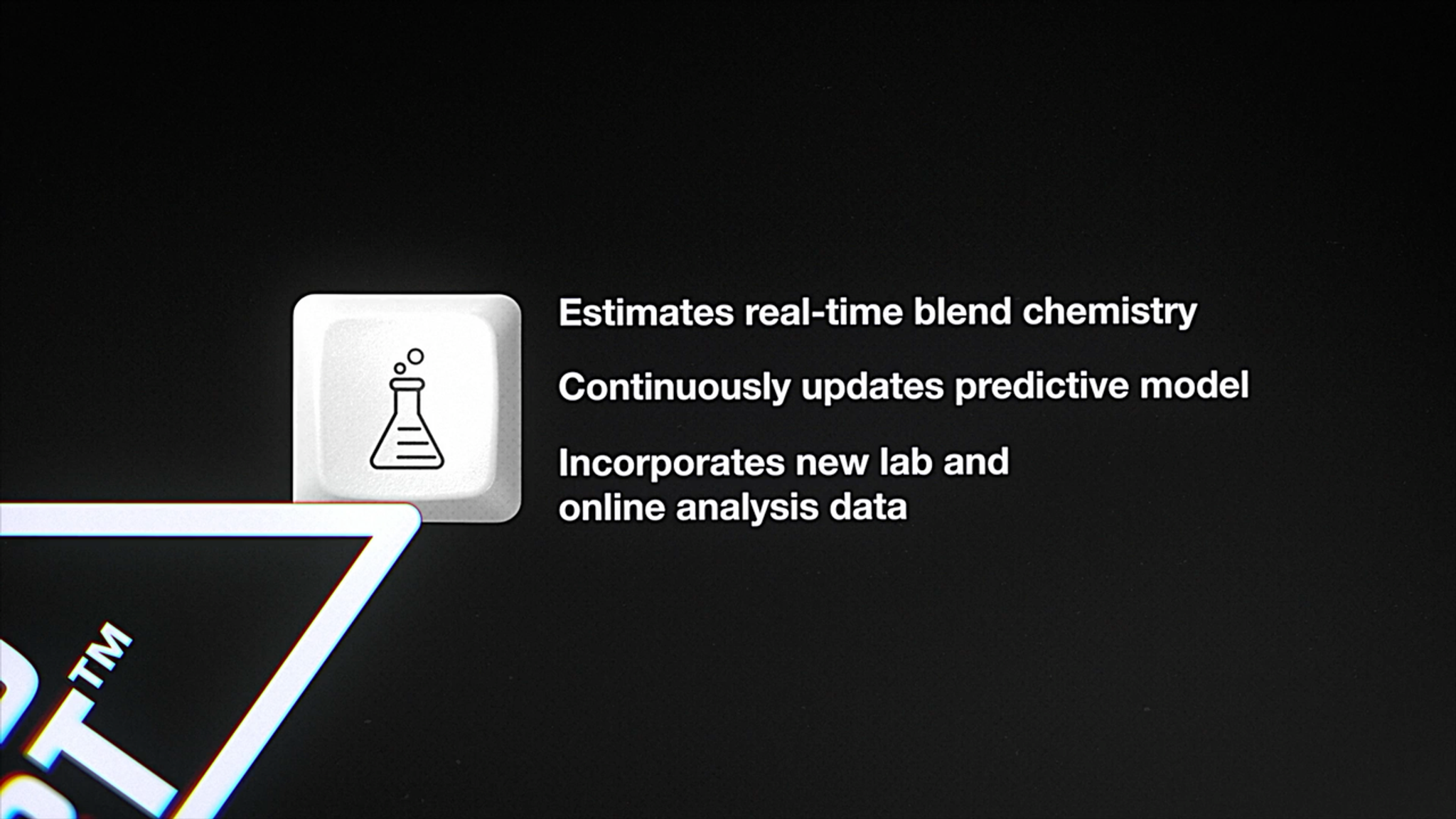
QCX/BlendExpert software follows the material from the moment it leaves the feeders. Based on the weigh feeder signals, it accounts for each raw material feed stream and other relevant inputs, such as kiln dust, and tracks how they mix on their way to the silo. Using this information, QCX/BlendExpert can dynamically estimate the raw meal composition and update it’s model with each new analysis result.In plants that run an online analyzer alongside laboratory XRF, QCX/OnlineExpert - an add-on module for QCX/BlendExpert, continuously corrects the online analyzer's bias, delivering fast feedback, without compromising accuracy.
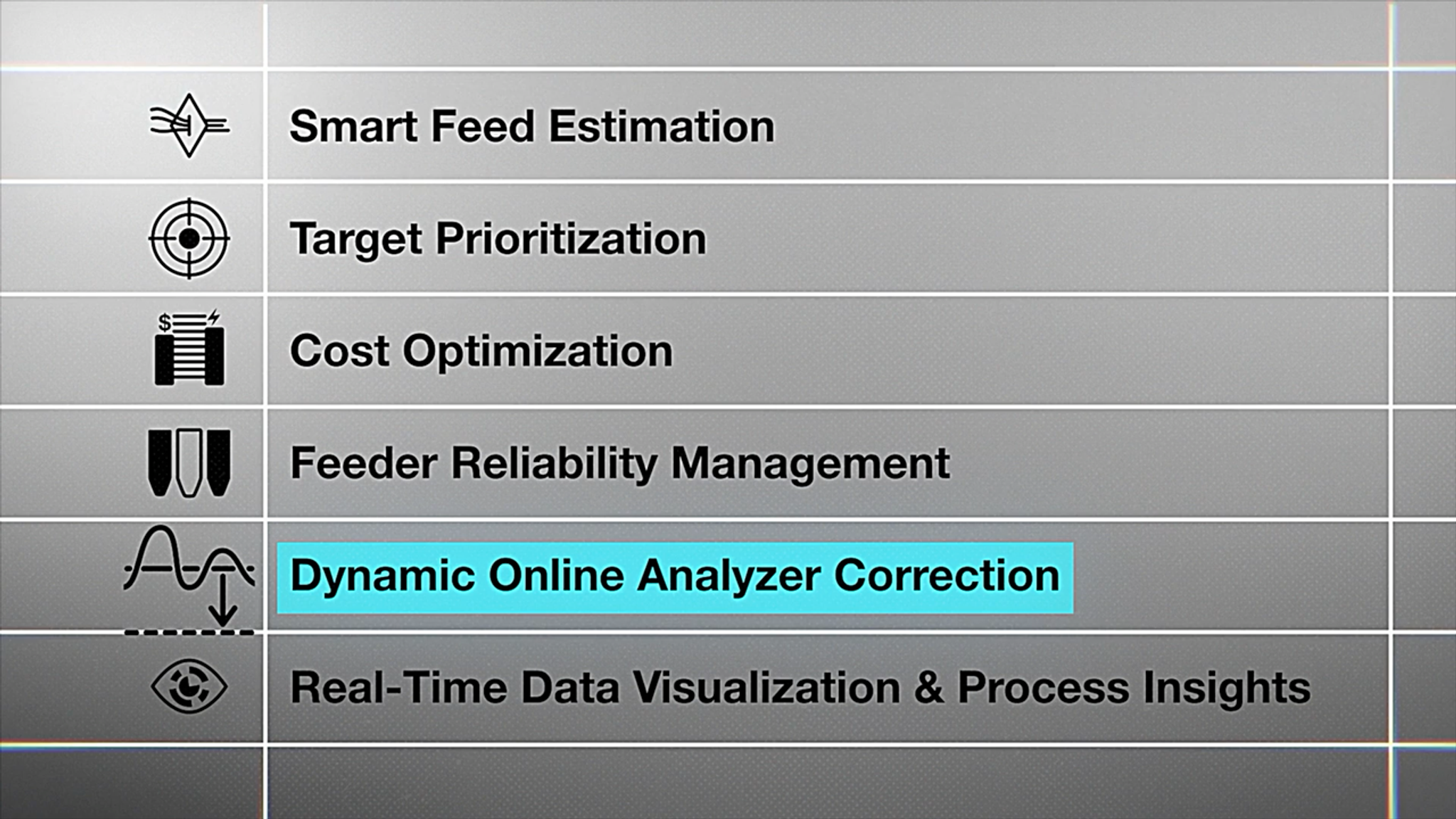
Once in operation, its performance is easy to follow. Live dashboards show trends and KPIs while QCX/Reporting provides shift, day and month reports on chemical performance, so you can track LSF standard deviation.
Following each new analysis, QCX/BlendExpert calculates and updates the feeder set points to ensure key quality parameters, including Lime Saturation Factor (LSF), Silica Module (SIM) and Alumina Module (ALM), reach the desired target. By considering process constraints, feeder disturbances and measurement uncertainty, the controller can maintain stable, consistent quality, which can be difficult to achieve manually.
Key benefits of QCX/BlendExpert include:
- Steadier raw meal and kiln feed quality, represented by lower LSF standard deviation
- Less thermal stress on kiln and preheater, lower fuel consumption and less wear on mechanical parts
- Frequent sampling, preparation and analysis of individual raw materials is not necessary thanks to the raw material estimator
- Cost-efficient control - leverage lower-cost raw materials and higher alternative fuel substitution rates without jeopardizing clinker quality
Provides effective quality control even in plants with underperforming homogenization silos. Watch the video now to see how QCX/BlendExpert strengthens quality control with predictive modelling by adapting the blend to changing raw materials, helping you stabilise cement production and improve profitability.

Keeping the blend on target in daily operation
Raw material chemistry changes unexpectedly., Silo homogenization is not always effective. Online analysers drift. Feeders often block, or they under-, or over-produce QCX/BlendExpert is built to handle each of these challenges.
Estimates that stay ahead of the sample
QCX/BlendExpert software continuously estimates the composition of material in each feeder by modelling your process, meaning changes in chemistry are accounted for in real time, as they happen. This eliminates the need to sample, prepare and analyse the individual feeder materials frequently. Thanks to smart feed estimation, control becomes predictive rather than reactive.
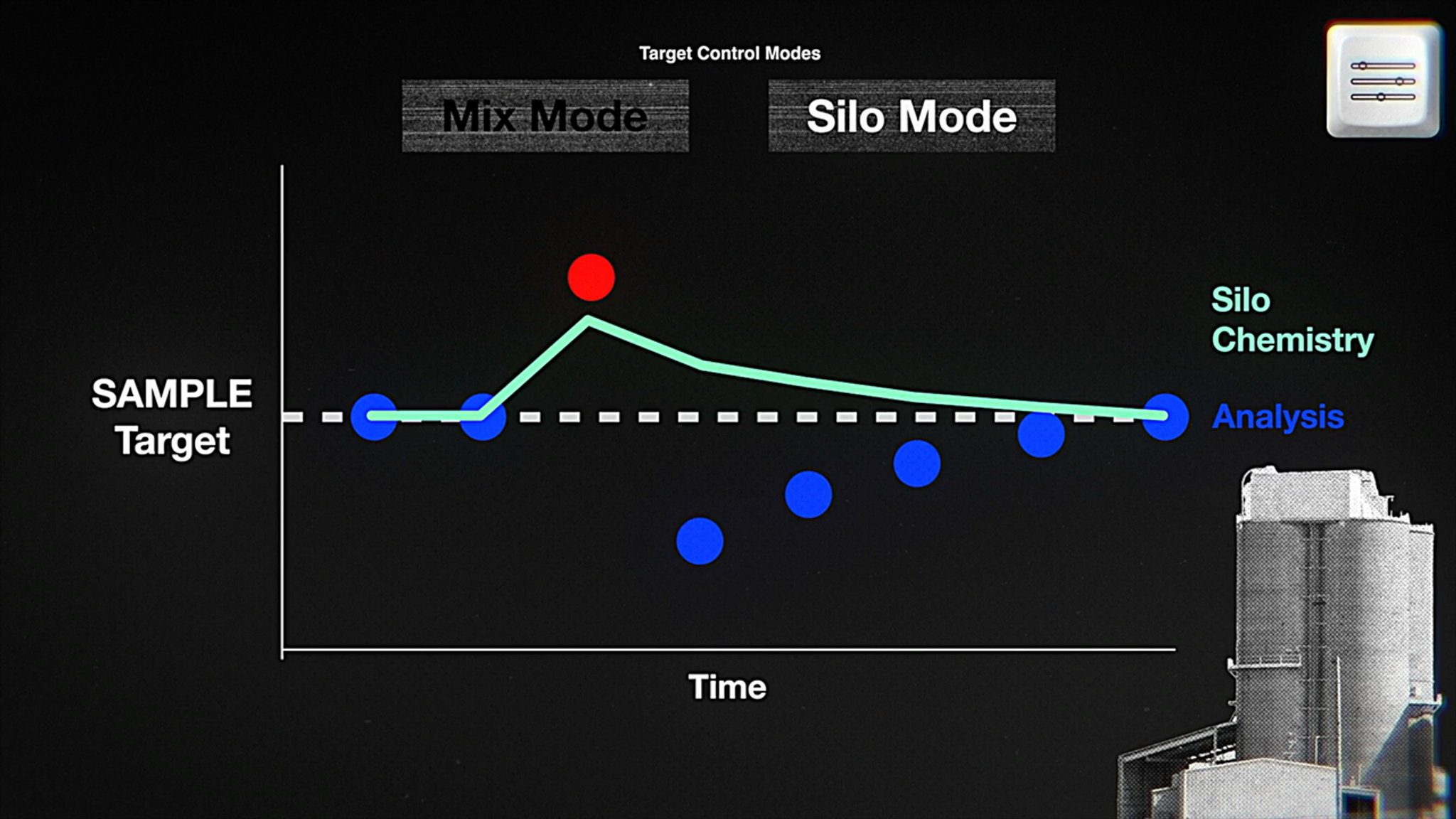
Mix Mode or Silo Mode: choose the target
Mix Mode keeps the material leaving the mill constantly on target, which suits plants where silo blending is poor or minimal. Silo Mode maintains the chemistry of the whole silo so that the material leaving it stays on target, which suits silos that blend effectively.
Online analyzer speed, laboratory accuracy
Online analyzers are intrinsically less accurate than a laboratory XRF. The software module, QCX/OnlineExpert, aggregates online measurements and applies dynamic bias correction by comparing online analyzer and laboratory XRF results. This provides the responsiveness of near real-time chemistry measurements while maintaining the accuracy required for reliable quality control. QCX/BlendExpert can also operate using laboratory XRF data alone.
When a feeder fails, priorities decide
Feeder failures are handled automatically. If a feeder blocks, QCX/BlendExpert redistributes setpoints across the remaining feeders - minimising process disruption whilst prioritising your most critical targets. The software will also account for under- or over producing feeders in it’s setpoint calculations, meaning quality can be maintained, regardless of feeder performance.
Room for lower-cost materials and alternative fuels
Cost optimization is a control feature where lower-cost or less energy-intensive raw materials can be prioritized, whilst still achieving the desired product quality. QCX/BlendExpert can also support multiple raw material types per feeder. Moreover, some alternative fuels introduce alkalis or chlorides that must be considered when the chemical targets are designed, and QCX/BlendExpert is built to handle them. With stable LSF control, you can achieve higher alternative fuel substitution rates without jeopardizing clinker quality.
LSF standard deviation shows the result
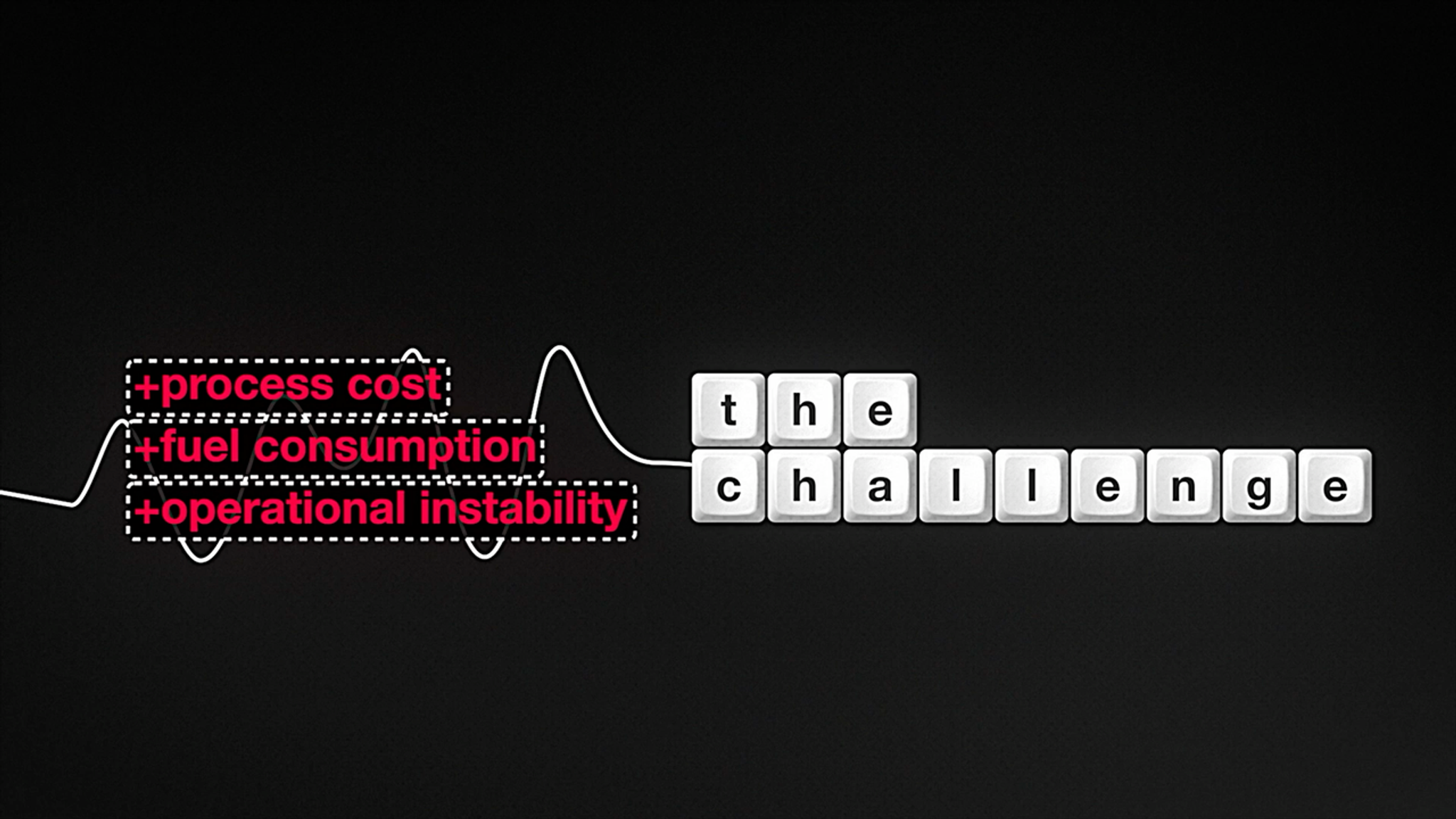
Higher LSF standard deviation in raw meal and kiln feed increases process cost, fuel consumption and operational instability. A recent study has shown that for a 6000tpd plant, a +1 increase in kiln feed standard deviation can result in more than $200,000/year in additional energy costs. QCX/BlendExpert has demonstrated significant reductions in LSF variability in sites across the world, with some plants achieving reductions exceeding +1 in the kiln feed standard deviation.


One control logic from stockpile to cement mill
Beyond the raw mill, the same logic of tracking, estimating and adjusting extends to stockpiles, cement mills and other blending systems. QCX/BlendExpert Pile continuously models stockpile chemistry and determines the optimal material proportions to meet downstream quality requirements.With mill and stockpile control combined in one system, the estimate of the reclaimed material can feed forward into raw mill control, which also helps reduce the quality issues often associated with pile end cones. At the cement mill, QCX/BlendExpert uses XRF and XRD data to control cement chemistry and mineralogy, automatically selecting the appropriate control strategy for each cement type.
QCX/BlendExpert is tailored to your plant and process. It can be configured for any number, type and make of mills and feeders, and it works in tandem with our other QCX® quality control solutions, such as QCX/AutoSampling and QCX/RoboLab. At the same time, it is compatible with most other plant control and quality control systems as it can run as standalone software.
Once in operation, its performance is easy to follow. Live dashboards show trends and KPIs while QCX/Reporting provides shift, day and month reports on chemical performance, so you can track LSF standard deviation.
We understand you need to operate 24/7/365. QCX/BlendExpert helps you achieve that: it keeps a direct watch on feeder operation, so faults are found quickly, and is built to maintain chemical control through upset conditions. For round-the-clock expert online monitoring, support, maintenance and troubleshooting, you can add our optional PlantLine Service Agreements.
The payoff is at the kiln. Consistent raw mix chemistry means steadier kiln operation, and a steadier kiln uses less fuel, has fewer and shorter stops and allows stricter control of emissions.
Related Offerings




.png?w=1080&q=80&auto=format)