This webinar is part of the Cemtech Live Webinar series, recorded 4 July 2024.
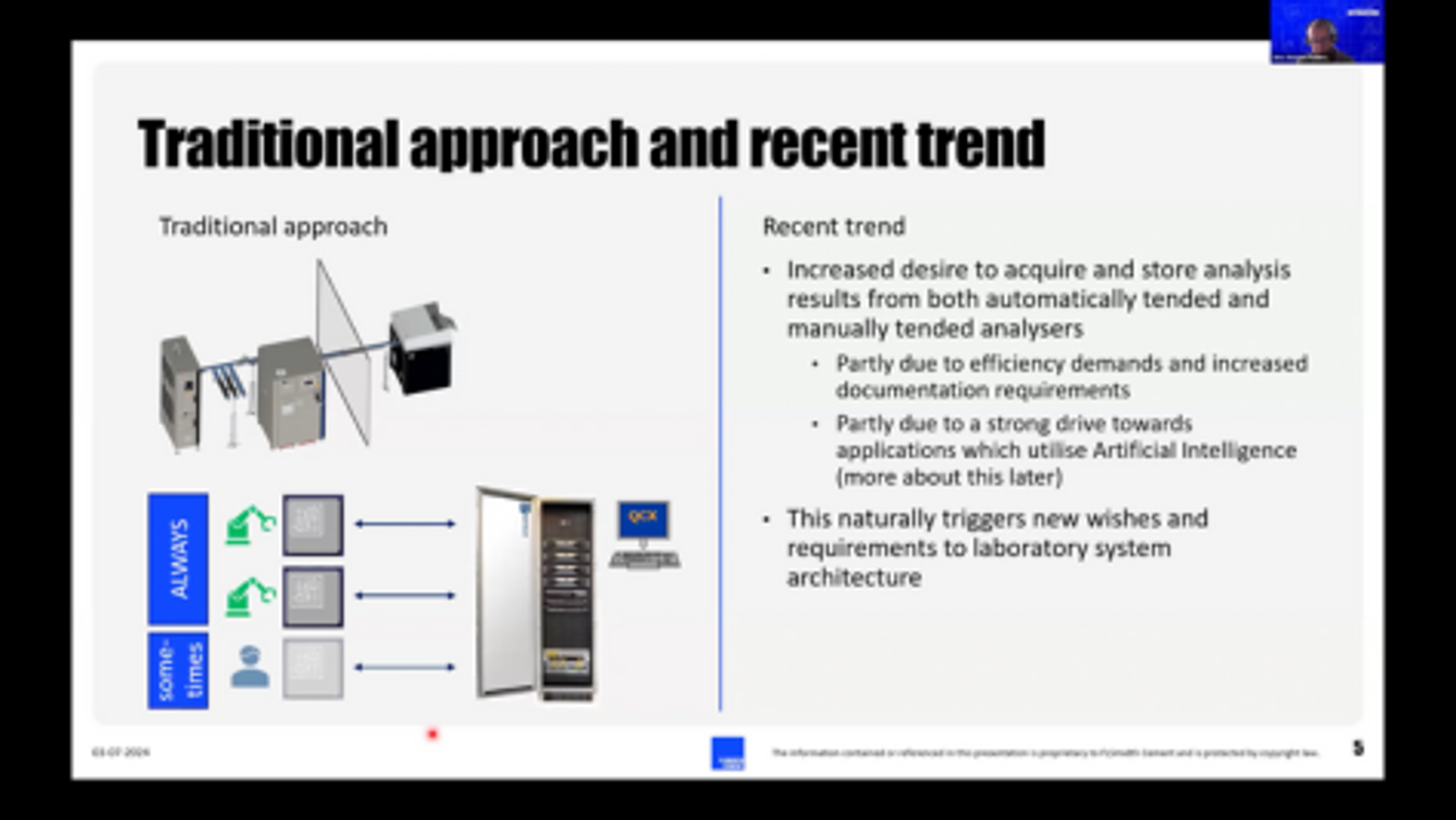
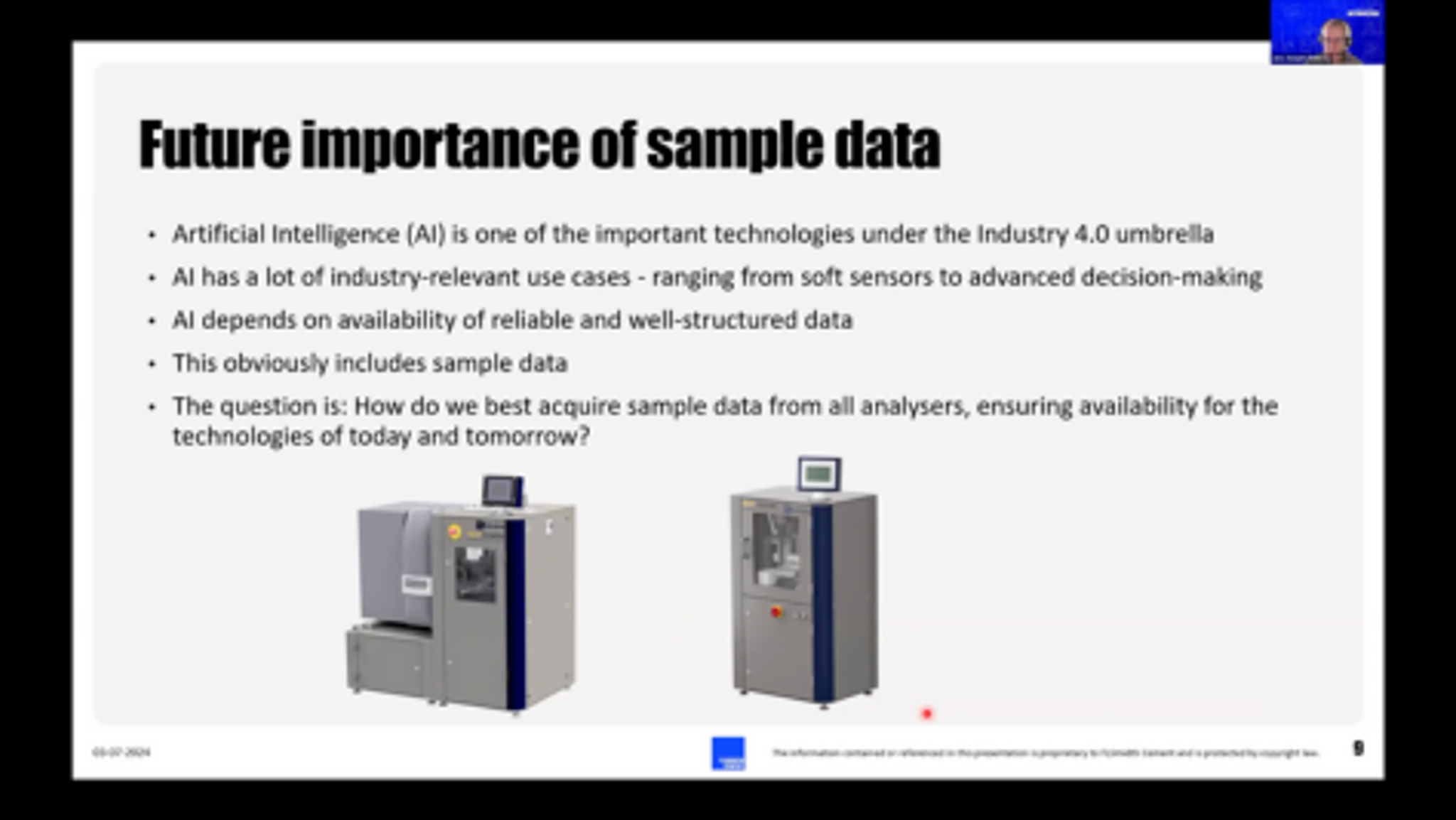
When we talk to our customers, we see an increased desire to acquire and store analysis results, not only from the automated analyzers, but also from the manually attended analyzers in the lab. This shift from earlier approaches means critical insights no longer remain scattered across handwritten logs, printouts, and Excel sheets—data that could optimize your raw mix, reduce fuel consumption, and predict equipment failures.
For many cement plants, fragmented laboratory data can create costly blind spots.
While automated analyzers reliably feed results into central systems, data from manually operated equipment—often your most critical quality checks—disappears into fragmented workflows. This "data leakage" creates vulnerabilities that separate plants using advanced optimization from those working with incomplete information.
Structured Sample Data Infrastructure: Planning for Today's Needs and Tomorrow's Technologies
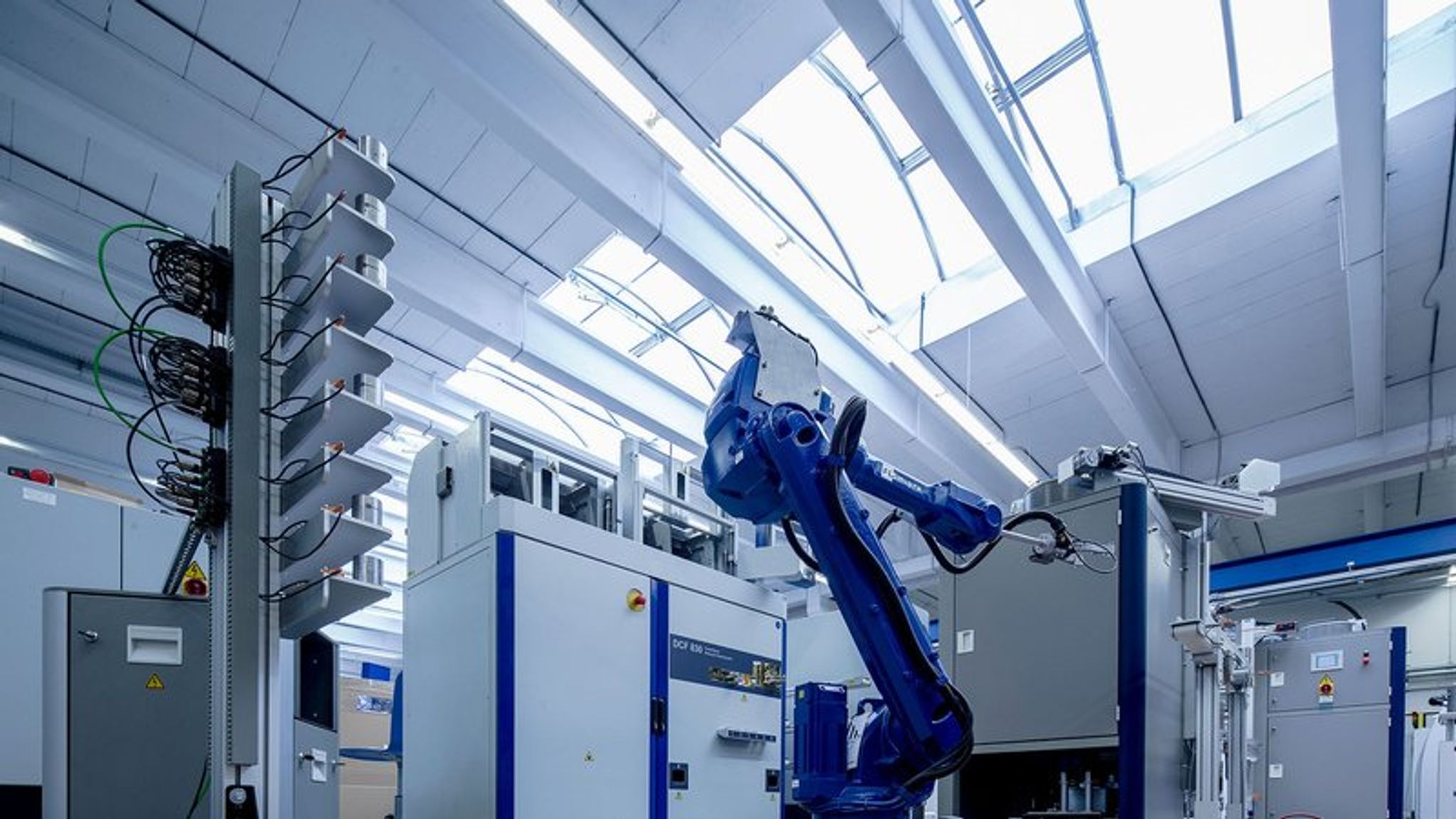
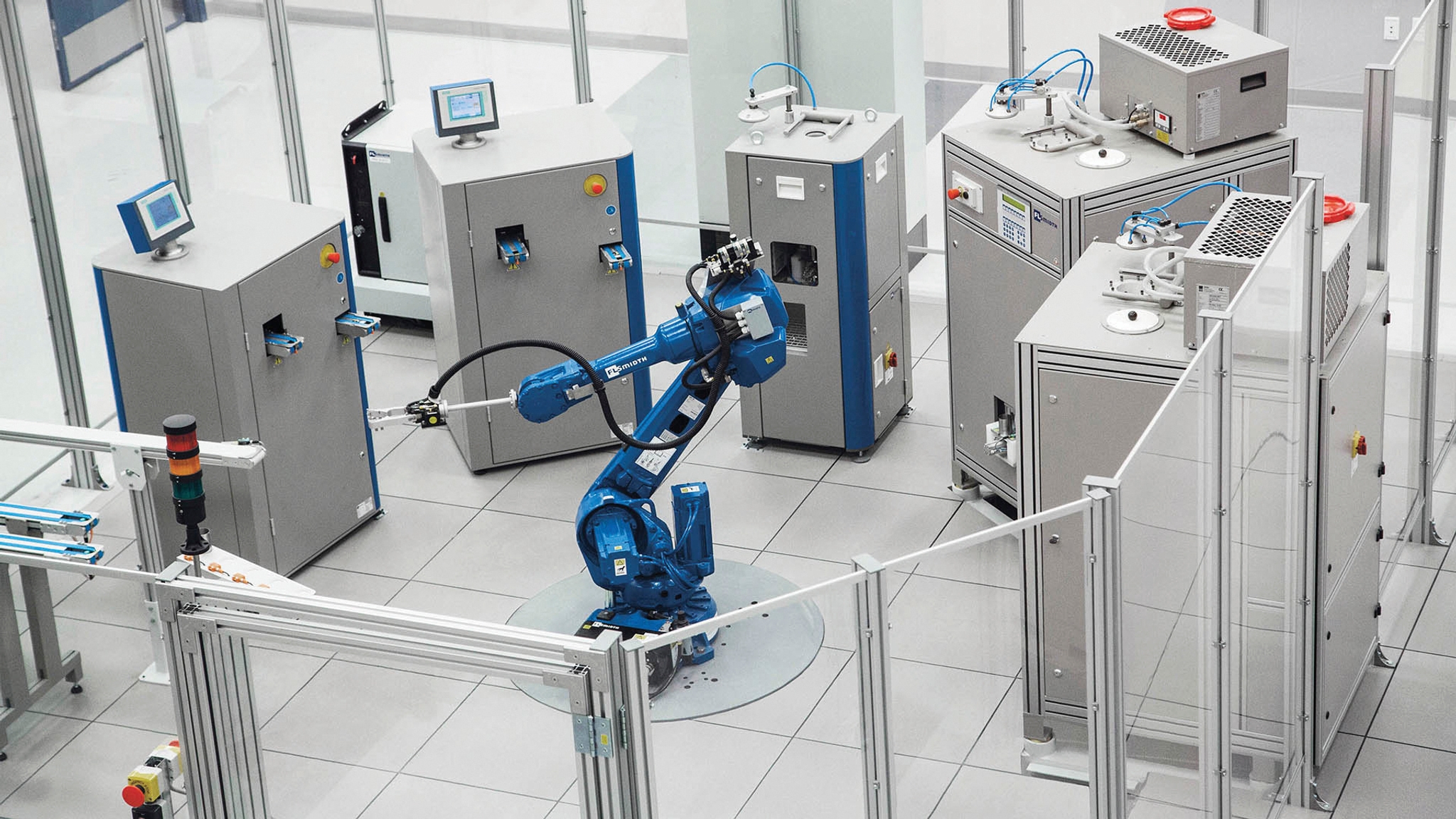
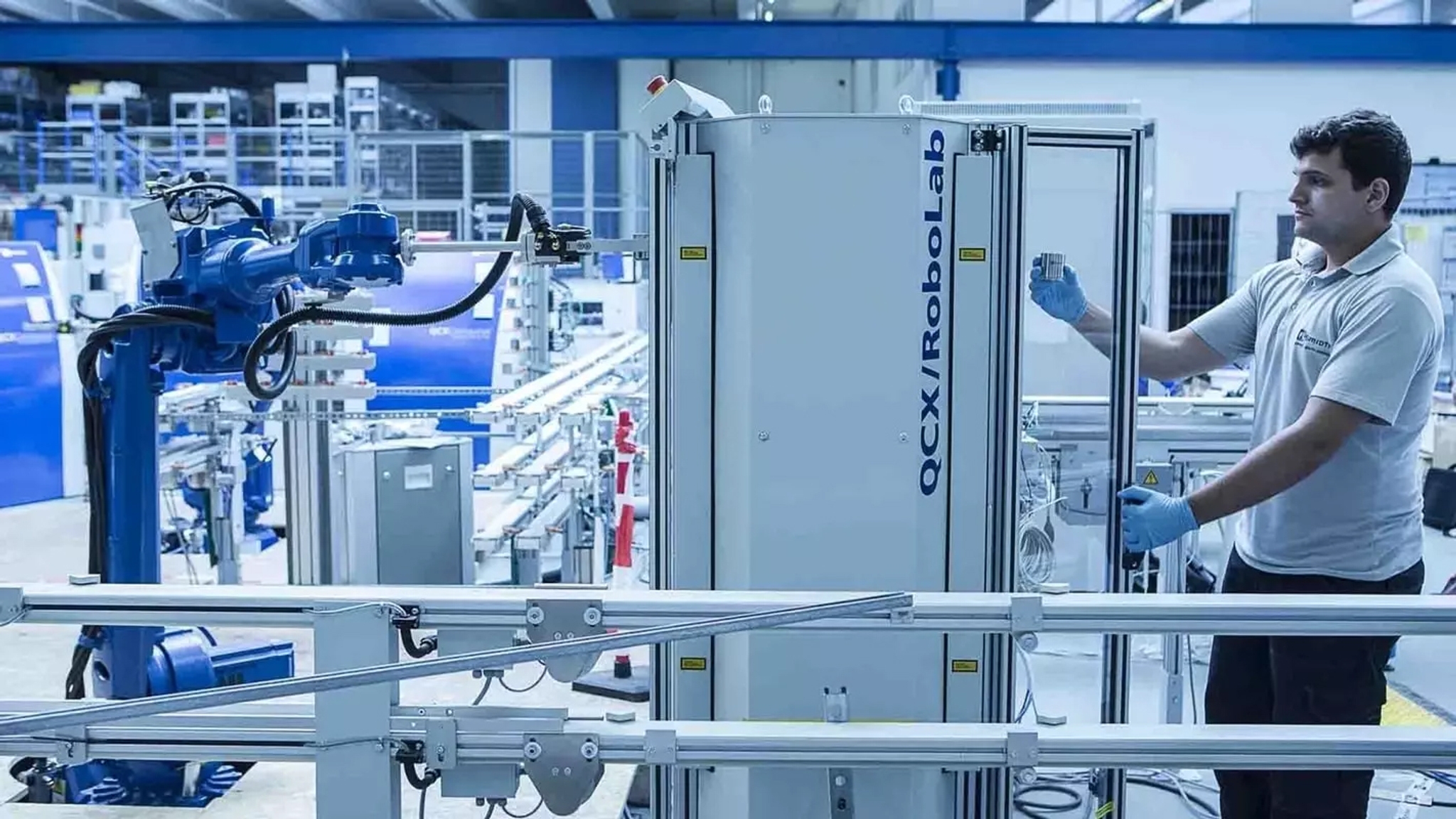
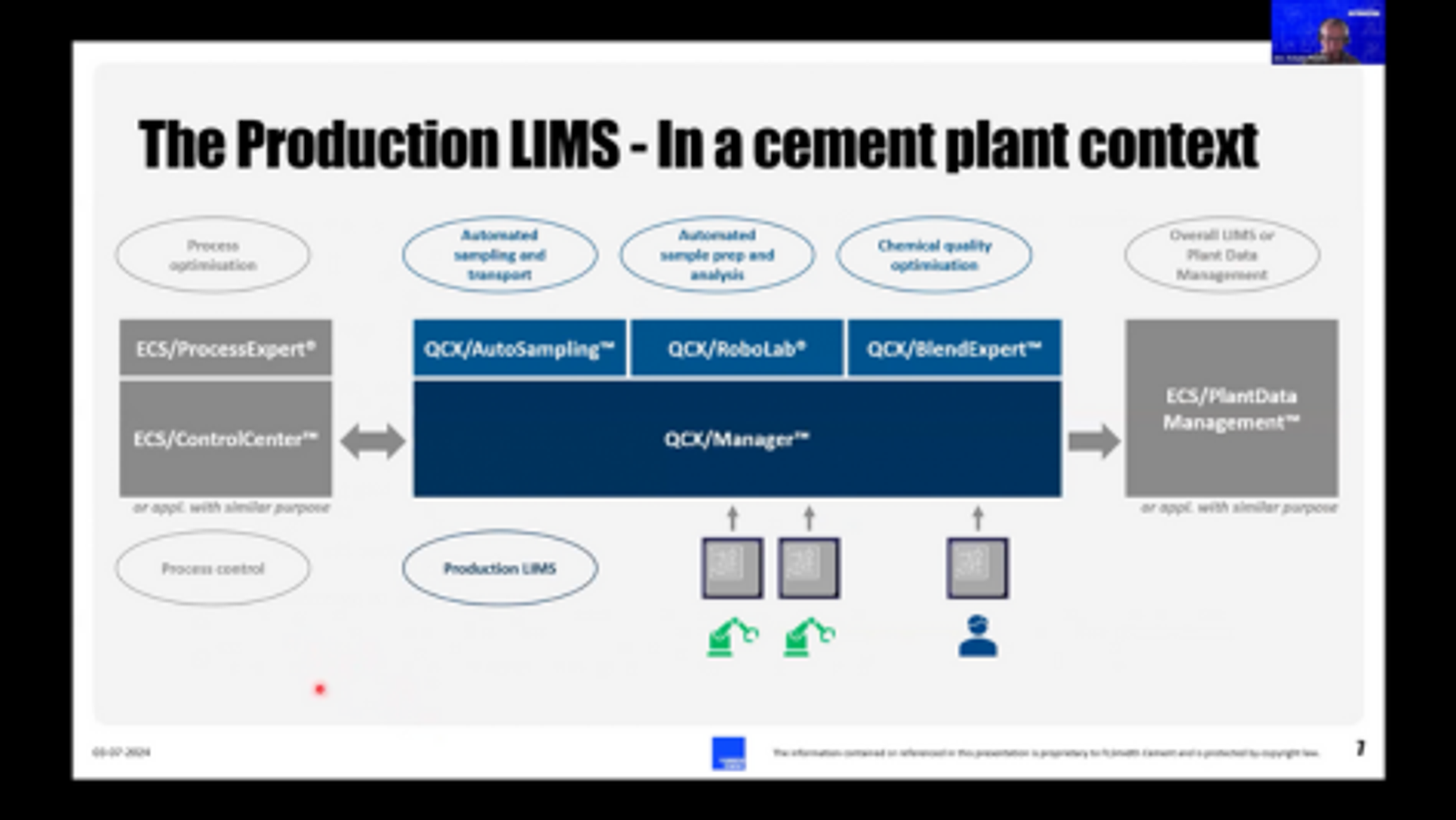
Fuller's QCX® approach transforms fragmented lab operations into unified data ecosystems. Capturing every result—automated and manual—through intelligent infrastructure planning helps cement plants build foundations for immediate productivity gains and future technology applications.
Featured Expert
Jens Asbjørn Pedersen, Global Product Manager – Sampling, Preparation, and Analysis
Specializing in laboratory automation infrastructure and data management for cement production. With extensive experience helping cement plants navigate complex automation investment decisions, Jens Asbjørn Pedersen guides organizations through the practical realities of laboratory modernization.
Key Insights include:
- Infrastructure Planning Imperative: Why careful planning of sample data infrastructure is becoming increasingly important
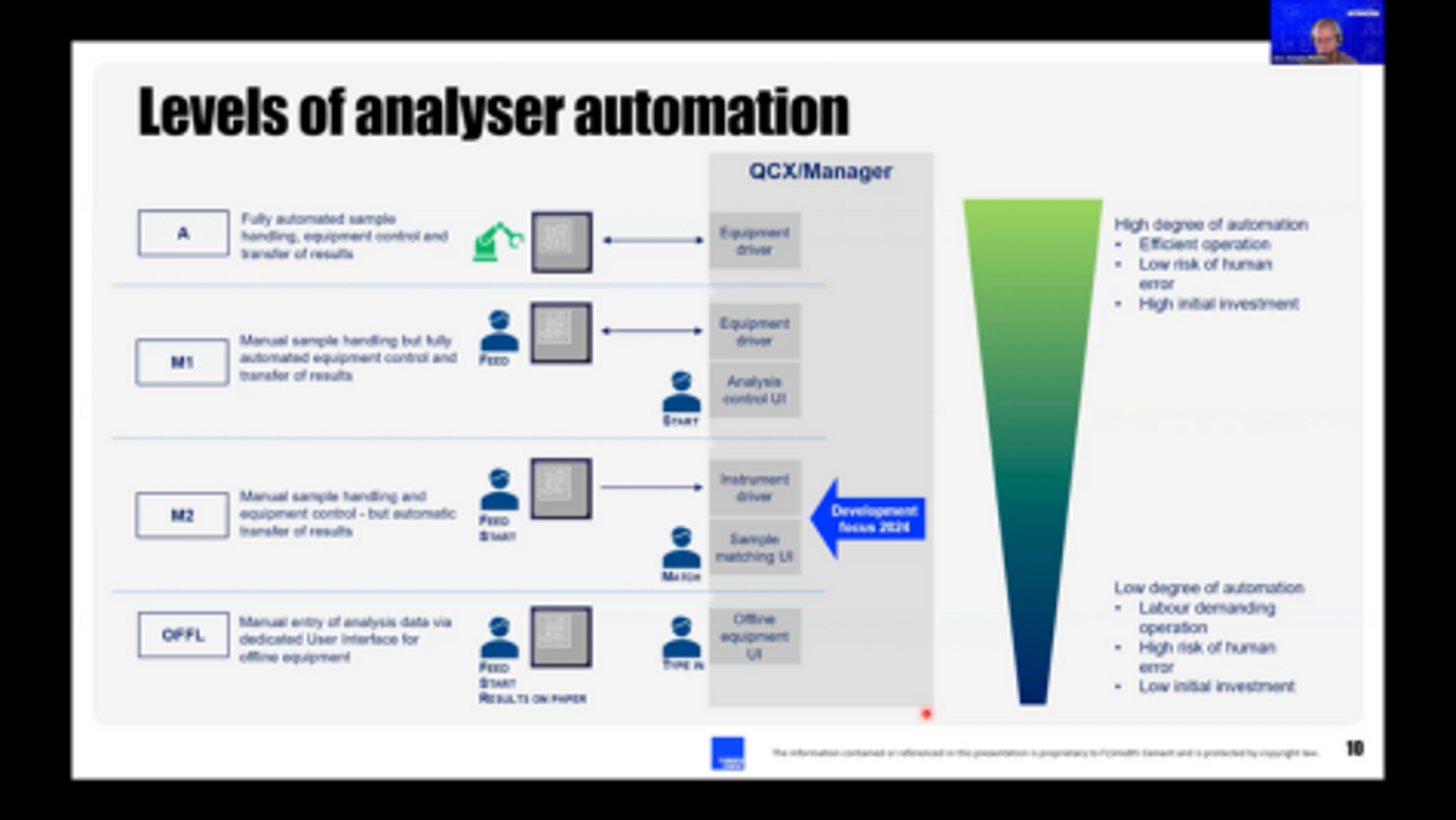
- Automation Investment Hierarchy: Understanding different levels of automation and where to focus development resources
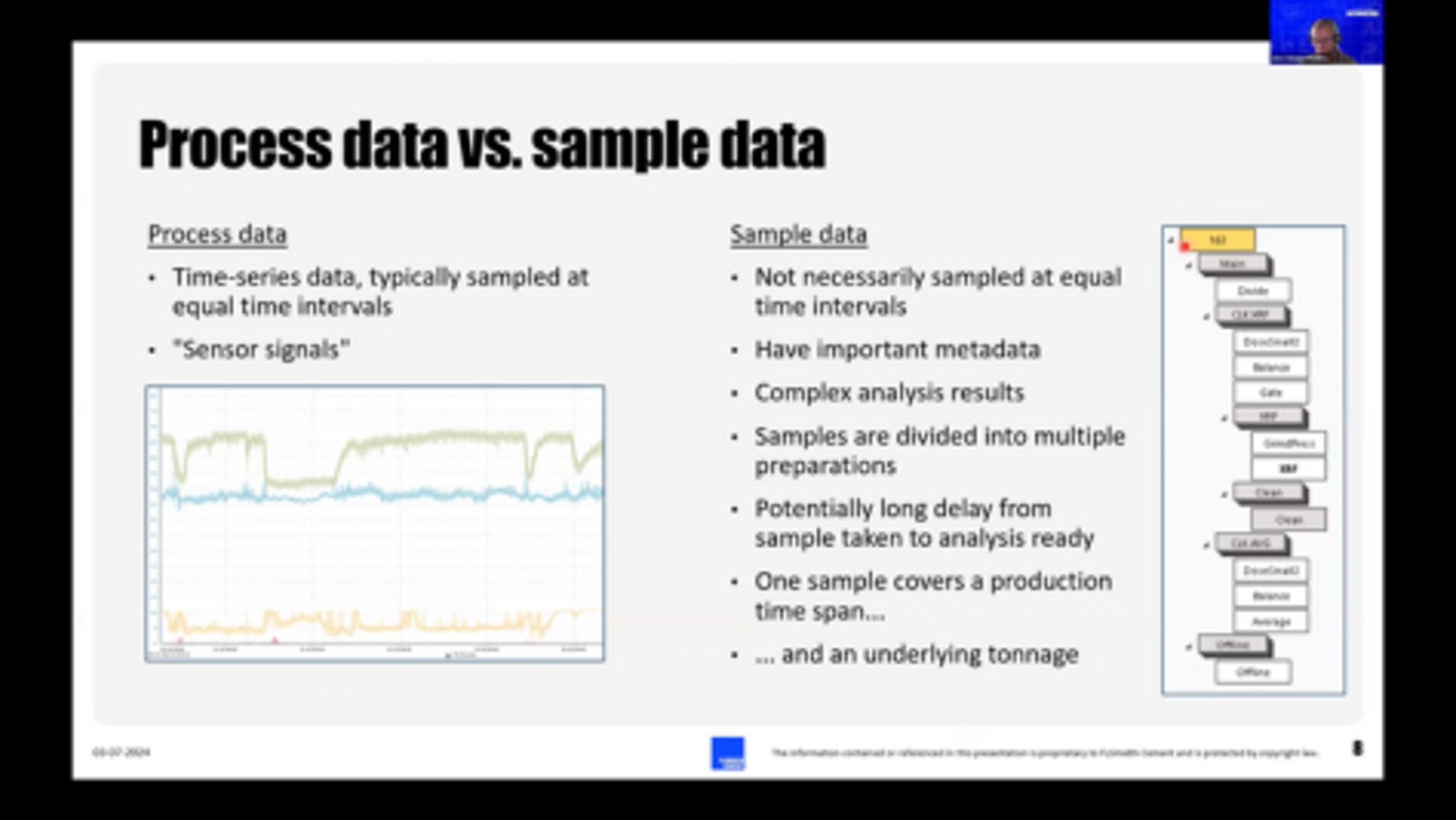
- Sample Data Complexity: Recognizing that sample data can be pretty complex in terms of structure compared to process data
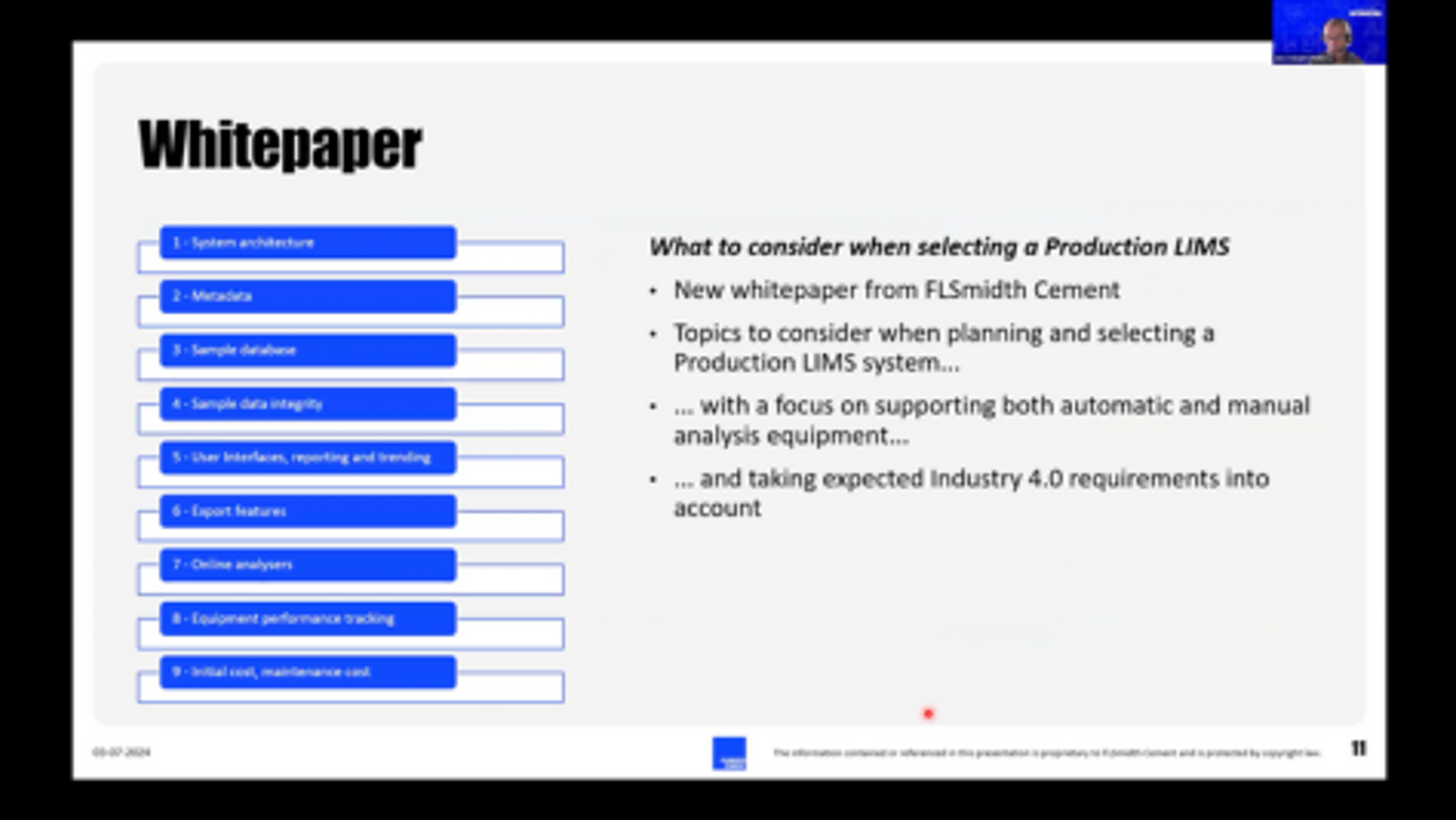
- Future Technology Readiness: How proper data structuring supports both current operations and technologies being planned for implementation

.png?w=2048&q=80&auto=format)





.png?w=1080&q=80&auto=format)