The shipping forecast
Manufacturing wasn’t the only area experiencing delays, as Jennifer Mory, a Logistics Project Manager at Fuller, explains:
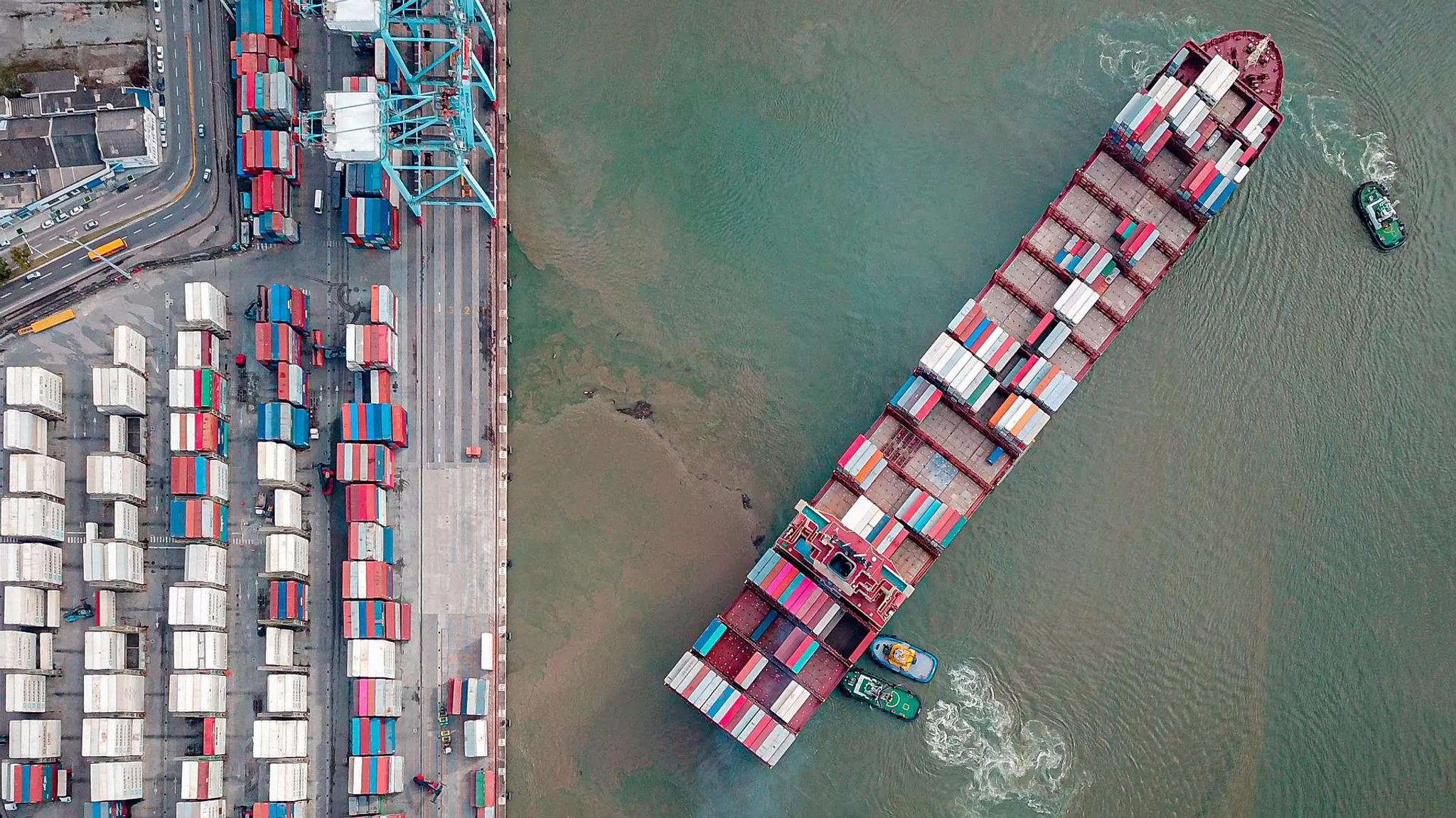
“No one anticipated a shipping crisis when this contract started. But in the fourth quarter of 2020 we started hearing that shipping containers were not available, especially in China. Our forwarders were anticipating that things would improve – but that didn’t happen. There were no empty containers available and no space on available on vessels. Like the rest of the world, we had to ‘pivot’. In our case that meant shipping break bulk rather than shipping in container vessels.”
The first shipments were made in February 2021. Normally, shipments would go in containers, and these containers are given to the customer as additional storage on the job site. Instead, we were having to make shipments in break bulk vessels – either with or without MAFI trailers. Not ideal, but workable. However, the problems didn’t end there.
“With so much congestion in the Port of Los Angeles, shipping via our normal routes was not an option. Vessels were stuck in port there for weeks and even longer waiting to be unloaded. On top of that, a shortage of truck drivers made overland shipments difficult. Again, we had to adapt. Cargo was sent into Houston, Charleston or San Diego to reduce wait times and get the cargo to the customer as quickly and safely as possible. The biggest pieces – such as the gear box and mill table – went into Port Hueneme and Long Beach, the closest ports we could get into without suffering unmanageable delays.”
_Raw_and_Cement_Mill.png?w=2048&q=80&auto=format)