13th Jul 2026
Industrial Calcined Clay - Proven Systems, Proven OutcomesEnviroTech London 2026
Low-carbon cement with calcined clay
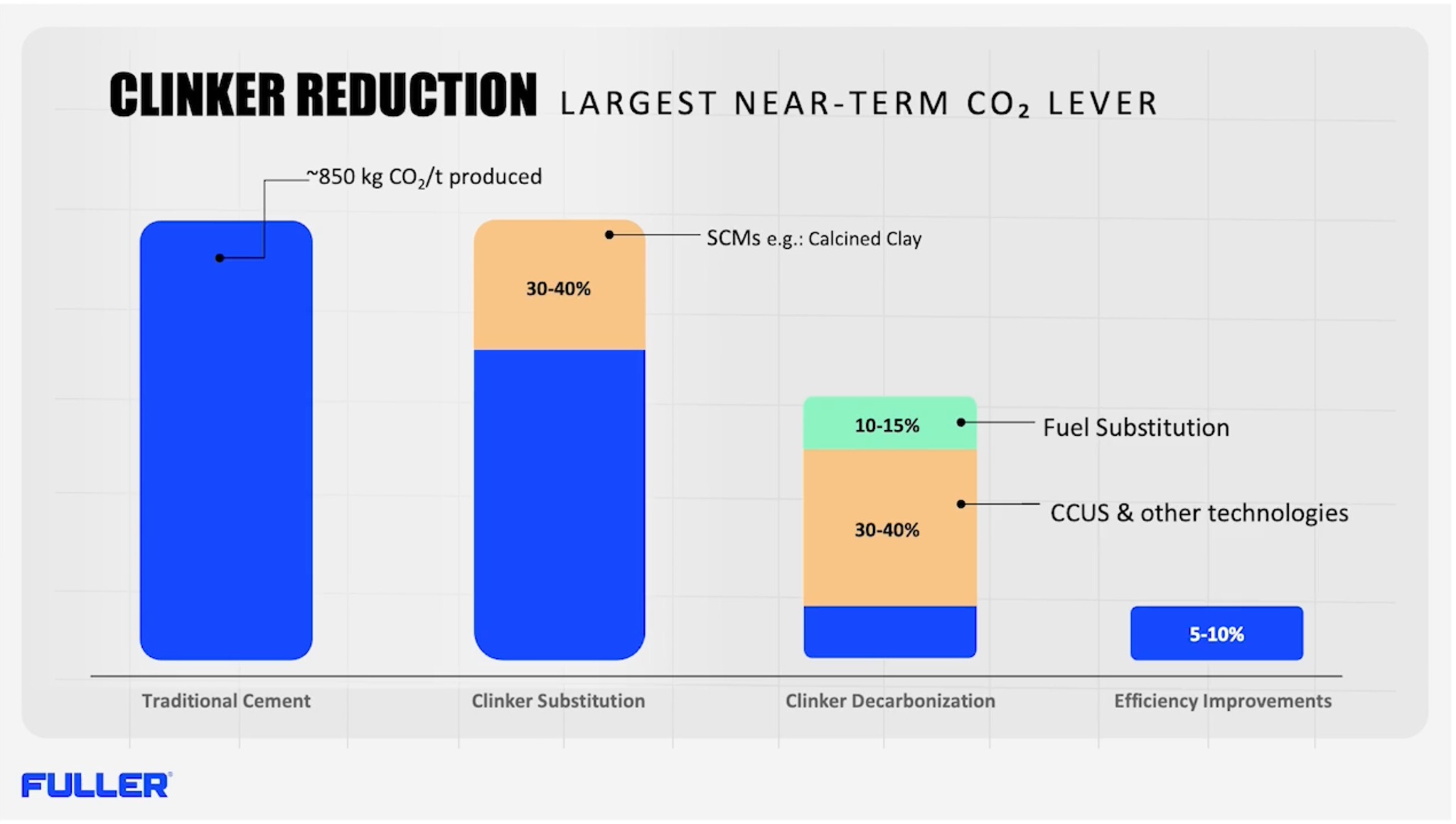
The single largest near-term CO₂ lever for the cement industry is still reducing the clinker factor. And the drivers shaping the SCM markets right now are exactly why calcined clay has emerged as one of the most promising. Clay deposits are widely available, and calcined clay can support low-clinker cement without compromising strength development or durability.
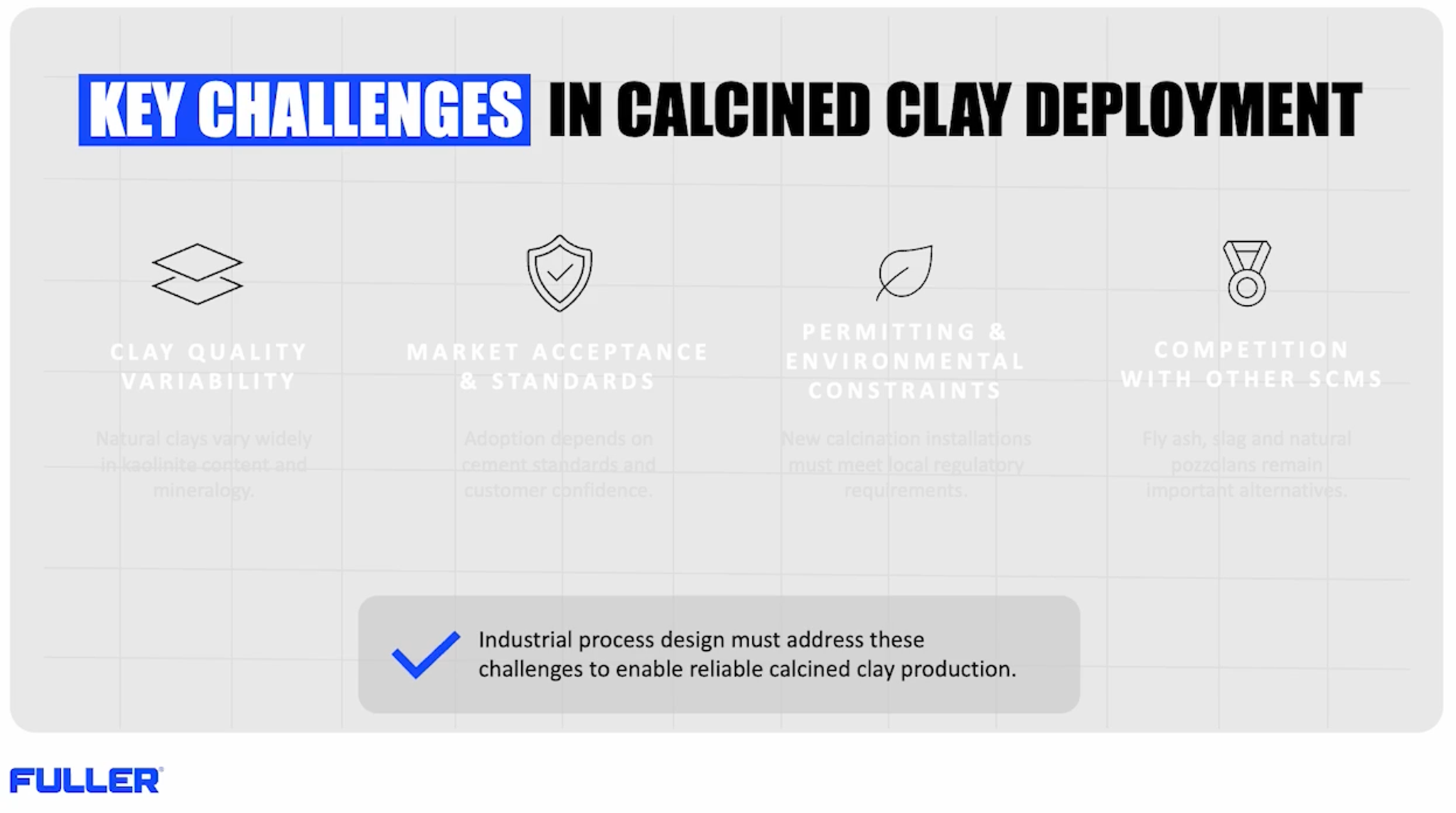
Agreeing on the benefits was never the problem. But producing low-clinker cement with calcined clay consistently, profitably, and at scale, under real-world variability, all while competing with traditional SCMs on availability, quality and price - that is the real challenge.
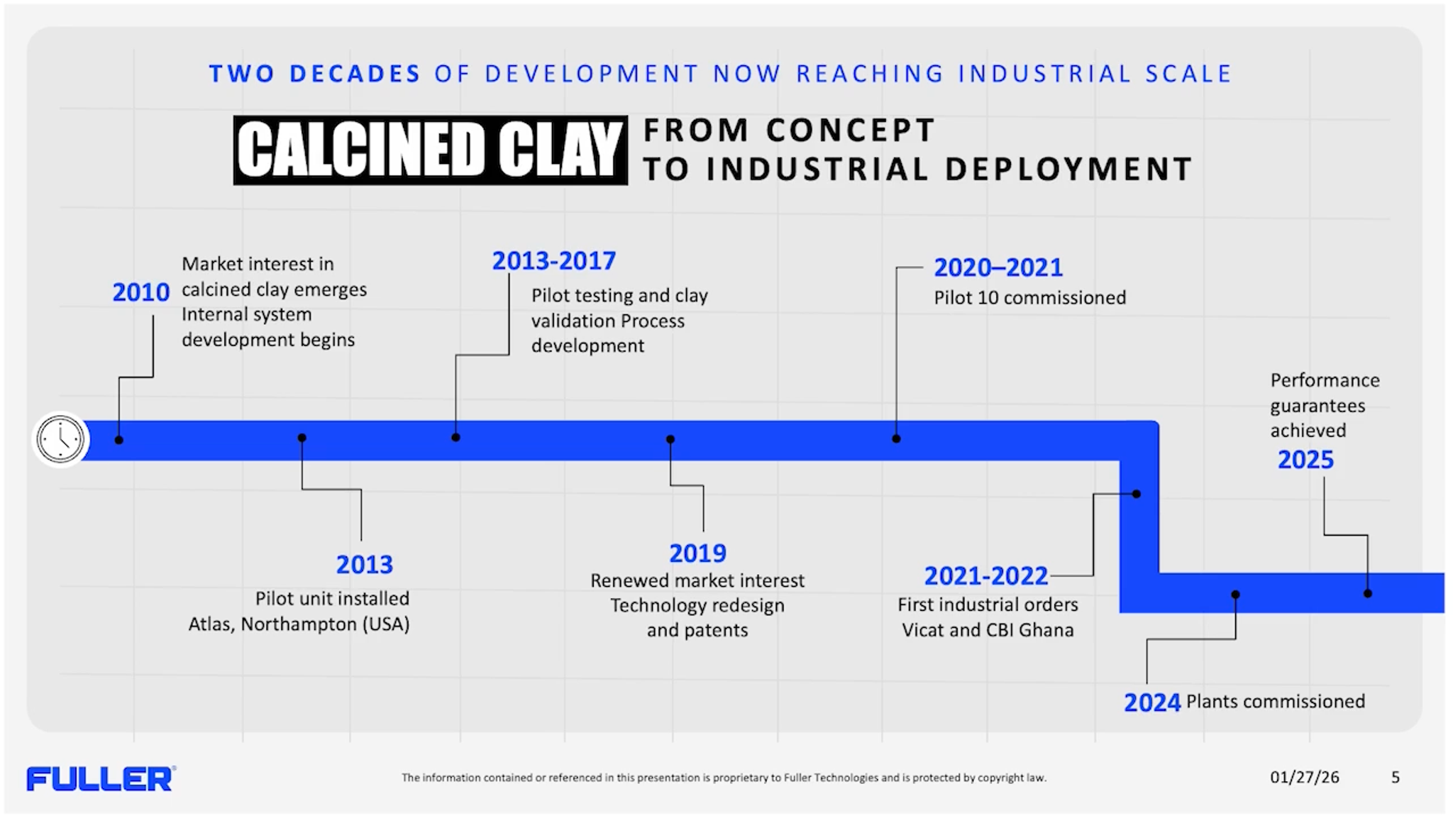
From concept to industrial deployment
That challenge isn't a single-variable problem. Activation has to work reliably. The process also has to manage deposit variability, hold product quality across the fuel envelope and meet many other process requirements - each of which had to be solved during the journey. That is why a calcined clay plant is a flowsheet decision, not a unit add-on: the system has to be designed for all of it.
It took us nearly two decades to get there and bring calcined clay from R&D promise to industrial scale. The path wasn't straight. From internal system development to our first pilot in 2013, through years of continuous research and development, a technology redesign and patents on the way to our next pilot in 2020 - and finally to the commissioning of two plants with strong partners in 2024.
Today, both plants are running and producing calcined clay for low-carbon cement. Both have met their performance guarantees. The system is proven and so are the outcomes. Consistent SCM performance with calcined clay plants is possible.
Featured Expert:
Kiranmai Sanagavarapu (Kiran) works on industrial decarbonisation, with experience spanning process engineering, product leadership, and commercial deployment in the cement and building materials industry. Her work focuses on how existing industrial systems can be adapted to meet climate and sustainability goals without losing sight of operational and economic realities.
She currently serves as Director of Low Carbon Solutions at Fuller Technologies, leading the company's portfolio of CO2-reduction technologies across materials, fuels, and process optimisation.
Key insights include:
- Lessons learned from two decades of development.
- The key challenges in deploying calcined clay at scale, and how to address them.
- The process conditions behind effective and reliable clay activation, and what real market-readiness takes.
- Considerations for plant layout - and which steps matter most in the process.
- How the performance guarantees were met at two industrial installations.
Watch the presentation now for the full journey from calcined clay R&D to two industrial plants - and the technology, decisions and lessons behind them.
Kiranmai Sanagavarapu, Director, Low Carbon Solutions, Fuller Technologies
From R&D promise to proven scale
Process conditions and technology for effective clay calcination
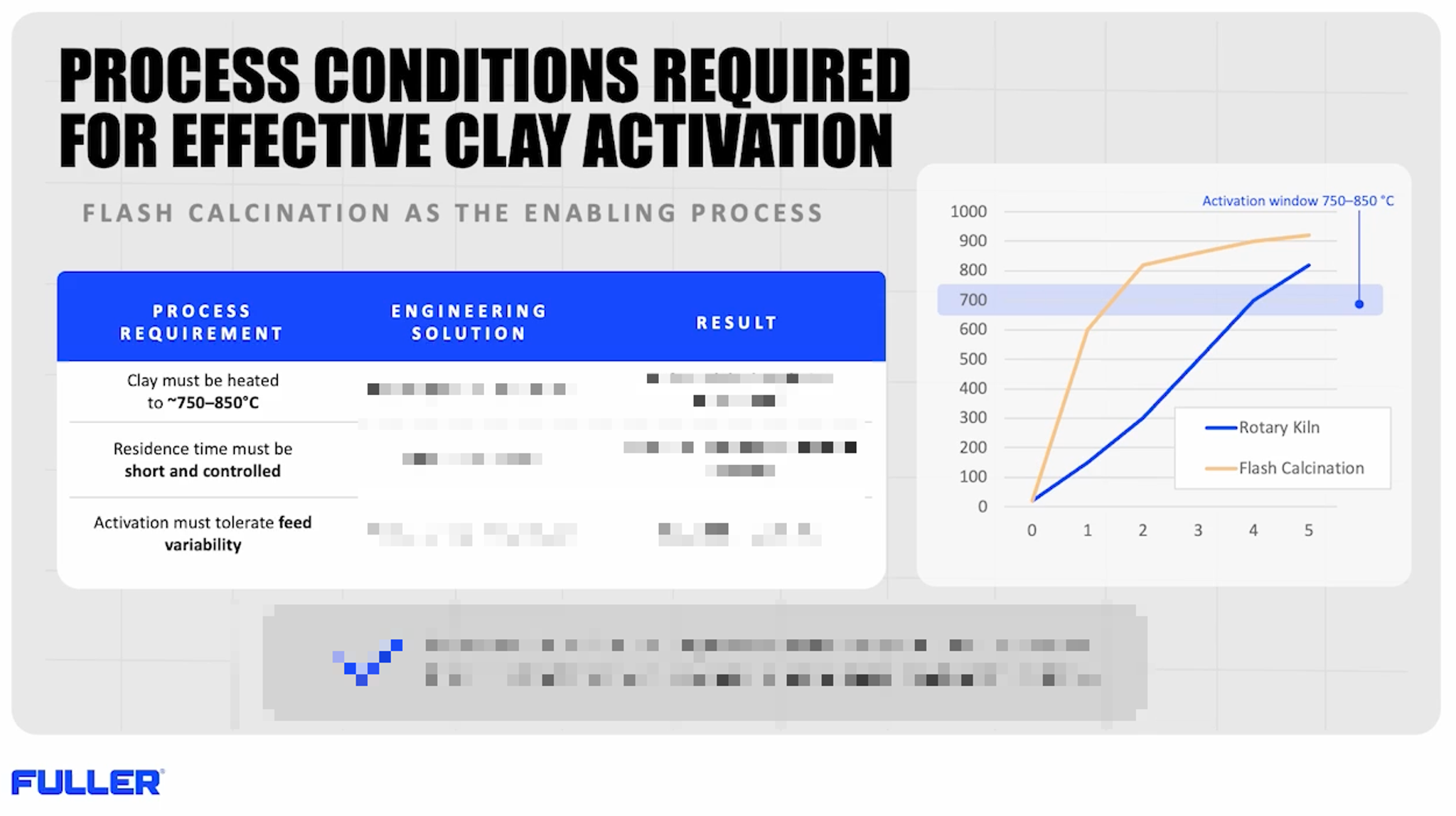
Effective activation sets hard conditions: the right temperature window, a short and controlled residence time, and a system that can absorb feed variability - moisture included. We built the system to hold all three at industrial scale - and the design choices trace back to them.
Flowsheet decisions and calcined clay plant layout
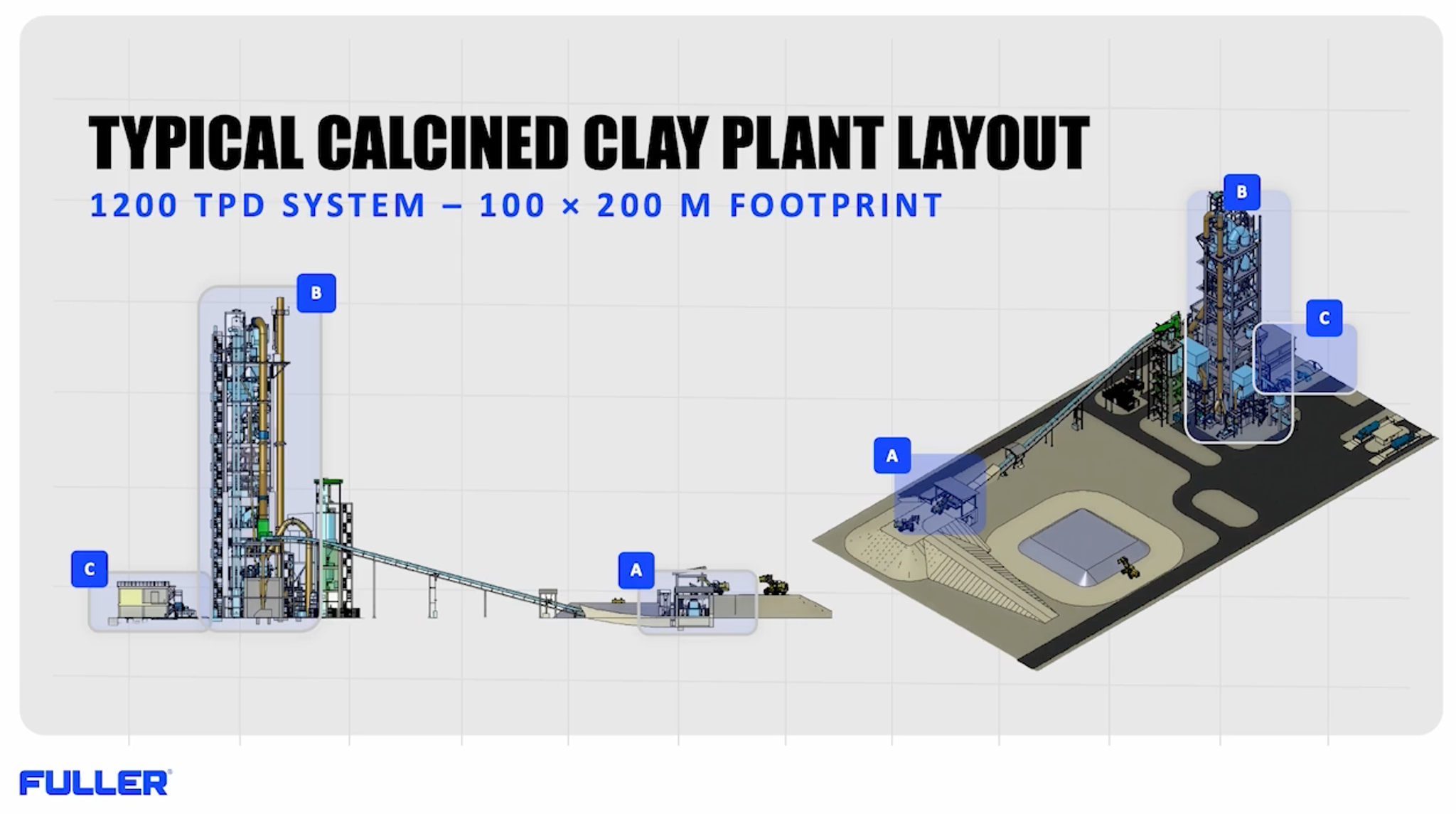
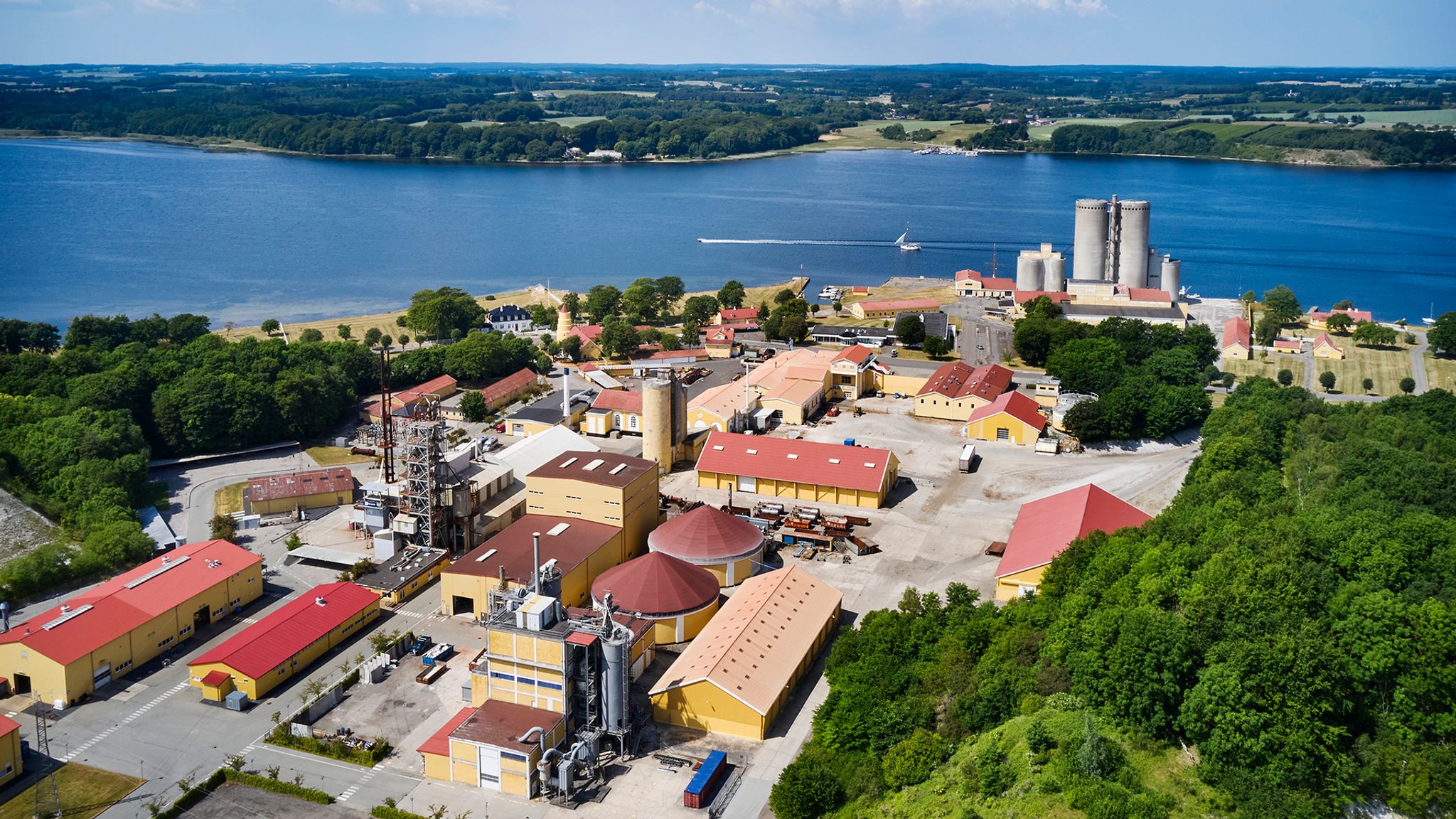
A calcined clay plant is not an addition to an existing line - it changes how the whole site is planned. What a real layout involves, where the decisions fall - and how the system comes together, from feeding to downstream.
Testing - why technology alone is not enough
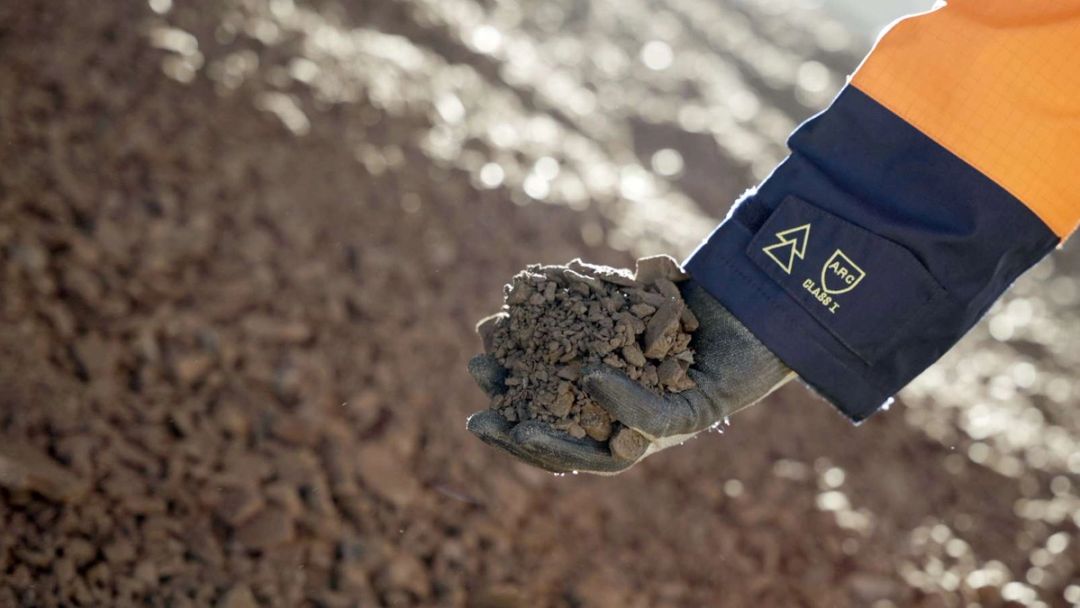
All clays might look similar - their mineralogy and reactivity are not, and they vary even within the same quarry. Technology cannot turn every deposit into a viable SCM - which is why testing comes first: what it reveals before capital is committed reduces risk and guesswork in the decisions that follow.
Operational flexibility and product control
The system has to run on the fuels available locally - without letting fuel choice touch product quality. How fuel flexibility and colour control sit on separate levers - and the patented process behind a colour the market accepts.
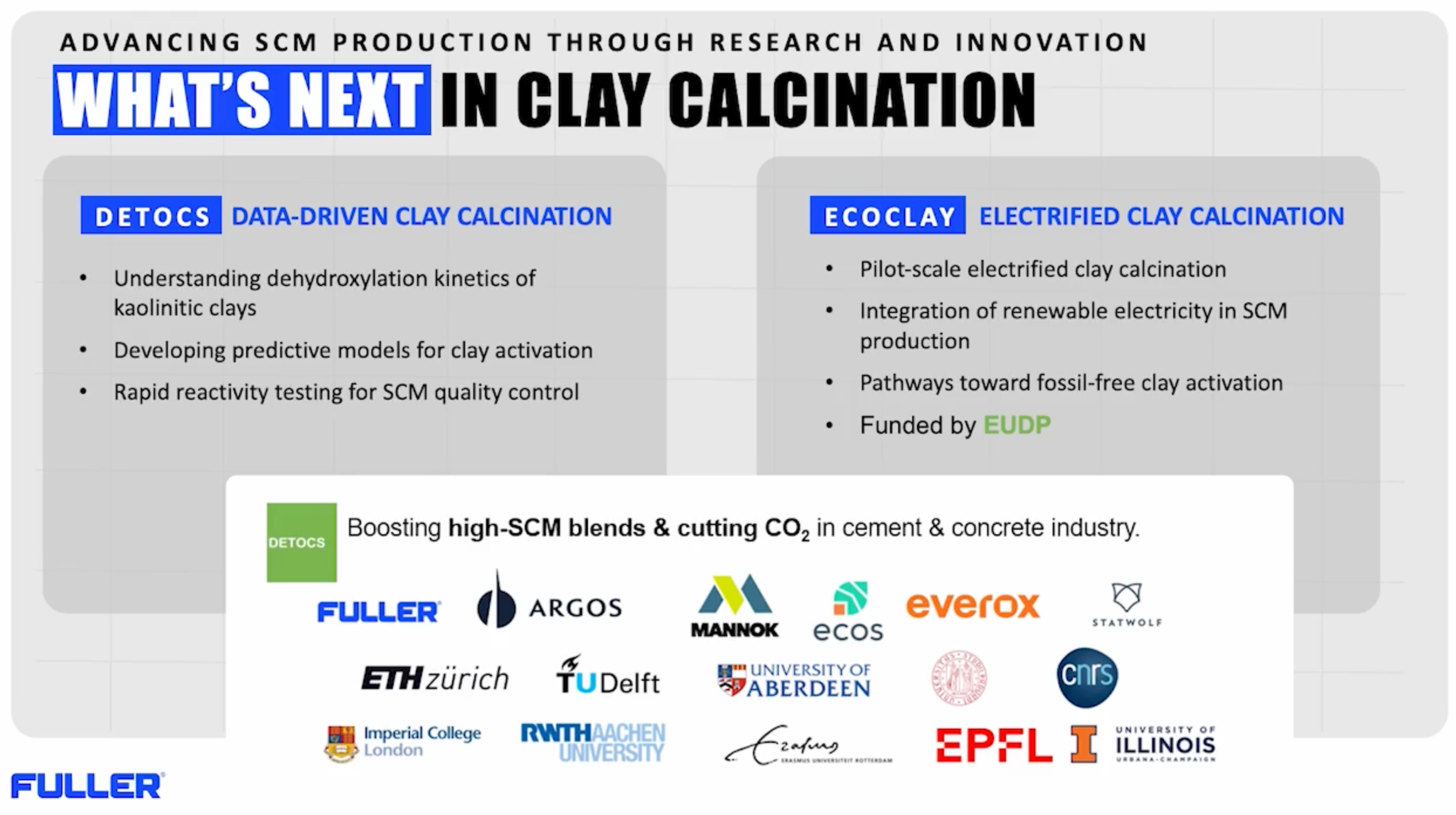
Advancing SCM production through research and innovation
Calcined clay is no longer a future SCM. Two industrial plants are running, and the product is selling into real cement markets today. Of course, there are more areas to explore to optimize the approach even further.
One angle is the digital space. Cement manufacturing thrives when all inputs are predictable - and SCMs add variability to the process. Moisture, LOI, chemistry, clay mineralogy: all of it has an impact. Plants need to fully adapt to that variability, not just survive it. Digital tools and data are the bridge between variability and control - they enable plants to respond fast enough, and to run more reliably and profitably. Another angle is the process itself: reducing its CO₂ footprint by integrating renewable electricity into SCM production.
We will continue the research, and the role of calcined clay in low-clinker cement is set to expand. So take the leap of faith - and take the ride with us.
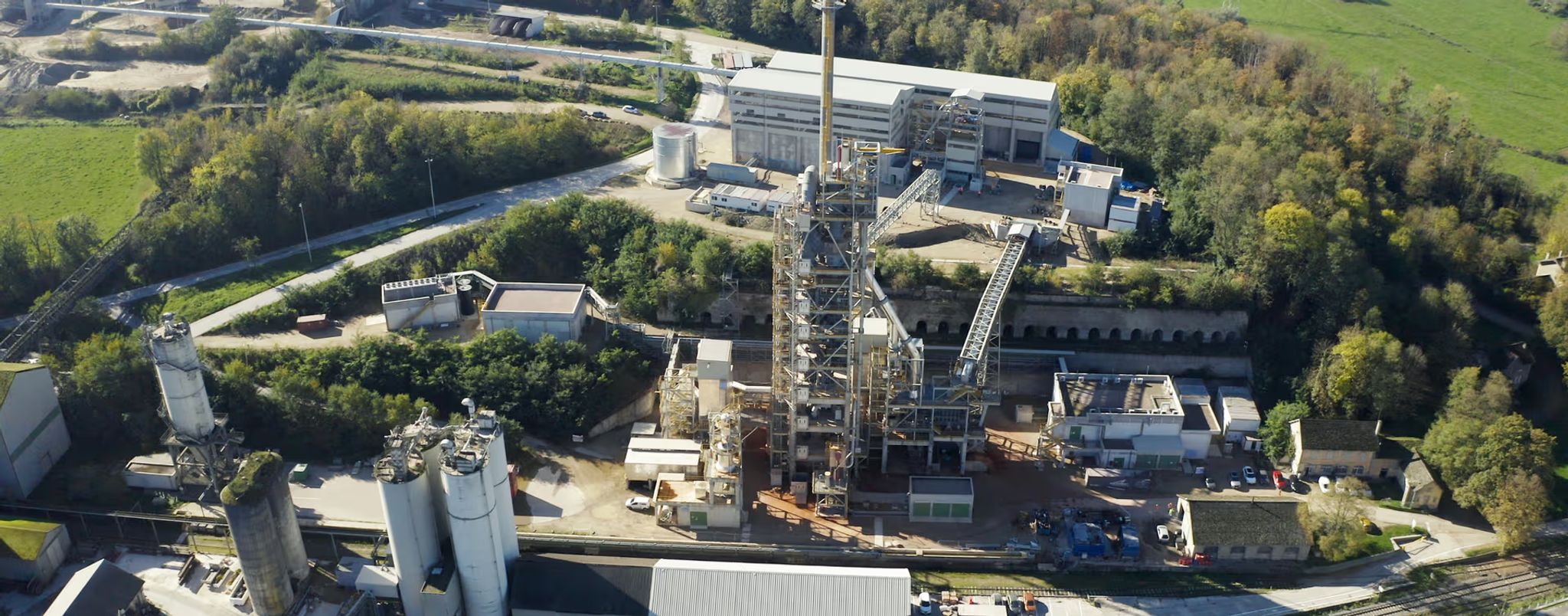
Eric Bourdon, Deputy CEO Industrial and Innovation, Vicat
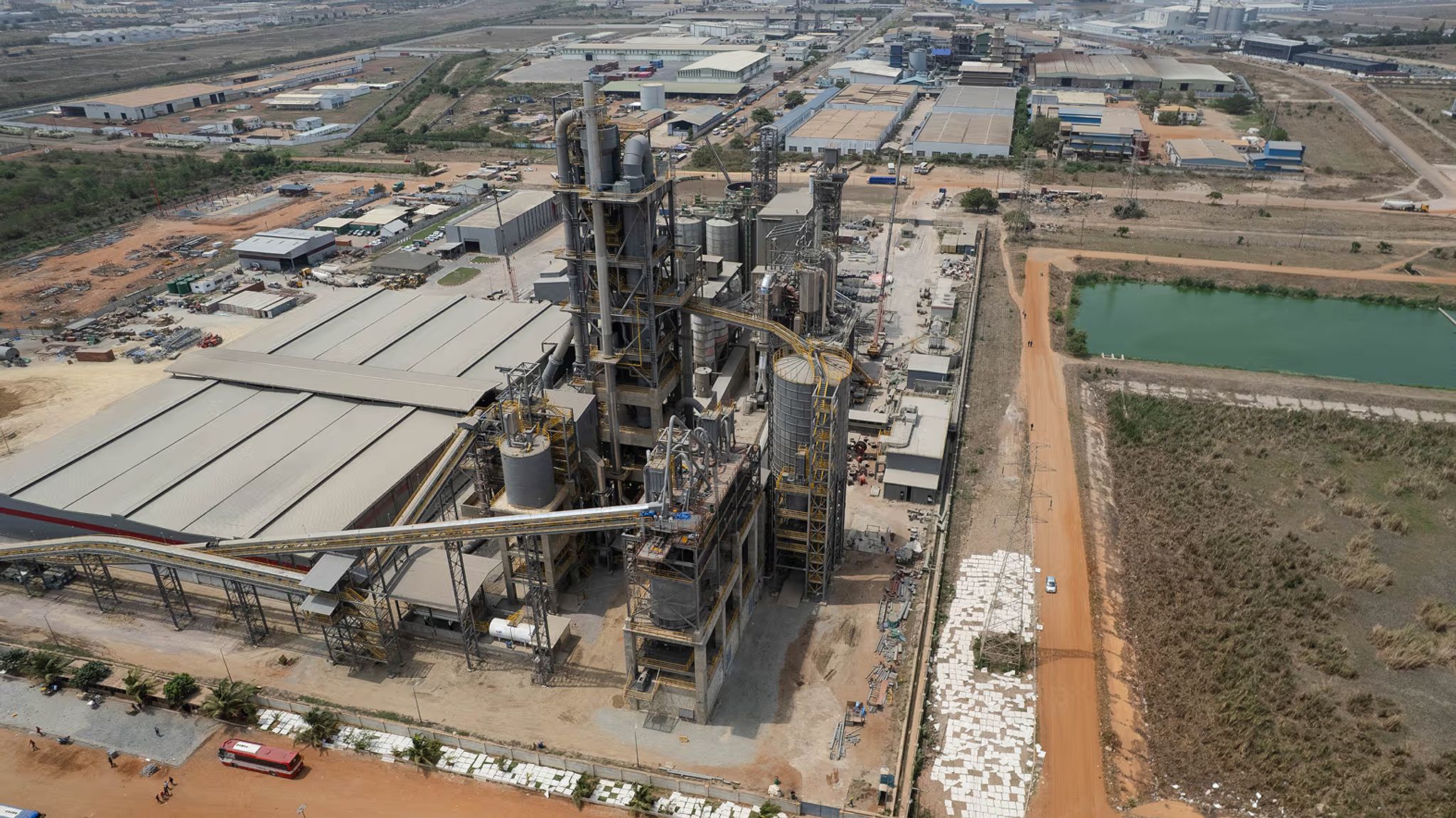
Kobby Adams, CBI Ghana
Related Offerings

Downloads
Calciner System for Clay Activation
Improve your productivity and reduce CO2 emissions
21.01.2026 |
1.32 MB |
English
Service Agreements for Calcined Clay Plants
Get more from your investment with bespoke expert services; custom packages to best match your plant’s requirements.
21.01.2026 |
442.52 KB |
English