Take the Guesswork Out of Pneumatic Conveying With Transport Testing
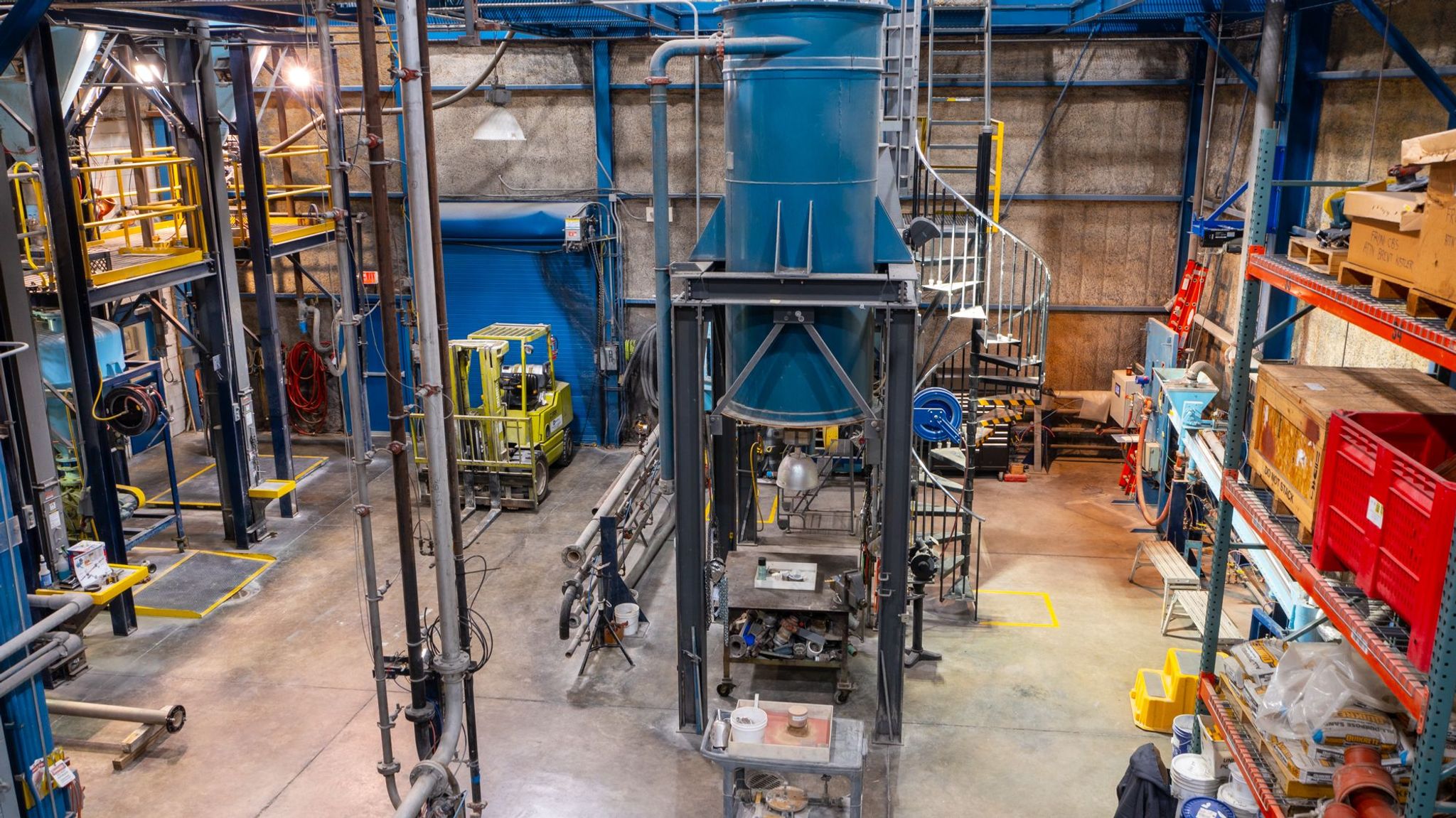
For over 35 years, our Pneumatic Conveying Test Laboratory in Pennsylvania has been quietly helping the global dry bulk handling market eliminate costly mistakes. We test your actual material in real conditions - from powders to pellets - because every material behaves differently.
The result? Thousands of successful installations worldwide. Systems designed right the first time. Problems diagnosed and fixed fast.
Before you invest in a new system or struggle with what's going wrong, test with the experts who've analysed 1,000+ materials.
0+Materials Tested
0+ Years Experience
0 ft²Facility
Why Test Before You Invest?
Handling dry bulk materials is complex. They can be abrasive, prone to attrition, sticky, cohesive, or have very high or very low density. If your system isn't designed for your specific material and composition, you're gambling with your investment.
Even materials that appear straightforward can surprise experienced operators. Uniformity can make a material seem attractive, but highly uniform particles can pack so consistently that conveying air simply channels through voids rather than suspending particles. What first appeared ideal becomes a transport liability.
The real question: Would you rather spend a few weeks testing - or spend months troubleshooting a system that doesn't work?
Pneumatic Conveying Testing Delivers Measurable Results
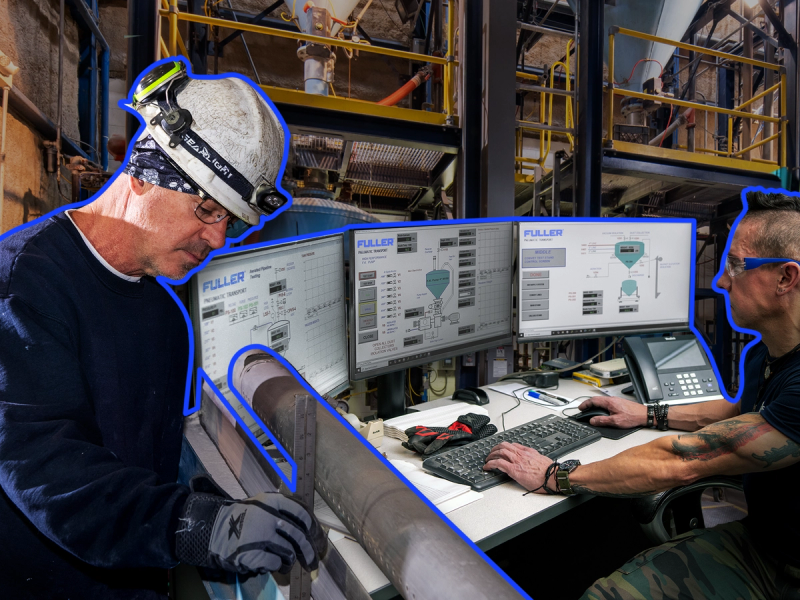
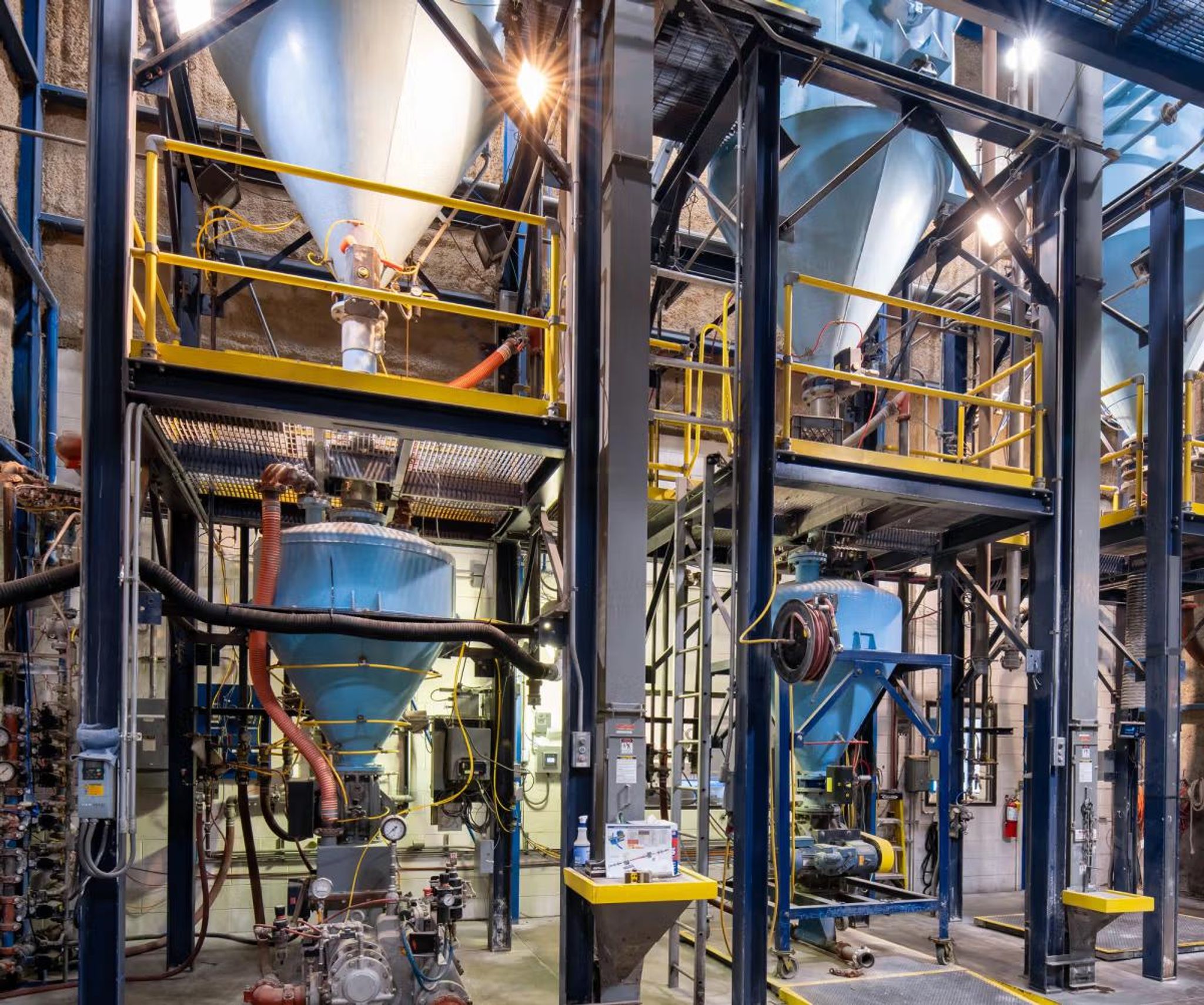
This isn't just a testing lab. It's where Fuller develops and validates all pneumatic conveying equipment. The latest V-Series Feeder and FK N Pump were designed here. The ATEX certifications were conducted here. Every upgrade we make is rooted in testing at this facility.
Optimised Process Design
Armed with real-life materials data, we can optimise the design of your pneumatic transport system to maximise performance, minimise wear, and prioritise uptime.
Data-Driven Troubleshooting
If you’re experiencing unexpected wear, reduced performance or blockages in your system, send your materials to us for testing. We can analyse material flow and assess why you’re not getting the results you want.
Factual Basis for Process Guarantees
We use the facilities at the PT Test Lab to prove the performance of your pneumatic transport system. So, when you choose Fuller for your project, you’re getting process guarantees that are based on real-life testing.

Confidence before you invest

Right-sized equipment from day one

Optimal conveying parameters

Rapid problem diagnosis
Make the right choices in every situation
Different decisions require different data. Whether you’re introducing a new material, troubleshooting performance, or planning a new installation, testing clarifies what will work. We measure how your material flows, what it takes to keep it moving, how it responds to environmental changes, and what impact it will have on equipment - so you can choose operating parameters, wear protection, and system design with confidence.

Whatever the situation... we tested it.
New materials
Introducing new materials to an existing installation? We can test their performance and identify the optimal operating parameters - or flag modifications your system may need.
Troubleshooting
Experiencing blockages, underperformance, or unexpected wear? We physically convey your material to pinpoint the cause and recommend targeted adjustments - whether that's operating parameters, equipment settings, or wear protection.
New installation
Planning a new pneumatic conveying system? We test your actual material to generate the data needed for accurate equipment sizing, layout design, and - where required - process guarantees.
Alternative materials (AF / SCM validation)
Validating alternative fuels or supplementary cementitious materials like calcined clay or fly ash? We test their conveying and blending behaviour to confirm compatibility with your process before you commit.
Additional Services Available
Witness testing
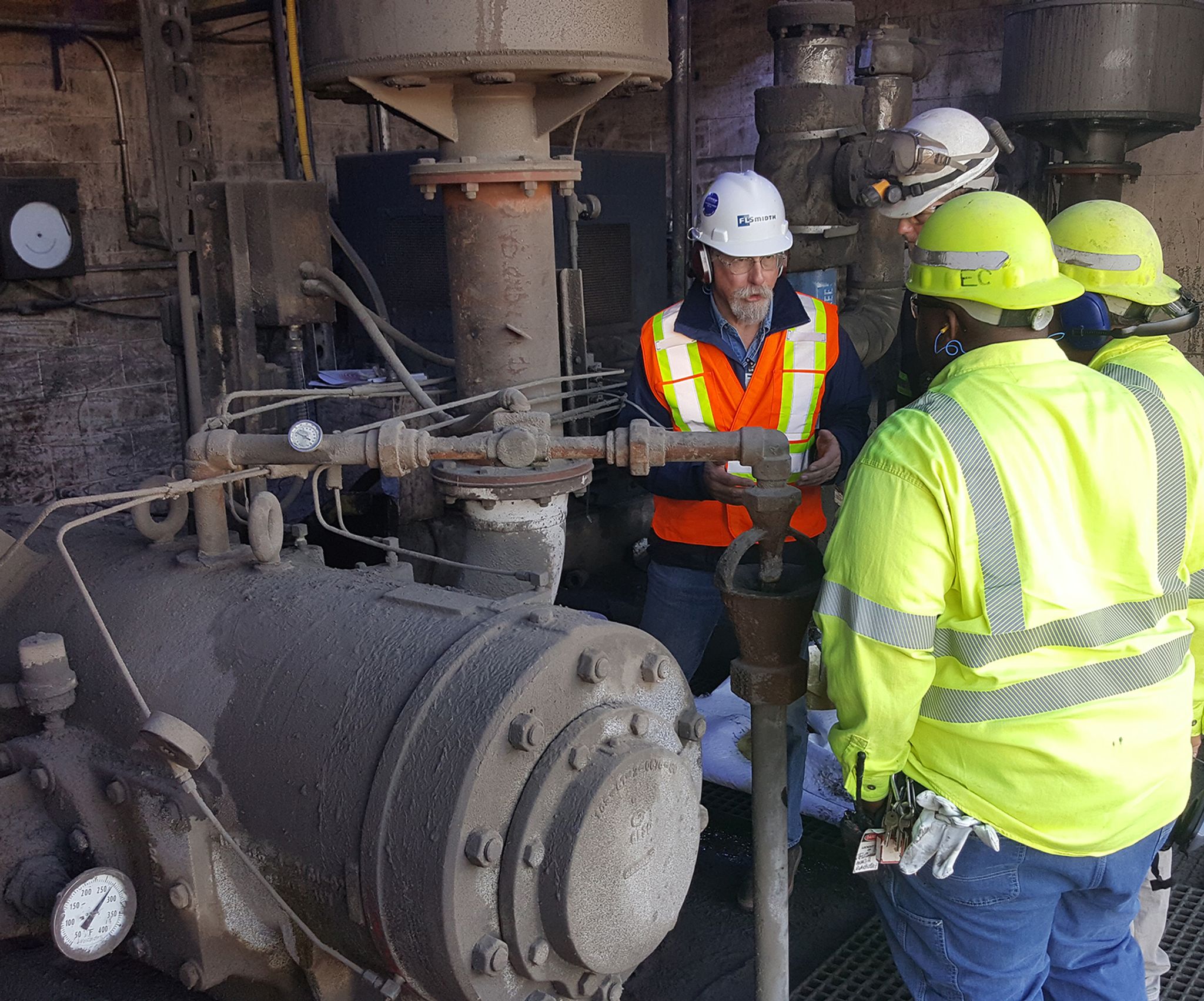
Observe your material testing in person at our Pennsylvania facility. See how your material behaves firsthand and discuss results directly with our engineers.
On-Site Trials
Christopher Toomey, Global Product Manager
Ready to Take the Guesswork Out of Pneumatic Conveying?
Whether you're designing a new system, troubleshooting existing problems, or validating alternative materials for sustainable production, we're here to help. For over 35 years, our test facility has been quietly helping the global dry bulk handling market succeed with materials handling projects - large and small.
Test before you invest. It's that simple.
Comprehensive Testing for Every Stage
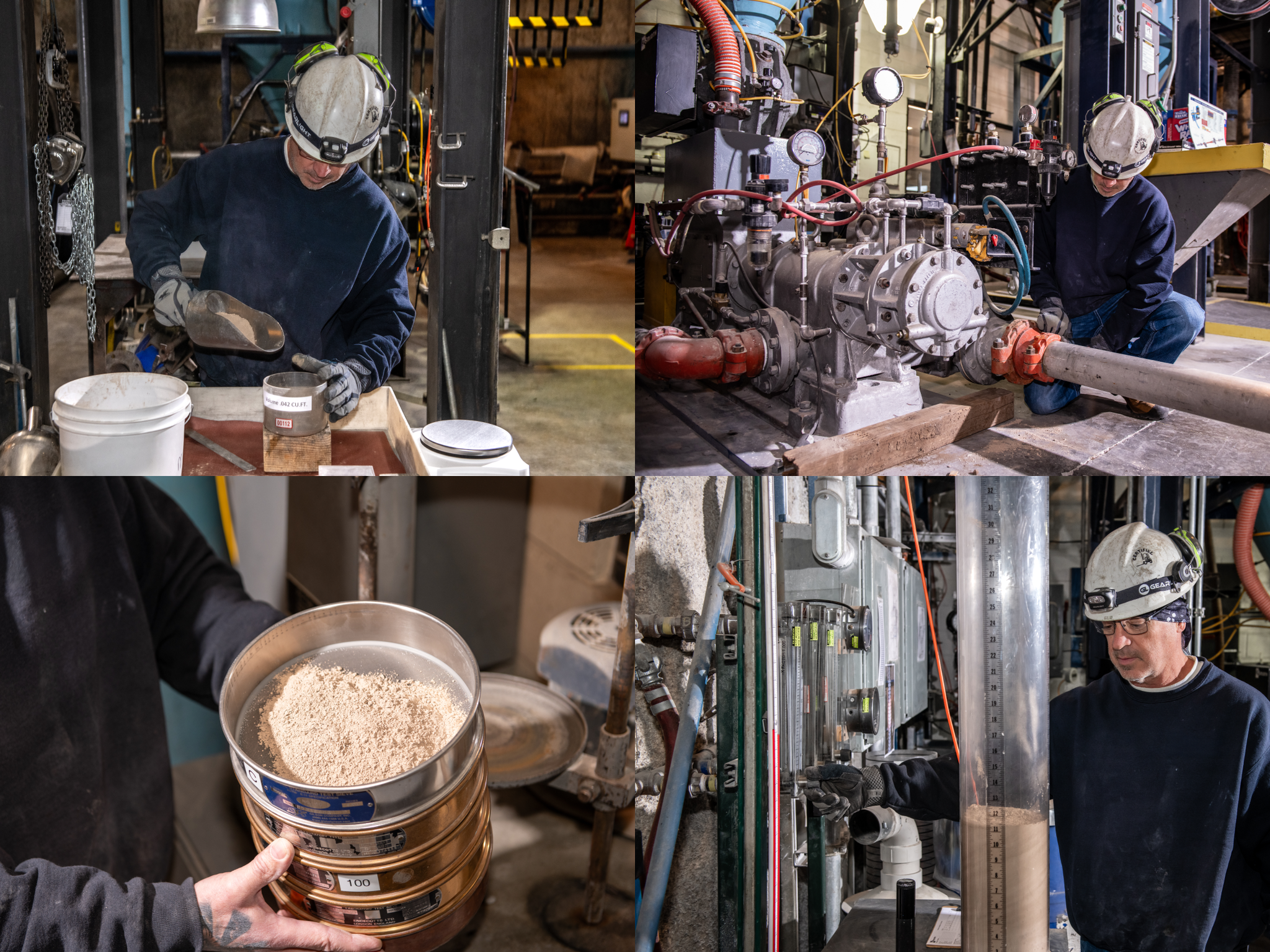
Across 10,000 ft² (930 m²) of dedicated test facilities, we offer a full range of physical, process, and special tests to characterise your material and predict system performance.
Physical Tests
Establishes the baseline characteristics that determine how your material will behave - bulk density, particle size, moisture sensitivity, fluidisation, and more.
- Bulk density
- Angles of rupture
- Screening
- Moisture
- Laser sizing
- Spec gravity
- Fluidization and SG
- Permeability
- Chem-com oxides
- Blaine
- Packset
Testing is tailored to meet our customers needs – from dense phase to dilute phase and everything in between.
Process Tests
Process tests simulate conveying equipment performance and determine critical operating parameters for your material.
- Airveyor™ - HP60 Rotary Valve
- Airmerge™
- Column blender
- Fuller-Kinyon® pump
- Airslide® gravity conveying
- Airslide® car
- Pick-up velocity
- Min convey velocity
Special tests
Evaluates material integrity and system flexibility under varying conditions.
- Degradation/Segregation
- Rate Turndown
Your Comprehensive Materials Analysis Report
Testing isn't just about running material through equipment. It's about understanding behavior and providing actionable recommendations. Here's exactly what you receive after testing - the information that enables confident decision-making. And you are always able to witness the testing for yourself.
Material Characterisation Summary
- Physical properties: bulk density, particle size distribution, moisture content
- Flow characteristics: angles of rupture, fluidization behavior, permeability
- Chemical composition relevant to conveying (when applicable)
Conveying Behavior Analysis
- How the material flows under different conditions
- What it takes to keep it moving (velocities, pressures, air requirements)
- How it responds to changes in environment (temperature, humidity, distance)
- Pick-up and minimum conveying velocities for your specific material
Equipment Impact Assessment
- Where potential wear will occur in your system
- What kind of wear to expect (abrasive, erosive, impact)
- How you can prevent or mitigate wear
- Expected component life under operating conditions
Complete Material Understanding from Raw Material to Final Handling
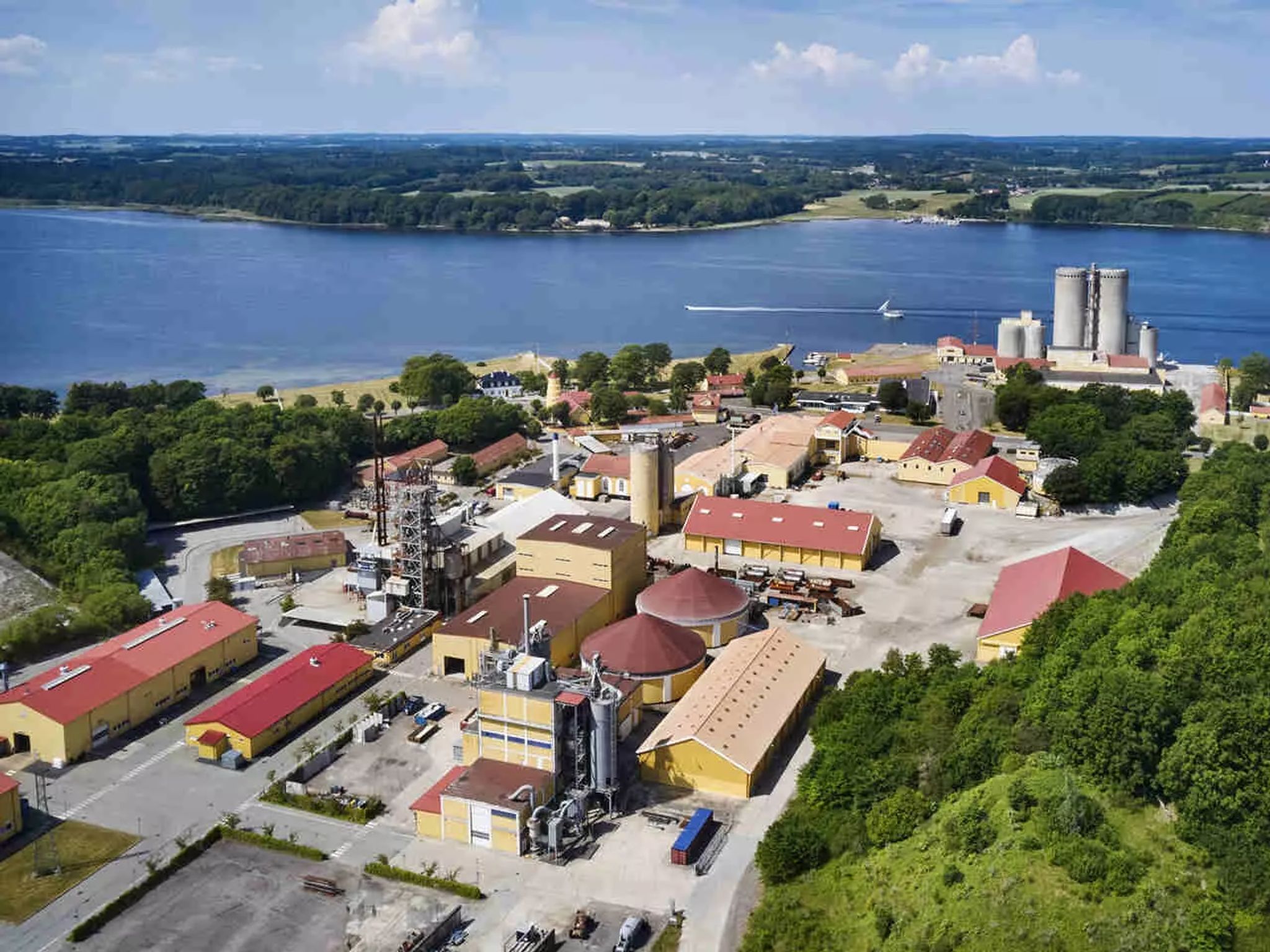
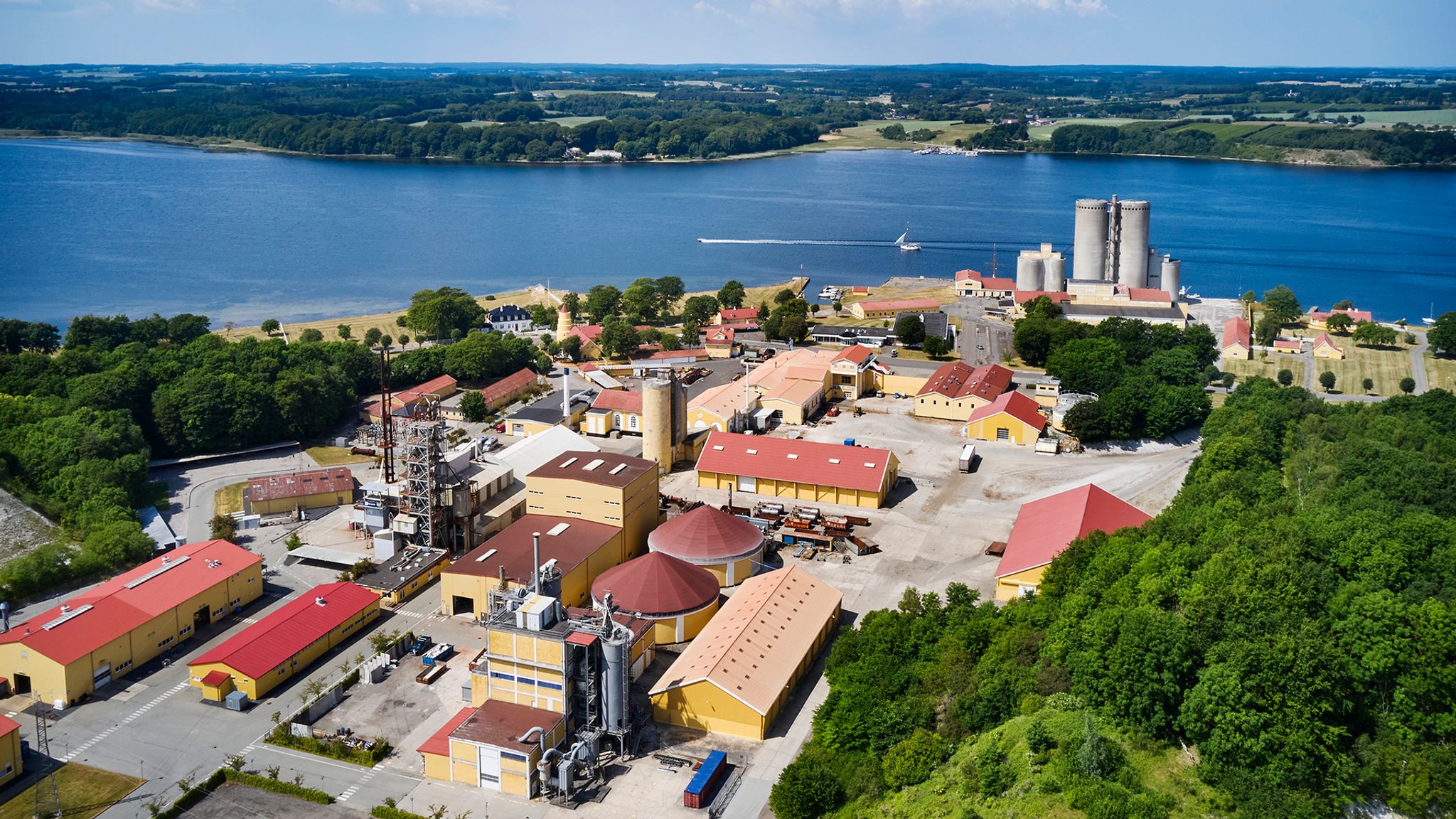
Our R&D centre in Dania, Denmark tests and analyses thousands of tonnes of raw materials each year. This facility specialises in predicting material behaviours when processed in applications such as cement production. Capabilities include R3 testing, XRF/XRD thermal analysis, calcining and emissions analysis, and pilot-scale pyroprocessing.

The Fuller Difference
Continuous Innovation Program
> Conveyor trials continuously executed on the test plant > 1,000+ different materials tested to date > Ongoing testing to ensure equipment suits evolving industry needs
Product Development Hub
> Latest generation V-Series Feeder designed in this facility > FK N Pump developed and validated here > ATEX certification testing conducted on-site > Every pneumatic transport equipment upgrade rooted in testing at this laboratory
Academic Partnerships for Excellence
> Collaboration with universities and technical colleges > Ensures calculation models and trials are of the utmost quality > Cutting-edge research methodologies applied
Unparalleled Knowledge Base
> Decades of extensive cataloging of physical and chemical evaluations > Critical design data supplies unmatched knowledge base for future designs > Comprehensive in-house capabilities differentiate Fuller in the industry
Christopher Toomey, Global Product Manager
Supporting the Cement Industry's Transition to Sustainable Production
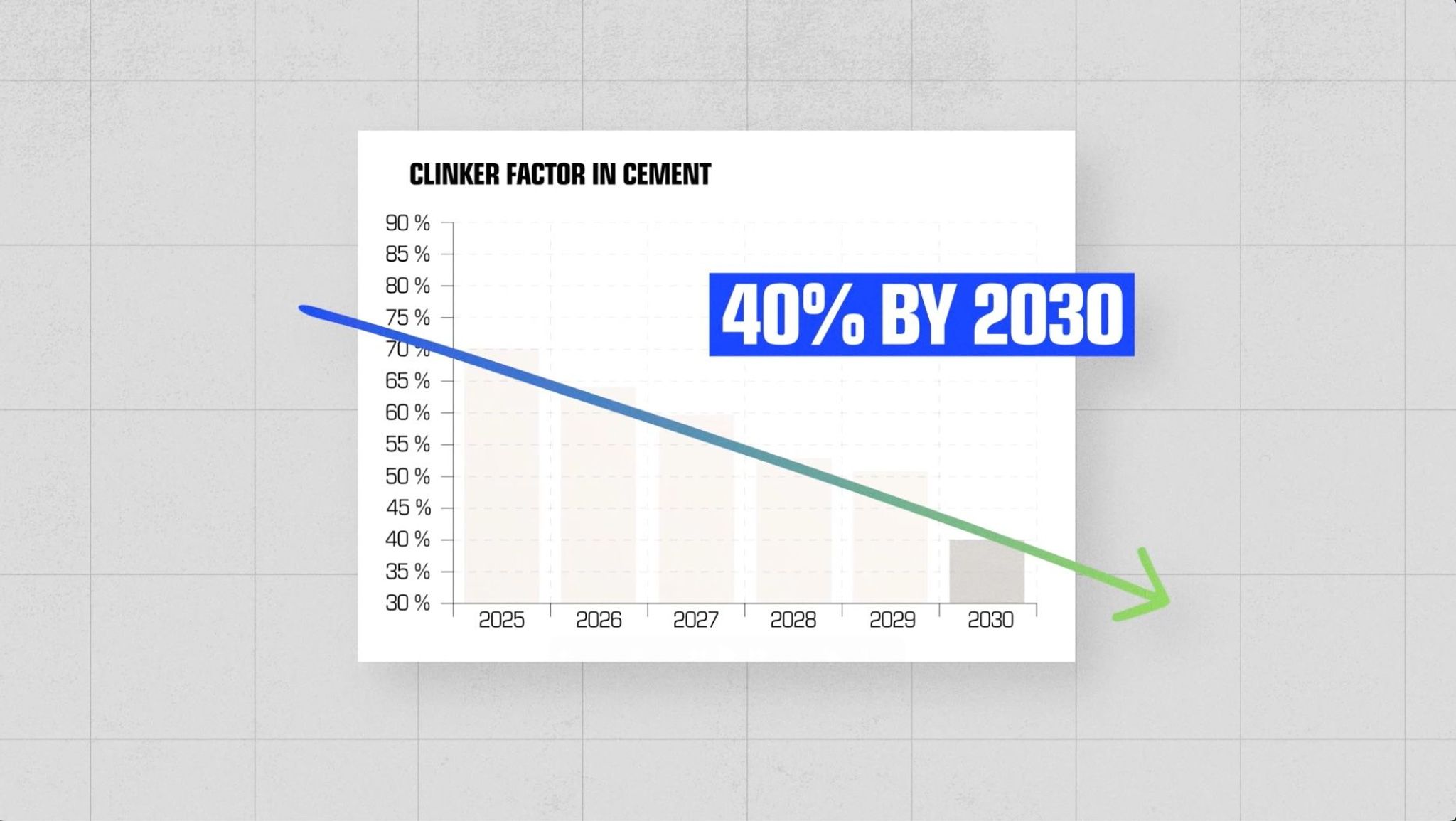
The cement industry is undergoing its most significant transformation in decades. Alternative fuels are replacing up to 60-90% of conventional fossil fuels in modern kilns. Supplementary cementitious materials (SCMs) are being integrated to reduce clinker factor and carbon emissions. These materials enable decarbonisation - but they behave completely differently than traditional cement and coal.
Before you commit to sustainability transitions that could disrupt operations, test with confidence. Validate alternative materials before they enter your process.

New Materials. New Challenges. Greener Cement.
Alternative Fuels
As cement plants transition to refuse-derived fuels, biomass, and other alternative energy sources, material handling becomes more complex. These fuels vary significantly in density, moisture content, and abrasiveness compared to traditional coal. RDF can contain plastics, fibres, and heterogeneous particles that behave unpredictably in pneumatic systems. Biomass presents its own challenges with fibrous materials that can bridge and compact. Our lab tests alternative fuel samples to determine optimal conveying parameters, identify potential wear points, and validate system designs before you commit capital to your fuel transition project.
SCMs
Calcined clay, fly ash, slag, and natural pozzolans are transforming cement formulations to reduce clinker factor and CO2 emissions. But these supplementary cementitious materials behave differently than traditional cement - they may be more abrasive, have different fluidisation characteristics, or require adjusted conveying velocities. Clay particles in particular can be sticky and cohesive, creating transport challenges. Our lab tests SCMs alongside your existing materials to ensure your pneumatic systems can handle blended formulations without bottlenecks, wear issues, or product contamination.
Downloads
Brochures
Bulk material testing
The Fuller Pneumatic Transport Test Laboratory (PT Test Lab) in Pennsylvania, USA, serves the global dry bulk handling market with unique facilities and capabilities that empower you with the information you need to succeed with your materials handling projects.
06.01.2026 |
537.51 KB |
English
PDF
Related Offerings