Article
Pyroprocessing
Creating value from waste
The CircFuel research project is investigating whether a usable fuel oil can be produced from RDF as a product of the Fuller FUELFLEX® Pyrolyzer.
Decarbonizing hard-to-abate sectors
As global climate goals drive industrial decarbonisation efforts, some sectors pose a more significant challenge than others. These hard-to-abate sectors traditionally include cement production, although several technologies exist to reduce the industry’s carbon footprint, including using alternative refuse-derived solid fuels to replace fossil fuels like coal and petcoke. The marine sector is another industry considered hard to abate, relying primarily on petroleum-based liquid fuels. The CircFuel project offers a carbon abatement pathway to both sectors.
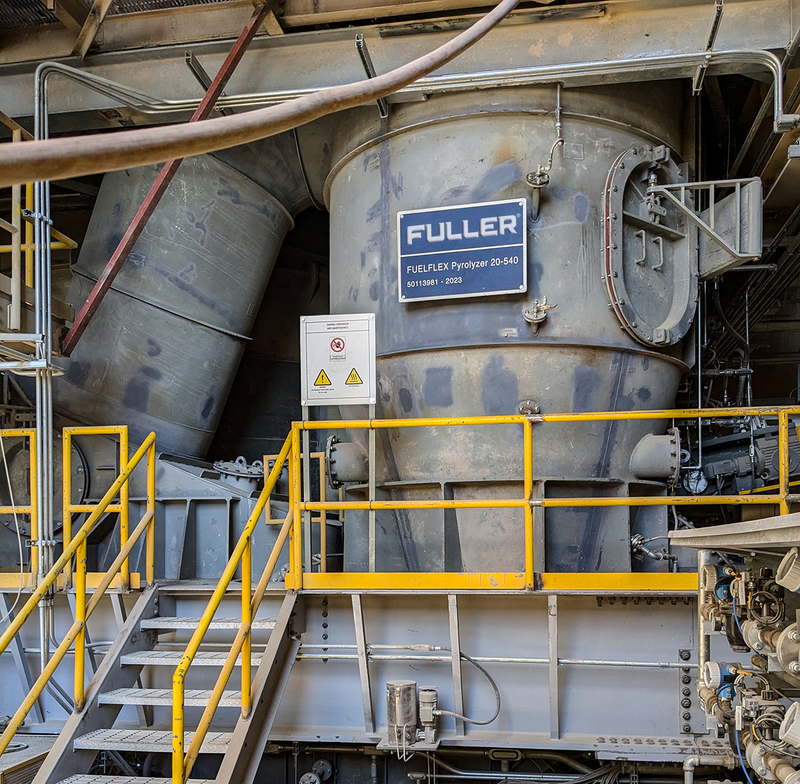
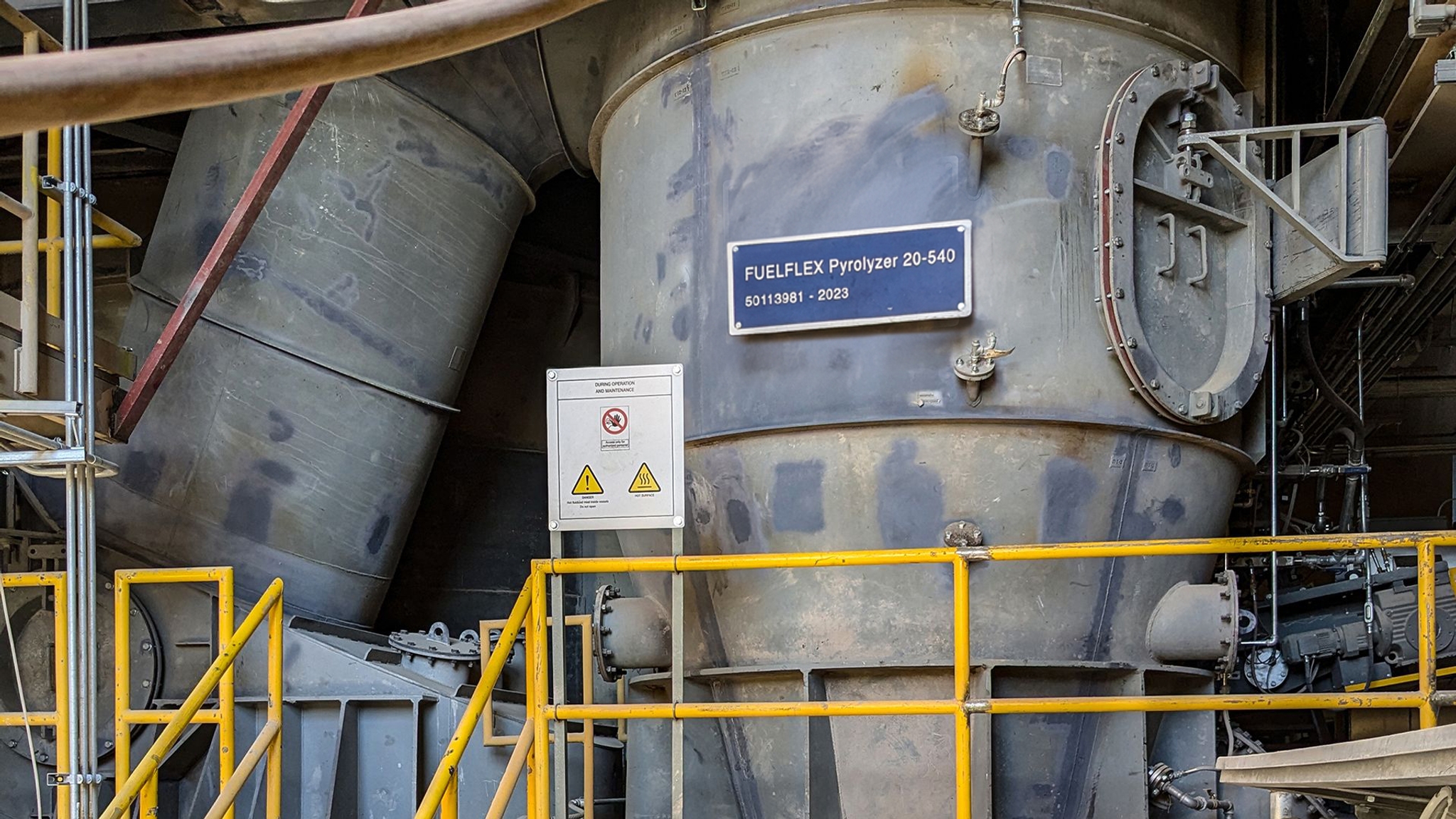
Fuller’s FUELFLEX Pyrolyzer lies at the heart of the CircFuel project’s ambition. The technology allows cement plants to replace calciner fuel with alternative refuse-derived solid fuels, delivering an efficient, low-carbon process heat supply while ensuring complete fuel combustion and high NOx control. The first commercial FUELFLEX installation is successfully operating at Mannok Cement, Ireland.
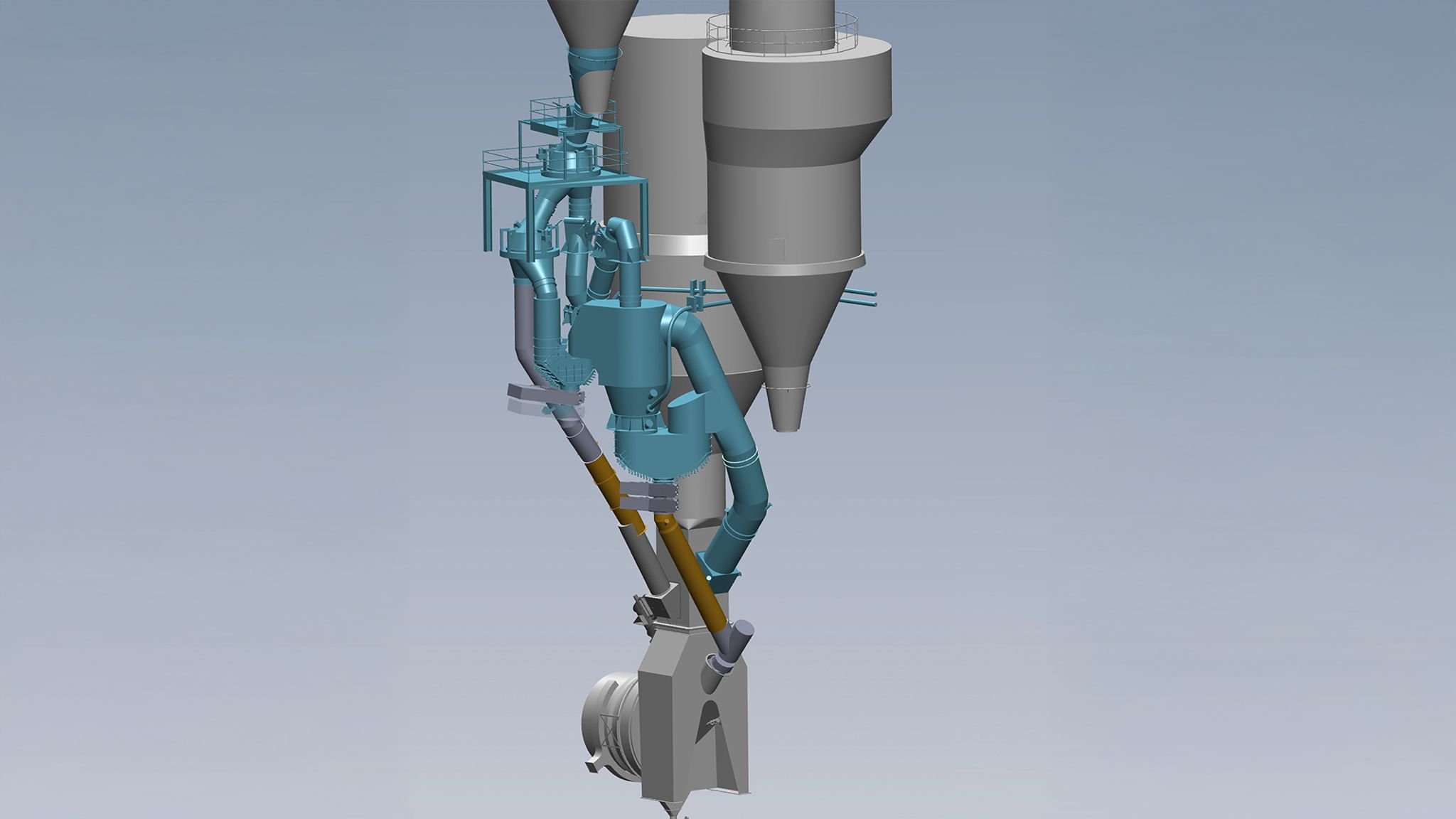
The FUELFLEX technology uses pyrolysis process to convert solid waste into gas, liquid, and coke residue. In conventional FUELFLEX operation, these are combusted to generate heat for cement production. The CircFuel project modifies this process by extracting the pyrolysis liquid for use as a liquid fuel. Subsequent project stages will investigate various technologies for upgrading the fuel properties. Three uses of the pyrolysis liquid will also be considered, including direct use in the cement plant’s main kiln, as a marine fuel, and as a refinery feedstock.
Key benefits for cement producers
The CircFuel process offers several potential benefits to cement producers. It may provide a route for reducing fossil fuel consumption in the main kiln – overcoming traditional hurdles to alternative fuel use here. In addition, pyrolysis oil production and sale might offer cement plants an alternative revenue stream while supporting the decarbonisation of other hard-to-abate sectors.
The most carbon benefit will likely be gained when the CircFuel process diverts waste from landfills. This avoids methane emissions and helps manage the global swelling of municipal waste production in many parts of the world.
Project timeline
START
01.Apr.2021
END
31.Mar.2027
Partners
DTU
Finnsementti

Geminor

Everllence
Norden

Topsøe
Fuller Technologies
Get in touch
For more information about the project, you can get in touch with us via the contact methods on the right.

Kiranmai Sanagavarapu
Fossil fuels are expensive and a significant contributor to the cement industry’s damaging environmental impact. We know we need to use less, but so often process issues get in the way of greater fuel substitution. The FUELFLEX® Pyrolyzer addresses those issues, clearing the path for 100% alternative fuel use in the calciner.
05.12.2025 |
1.33 MB |
English