article
A First for Europe
Rasmus Franklin Momme - Global Chief Process Engineer, Morten Østergaard - Project Director, and Steven Miller - Global Product Manager, Fuller Technologies, describe the first-of-a-kind installation of the company’s calcined clay technology at Vicat's Xeuilley cement plant in France. This article first appeared in the April 2026 issue of World Cement.
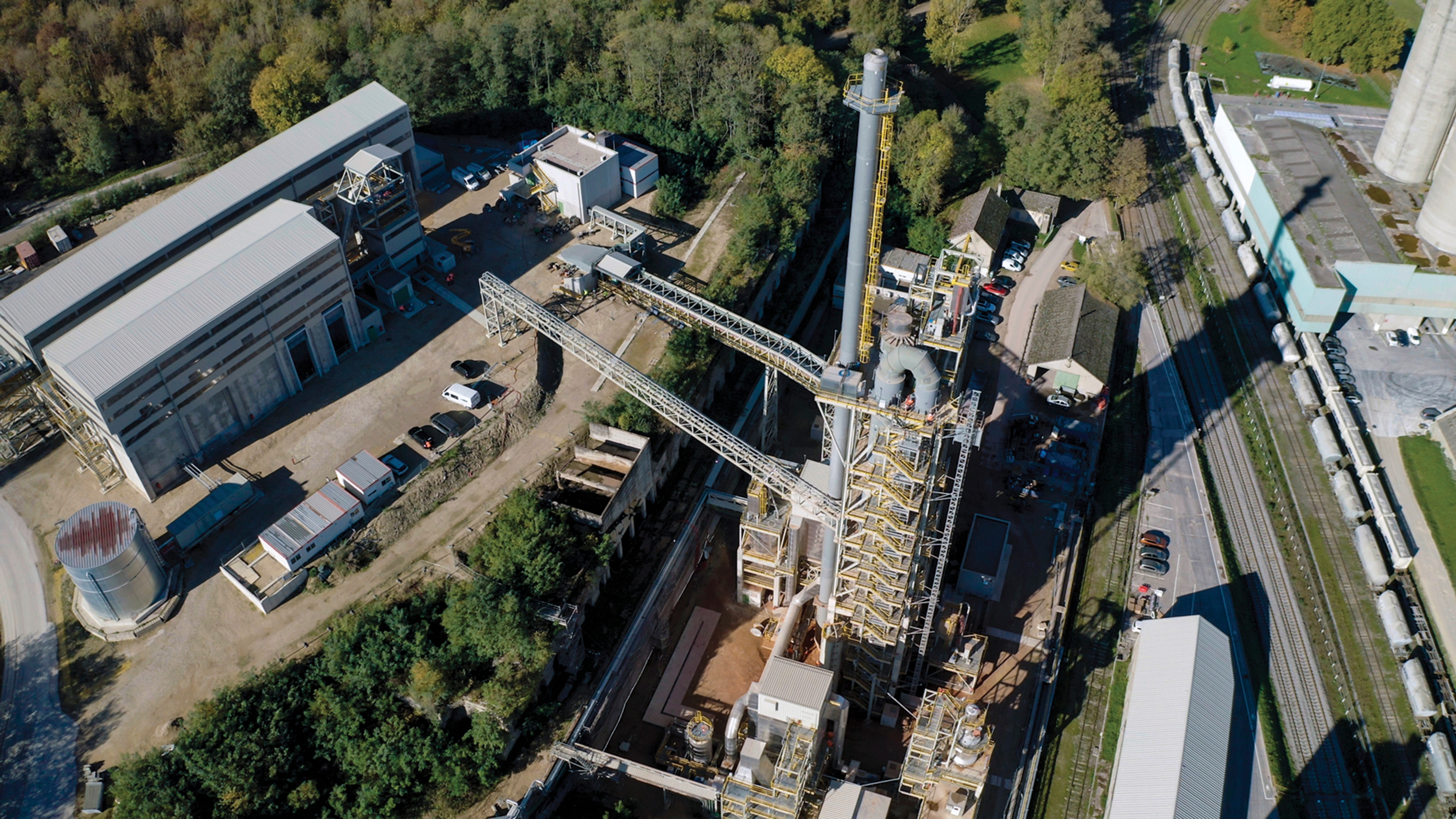
As the global cement industry accelerates its decarbonization journey, calcined clay has emerged as one of the most promising supplementary cementitious materials (SCMs) for reducing carbon emissions. The technology enables significant clinker substitution without compromising strength development or durability, offering a pathway to lower-carbon cement that works within existing production infrastructure.
Vicat's decision to install Europe's first full-scale commercial flash calciner for calcined clay at its Xeuilley plant in eastern France marks a defining moment for the technology. Operating since 1853, the family-run company has its eyes firmly on the future, committing to reducing its net CO2 emissions per tonne of cement by 25% by 2030 from a 2015 baseline at the Group level, and ambitioning to achieving carbon neutrality across its full value chain by 2050. Calcined clay is a key part of VICAT roadmap: on a kg CO2/ton basis, the clay calcination process emits just 10% of the CO2 emissions compared to the production of grey clinker.
The building materials market is also changing, with France promoting the use of lower-carbon construction materials through its RE2020 building regulation. Coming into effect in 2022, the regulation aims to increase the use of lower-carbon materials and deliver a decarbonized construction industry by limiting embedded carbon emissions in new buildings.
Calcined clay at Xeuilley
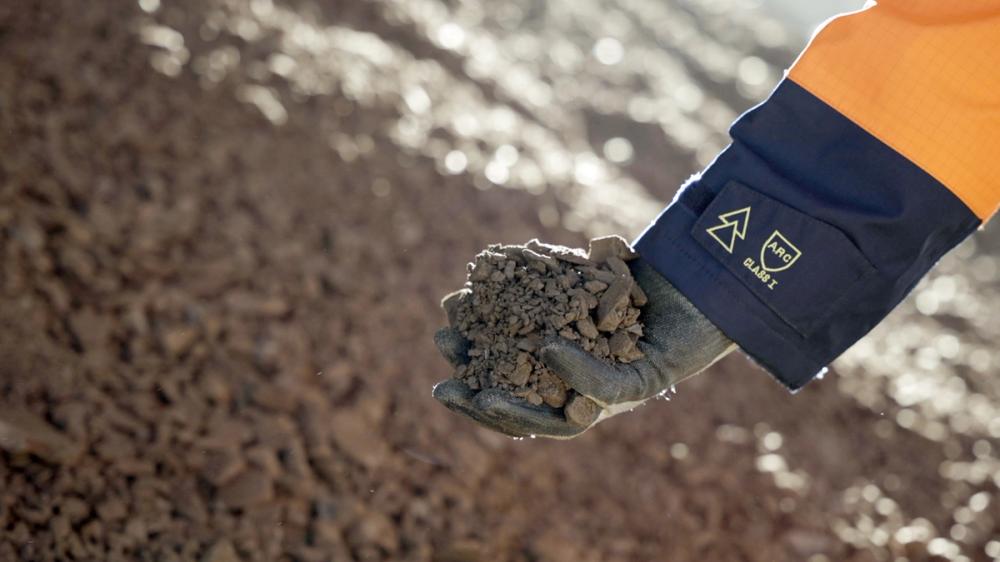
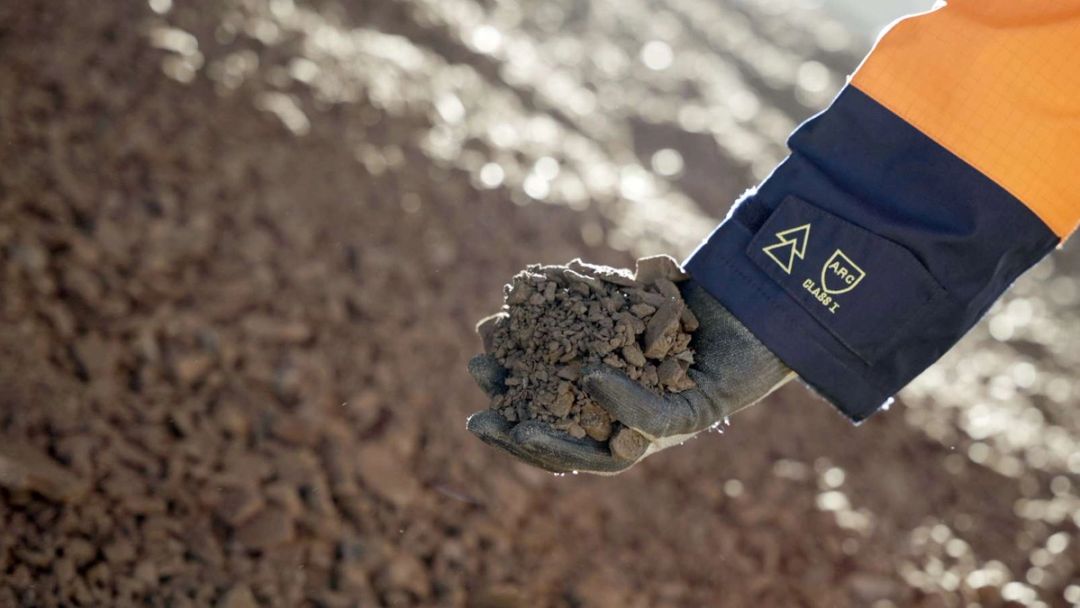
Unlike the kaolinitic clays typically used in calcined clay applications, the raw material at Xeuilley also contains higher quantities of smectitic clays with notably high iron content. Smectitic clays are generally more difficult to activate than kaolinitic clays, requiring precise process control to achieve adequate activation and avoid sintering. Meanwhile, the elevated iron levels require sophisticated color control to prevent an unwelcome red coloration of the product.
Extensive pilot-scale testing using Xeuilley clay was conducted at Fuller’s Dania laboratory in Denmark, confirming the company’s technology could deliver the required reactivity and color control and comply with French emission regulation by applying proper abatement design. This testing phase proved critical in demonstrating technical feasibility before committing to full-scale implementation.
Several design features of the Fuller calcination system were integral in giving Vicat confidence to proceed with the project:
Color control.
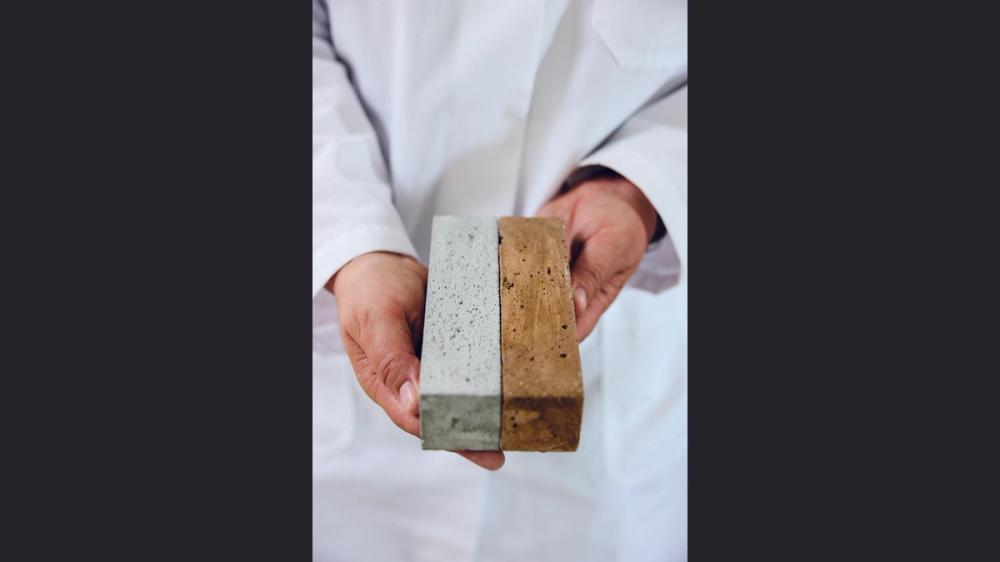
One of the most significant commercial challenges in calcined clay production is managing the natural reddish hue that results from iron oxidation to hematite during thermal activation. This was particularly challenging at Xeuilley due to the clay raw material's high iron content. However, for cement producers and their customers, achieving a consistent color that matches traditional Portland cement is essential for market acceptance. Fuller's patented Greymax™ process and oxidizing flash-cooling stage address these concerns, providing the means to delivers permanent, reliable color control, ensuring a homogeneous cement appearance regardless of variations in iron content within the raw clay deposit.
Heat recuperation.
Fuller's patented atmospheric air-quench cooling process maximizes heat recovery by using the calcined clay flash cooling stage to preheat combustion air for the calciner. This approach substantially reduces fuel consumption and process emissions without compromising color control or incurring the energy losses associated with water-quenching systems. The system's efficiency is further enhanced by utilizing hot waste gases from the preheater to dry incoming raw clay in the dryer-crusher. This integrated heat management enables the installation to process clays with moisture contents up to 25% as standard—or up to 40% with additional engineering modifications—while maintaining optimal thermal efficiency throughout the production process.
Alternative fuels.
A critical requirement for Vicat was the ability to use refuse-derived fuels alongside fossil fuels in the calciner to further reduce carbon emissions. The system was thus designed to offer significant fuel flexibility, accommodating coal, natural gas, and alternative fuels
Emission Controls.
Due to the strict emission limits in France, fuel flexibility, and the chemistry of the clay, emission controls consisting of a scrubber, RTO (regenerative thermal oxidizer) and SCR were incorporated to control SO2, CO, TOC and NOX.
Clearing regulatory hurdles
Despite the long-known published advantages of calcined clay as a supplementary cementitious material (SCMs), its pathway to commercial adoption in Europe has been slowed by the region’s restrictive cement standards. These have traditionally adopted a prescriptive approach to cement recipe design, with limits on the amount and type of SCMs a cement could contain. Although standards are now being adapted to allow alternative blends with lower clinker contents, market adoption is slow as the building materials market remains relatively conservative.
Achieving certification for Vicat’s calcined clay cement in France was thus a significant undertaking and required navigating a rigorous testing and approval process. As part of this, about 600 t of calcined clay were produced for certification, with the approval process taking about 6-8 months.
Conclusion and future outlook
The Xeuilley installation is set to demonstrate that calcined clay production can operate successfully at an industrial scale in the EU. With a capacity to produce 525 tpd calcined clay enabling up to 16% CO₂ reduction at the plant cement dispatch level—equivalent to 48,500 metric tonnes per year—the project establishes a new benchmark for sustainable cement manufacturing in Europe. It demonstrates that Fuller’s technology can successfully navigate the continent's demanding regulatory environment, even when dealing with non-kaolinitic clays, stringent emissions standards, and requirements for integrating alternative fuels.
The collaboration between Vicat and Fuller Technologies proved essential to the project's success. Vicat's commitment to innovation and sustainability was the foundation and impetus to pursue this groundbreaking project, while Fuller's technical expertise and technology enabled it to achieve its ambitious objectives.
Eric Bourdon, Deputy CEO Industrial and Innovation
The Xeuilley project precedes Fuller’s successful flash calcination installation at CBI Ghana, which holds the distinction of being the world's largest clay flash calciner with a capacity exceeding 1200 tpd. Together, these projects establish the company as a leader in industrial-scale calcined clay production, with proven capabilities across diverse geographical, regulatory, and geological contexts.
Looking forward, expectations for calcined clay projects remain strong. As carbon regulations continue to tighten and market demand for lower-carbon cement products grows, calcined clay technology offers cement producers a viable pathway to reduce emissions while maintaining (or even improving) product performance and reducing operating costs. Success at Xeuilley provides a blueprint for future European installations, demonstrating that technical challenges can be overcome and regulatory requirements can be met. With clay deposits widely available across many cement-producing regions, the potential for further deployment of this technology is substantial.
"The successful startup of our Xeuilley calcined clay plant represents just the beginning of Vicat's journey toward carbon-neutral cement production,” concluded Eric. “We're now evaluating opportunities to deploy calcined clay technology at additional sites within our network. We see significant potential to expand our low-carbon cement portfolio and help our customers meet their own sustainability objectives. Calcined clay will play a central role in achieving our 2030 and 2050 decarbonization targets."
Downloads
A First for Europe
REPRINT from International Cement Review, April 2026. Rasmus Franklin Momme, Morten Østergaard and Steven Miller, Fuller Technologies, explore the first-of-its-kind installation of calcined clay technology at Vicat’s Xeuilley Cement Plant in France.
12.05.2026 |
6.39 MB |
English
Calciner System for Clay Activation
Improve your productivity and reduce CO2 emissions
21.01.2026 |
1.32 MB |
English
Service Agreements for Calcined Clay Plants
Get more from your investment with bespoke expert services; custom packages to best match your plant’s requirements.
21.01.2026 |
442.52 KB |
English
Related Offerings