




11th Feb 2026
webinar
Extending real-time optimization in cement production - presentation by Dinesh Sampath
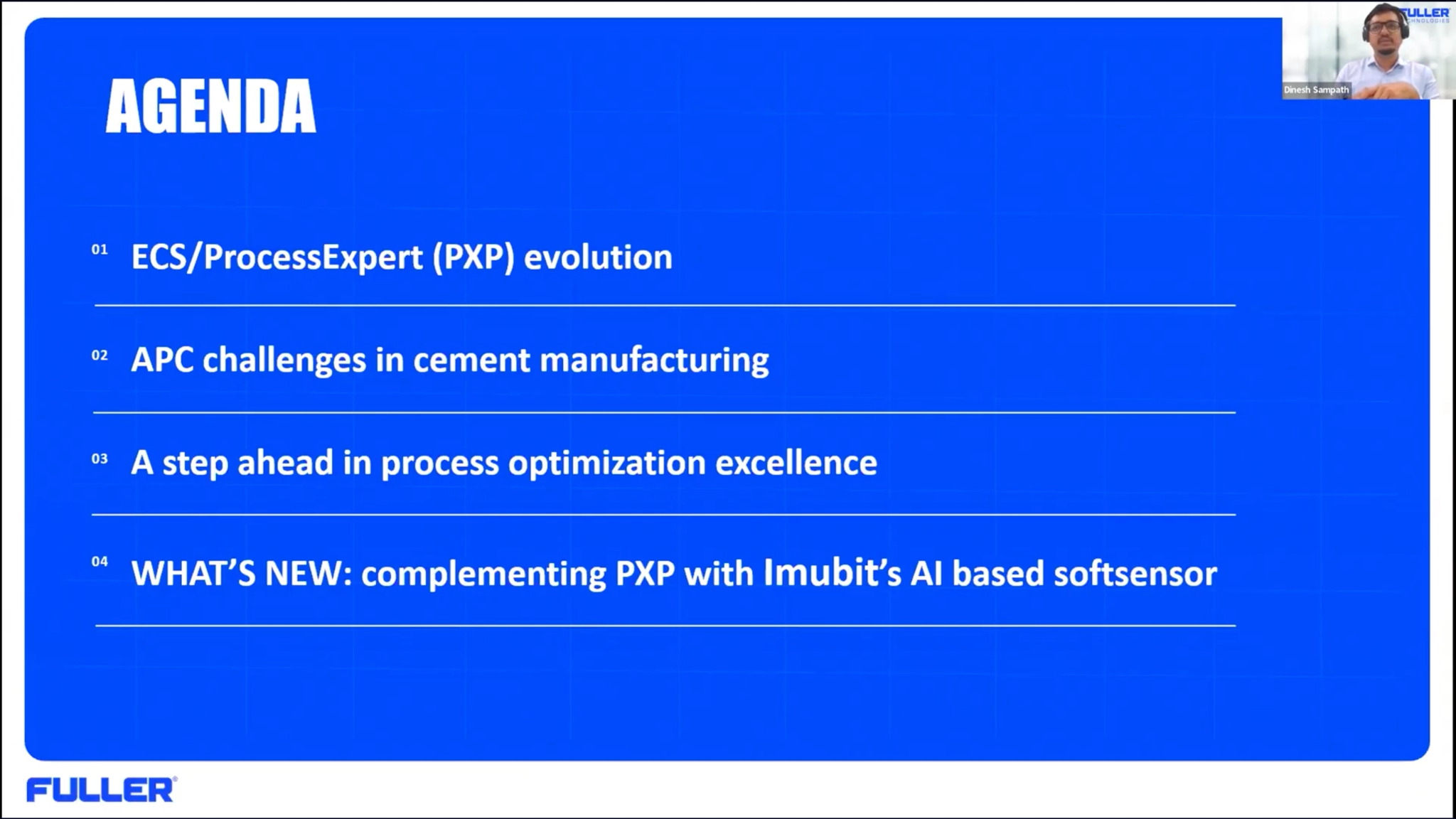
A New Foundation for Process Control
ProcessExpert has been part of cement operations for over 40 years - from its origins as the first fuzzy control system in the cement industry, through model predictive control and industry-specific objects. Version 9.1, released in 2024, marked a fundamental shift: a self-adaptive controller built on rate-predictive control technology.
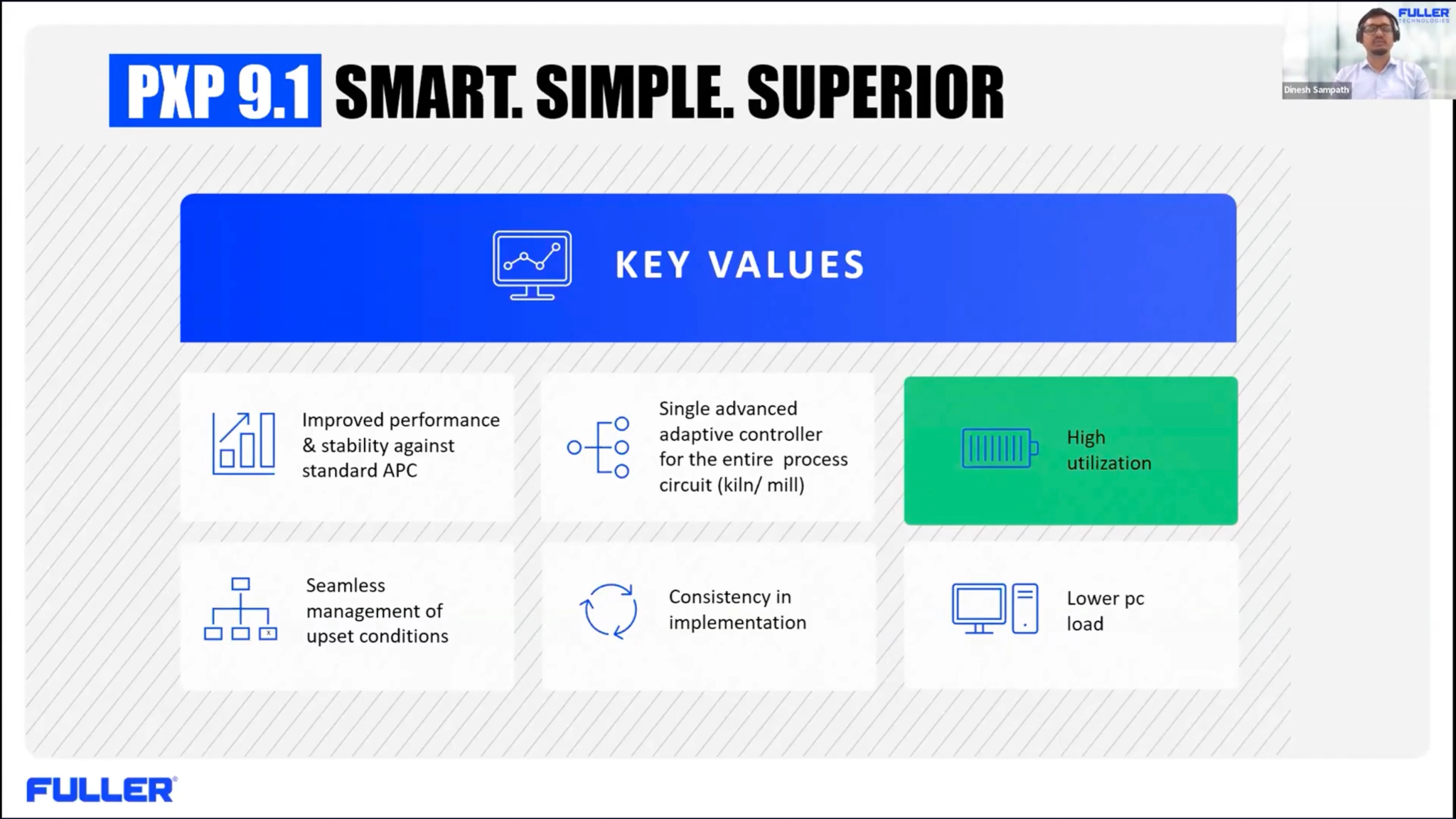
Unlike fixed-model approaches such as MPC, this is model-less multivariable process control. The controller predicts the rate of change of process variables and acts proactively - bringing stability and avoiding overshoot before conditions escalate. It handles the full range of operating conditions without separate tuning for different scenarios - one controller manages the entire process, whether conditions are stable or upset. The practical result is consistently high utilization - the foundation, as Dinesh puts it, for justifying APC performance on plant KPIs.
Featured Expert:
Dinesh Sampath serves as Global Product Manager for Optimization at Fuller, where he sets the product direction and roadmap. With nearly two decades of global experience spanning cement process engineering, advanced process control, and digital transformation, Dinesh has held diverse roles across process design, field services, and APC delivery - combining deep technical expertise with commercial and strategic leadership.
Key insights include:
- How PXP 9.1's self-adaptive controller outperforms fixed-model APC with model-less, rate-predictive control technology
- Why high utilization is the foundation for justifying APC performance on plant KPIs
- Real-world results from global live applications, including case studies from GCC Mexico and Cemex Croatia, a v8.5-to-9.1 upgrade
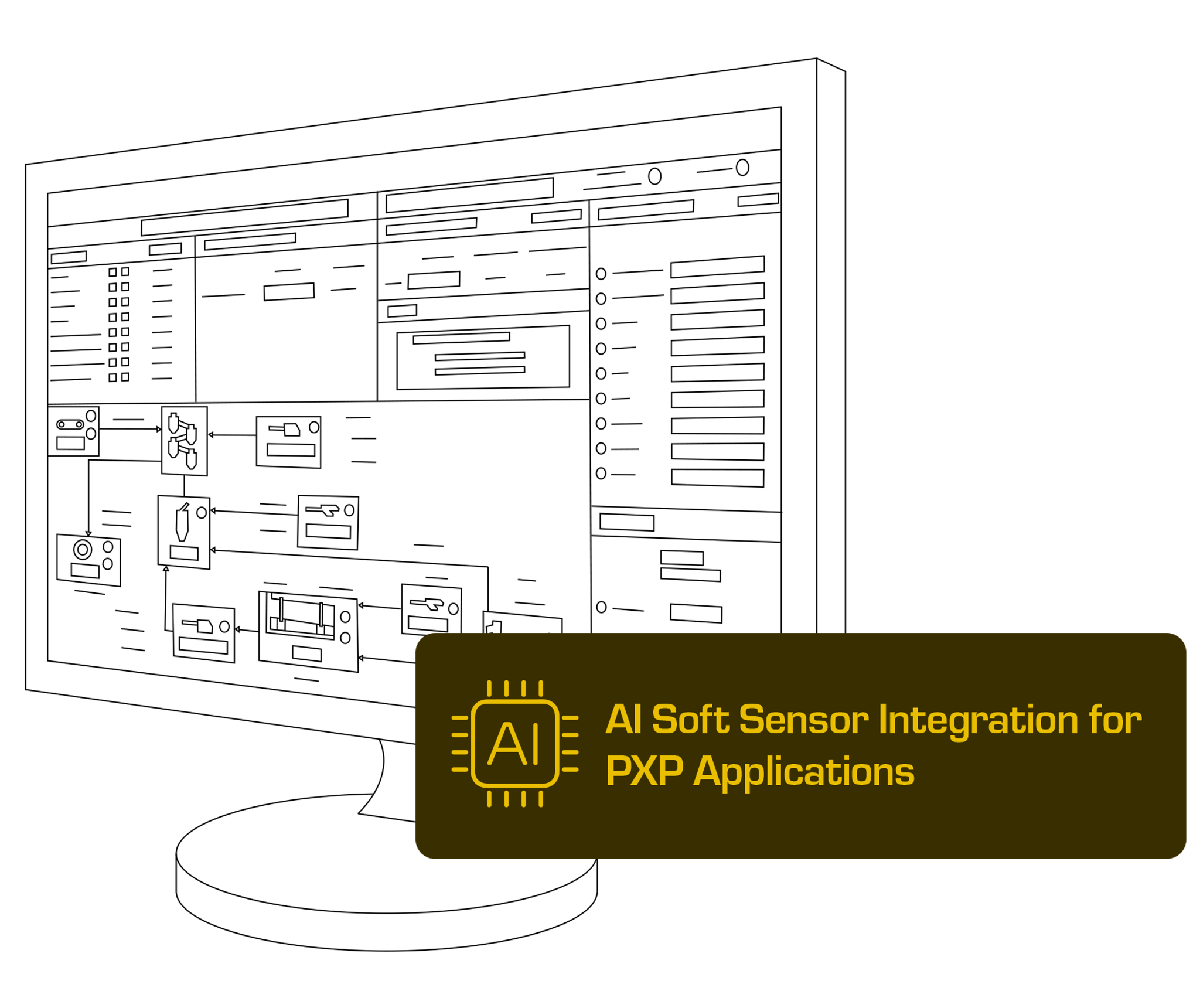
- How AI-based soft sensors deliver high-frequency predictions between lab samples and during sensor outages - giving the controller continuous visibility for more proactive optimization
- Trial results from GCPV Monjos, where target adaptation moved from two-hour to 15-minute intervals
Watch the keynote now to see how the self-adaptive controller is delivering results across global applications - and how AI-based soft sensors are extending optimization beyond current APC limits.


Dinesh Sampath, Global Product Manager, ECS/ProcessExpert


Self-Adaptive Control Meets AI Prediction
A Controller That Adapts, Not One You Tune
PXP 9.1 introduced a self-adaptive controller built on rate-predictive control technology - a model-less approach to multivariable process control. Unlike fixed-model methods such as MPC, it predicts the rate of change of process variables and acts proactively, stabilizing conditions before they escalate. One controller handles the full range of operating conditions without separate tuning, driving consistently high utilization across installations.
Proven Results Across Applications
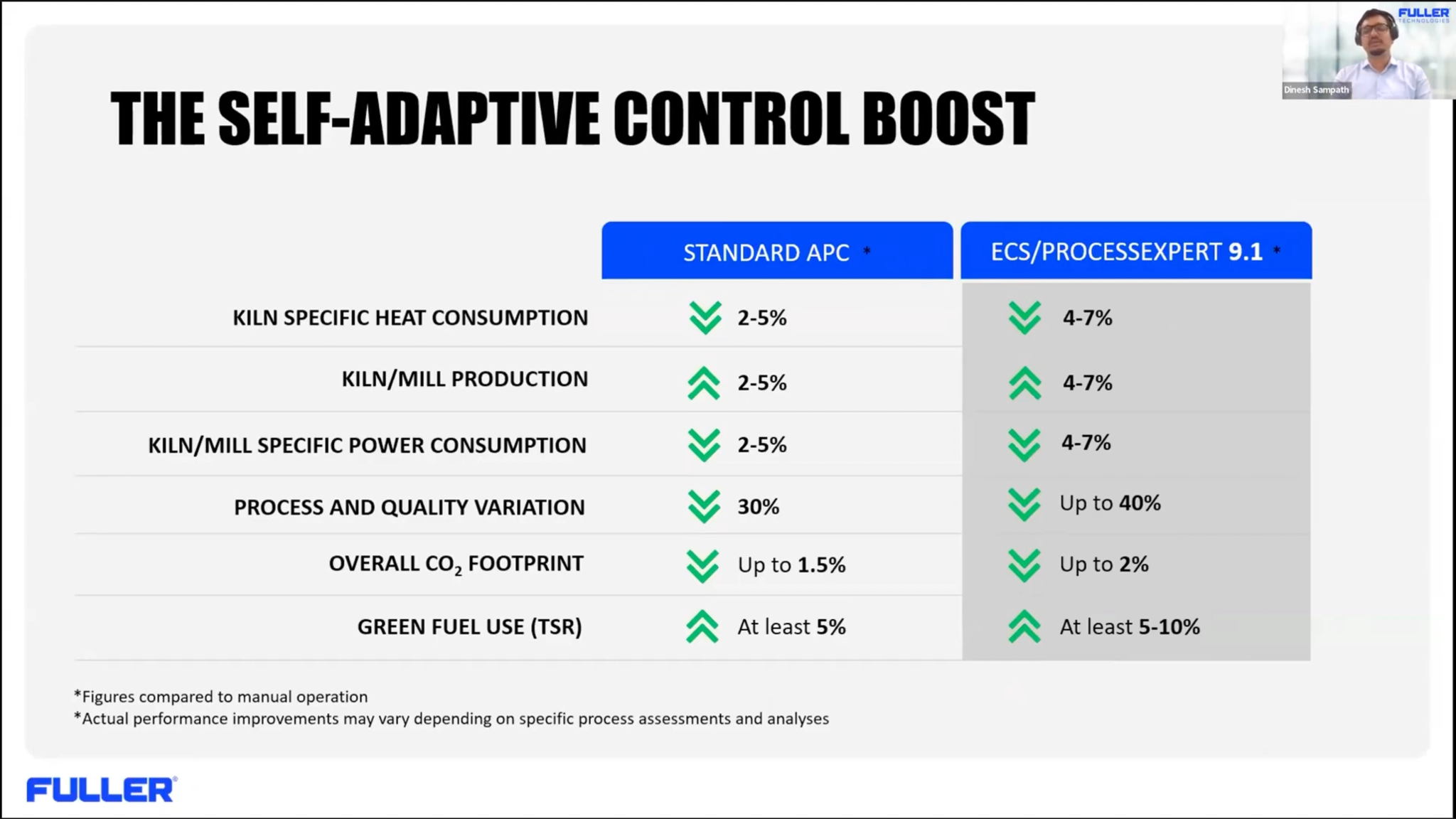
Since launching in July of 2024, more than 40 live installations and 90+ ordered worldwide (as of Feb 2026), PXP 9.1 is proving its value at scale. Where standard APC can typically deliver in the range of 2 to 5 percent improvements, the self-adaptive controller pushes that to 4 to 7 percent. At GCC Mexico, a plant replacing a non-PXP system achieved a 4 to 4.2 percent capacity increase with reduced energy consumption and tighter clinker quality. Across installations, the trend is consistent: the self-adaptive controller outperforms standard model-based APC.
Filling the Blind Spots with AI Soft Sensors
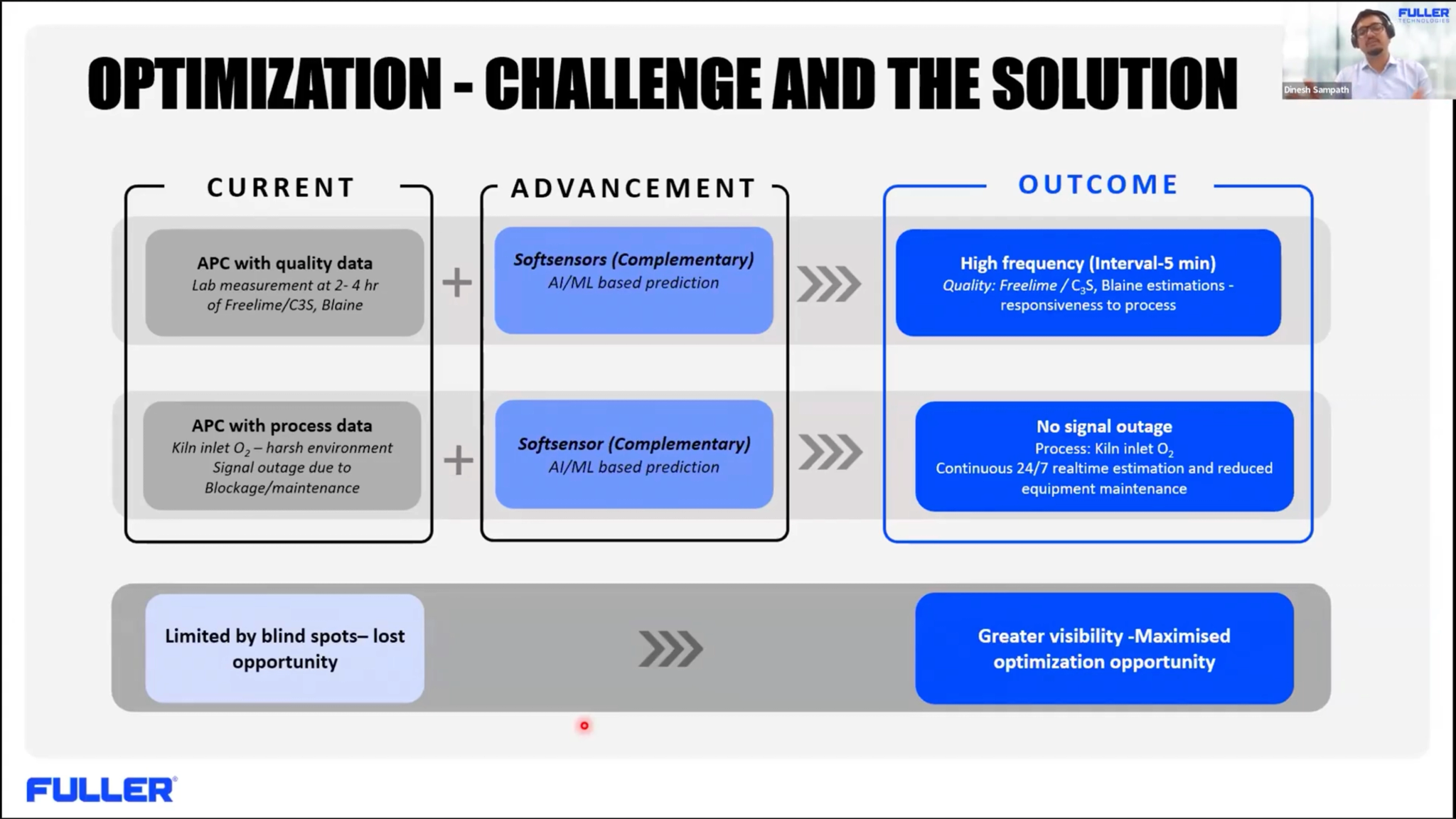
Lab-based quality measurements for free lime, C3S, and Blaine take two to four hours. Kiln inlet oxygen sensors can go offline in harsh conditions. Our partnership with Imubit addresses these gaps with AI-based soft sensors that deliver high-frequency, high-accuracy predictions - giving PXP continuous visibility into the parameters that matter most, even between lab samples and during sensor outages. The soft sensors complement physical instrumentation; they don't replace it. But they help close the blind spots that otherwise force a more reactive control strategy.
From Hours to Minutes: The GCPV Monjos Trial
A trial at GCPV Monjos in Spain integrated Imubit's free lime soft sensor in closed loop with PXP. With high-frequency predictions from the soft sensor, the controller adapted kiln targets far more frequently than the standard lab cycle. The result: reduced off-spec clinker by 25% and improved energy efficiency. Each optimization layer compounds the last - the combined stack of self-adaptive control and AI-based soft sensors delivers measurable gains beyond what either achieves alone.


The Optimization Frontier
Process optimization in cement has always been about extracting more from what you have. What's changing is how frequently and precisely controllers can respond to what's actually happening in the kiln and mill.
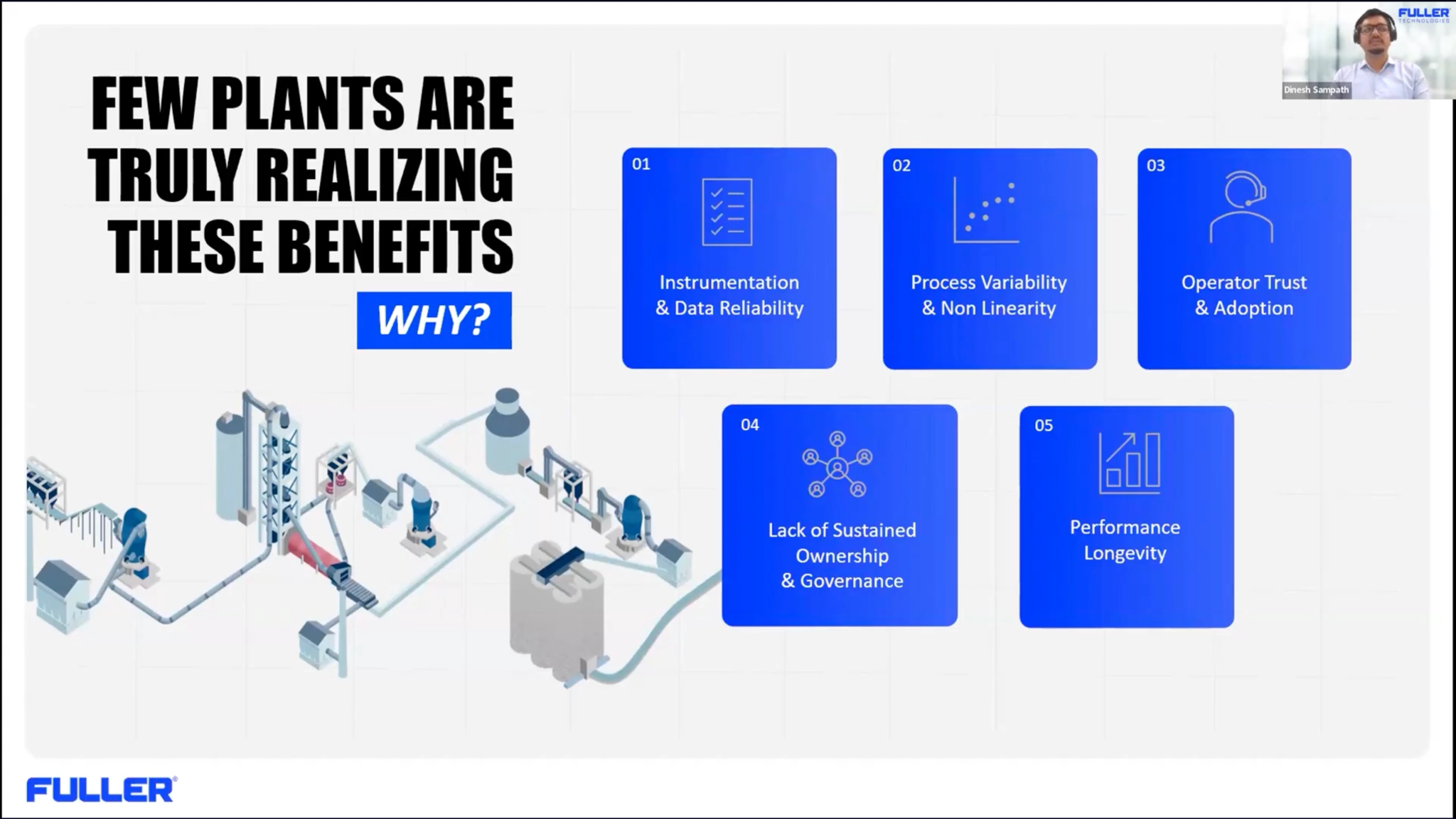
The self-adaptive controller established a strong foundation - robust, high-utilization process control that addresses the core challenges of variability and performance longevity. The partnership with Imubit addresses what comes next: getting critical data to that controller at the right time. Where it once operated with blind spots between lab samples, it now has continuous visibility into the process and can respond to predicted quality changes within minutes.
That is the logic of the optimization stack: each layer builds on the one before it. Decades of deep process knowledge and control expertise meet AI-based predictions to create what Dinesh calls an optimal close-looping - filling the gaps that have always limited what APC could achieve. For plants that commit to high-utilization foundations, the result is a broader opportunity space at every stage of operation.
Dinesh Sampath, Global Product Manager, ECS/ProcessExpert
Q&A from Webinar
Related Offerings